Trump warns Iran will be hit hard next 2–3 weeks
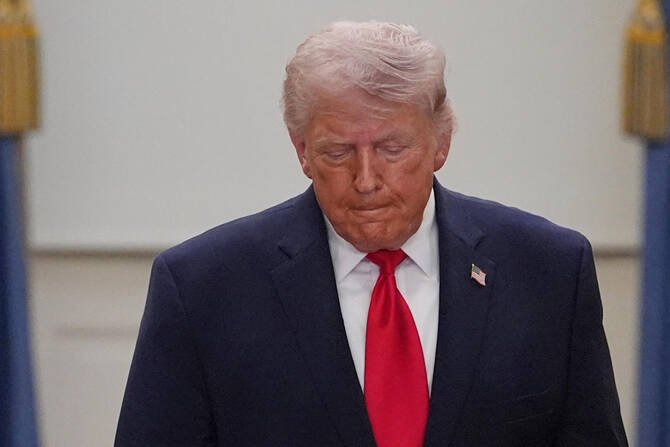
Trump warns Iran will be hit hard next 2–3 weeks amid rising tensions
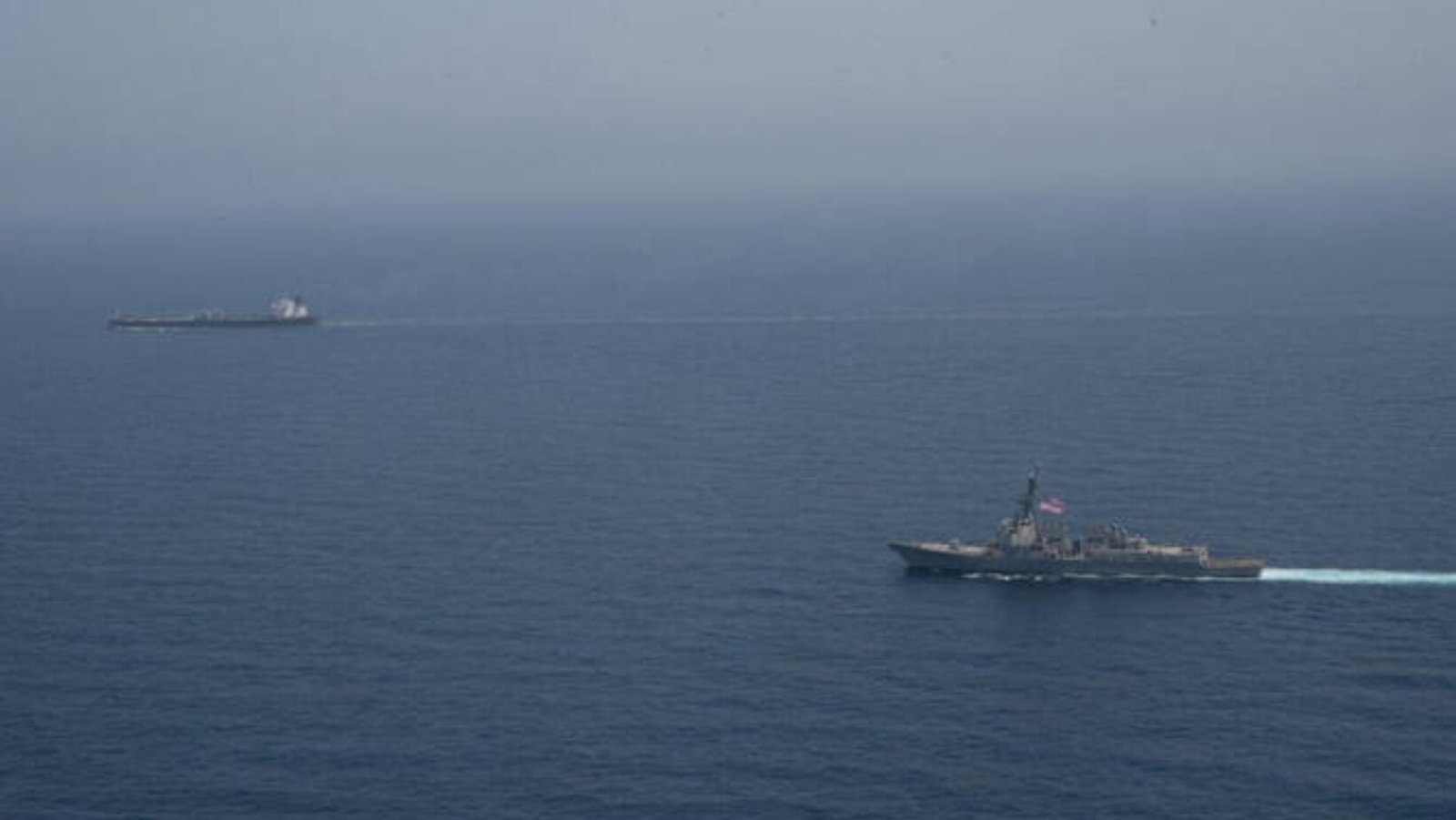
US President Donald Trump has issued a strong warning that Iran will face intensified military action over the next two to three weeks, signaling a continued escalation in the ongoing conflict. Speaking during a recent address, Trump stated that US forces would carry out sustained strikes, emphasizing that operations so far have already met or exceeded expectations.
Trump made it clear that the campaign is far from over, declaring that Iran would continue to face significant military pressure in the coming weeks. His remarks have drawn global attention, particularly as energy markets react sharply and geopolitical concerns grow across multiple regions.
Escalation of military operations
Trump warns Iran will be hit hard next 2–3 weeks as US military operations continue to intensify. According to officials, the strikes are part of a broader strategy aimed at weakening Iran’s military capabilities and limiting its influence in the region.
The president indicated that recent operations have been highly effective, claiming that key targets have already been neutralized. While specific details of ongoing missions were not disclosed, the tone of the statement suggests that further coordinated strikes are imminent. Analysts believe that this sustained approach is intended to pressure Iran into strategic concessions without committing to a prolonged ground conflict.
No clear diplomatic pathway
Trump warns Iran will be hit hard next 2–3 weeks but did not outline any immediate plans for negotiations or de-escalation. Notably, he avoided referencing earlier deadlines or conditions previously set for reopening critical maritime routes.
The absence of a diplomatic roadmap has raised concerns among international observers, who warn that prolonged military action without negotiation could deepen instability. Political experts note that while military pressure can influence outcomes, long-term resolution often requires dialogue and compromise.
Impact on global energy markets
Trump warns Iran will be hit hard next 2–3 weeks, and global markets have reacted quickly to the announcement. Oil prices surged significantly following the statement, reflecting fears of prolonged disruption in supply chains.
Energy analysts highlight that any threat to regional stability, particularly near key shipping routes, can have immediate consequences for global oil and gas distribution. Rising fuel costs are already being felt in several countries, with increases in transportation and production expenses expected to affect consumer prices worldwide.
The ripple effect is not limited to fuel alone. Higher energy costs often lead to increased prices for goods and services, including food and essential commodities, placing additional pressure on economies already dealing with inflation.
Economic and public response
Trump warns Iran will be hit hard next 2–3 weeks, and the economic implications are becoming more visible. Financial markets have shown signs of volatility, with stocks in several regions experiencing declines amid uncertainty.
Public response has been mixed, with some supporting the strong stance while others question the long-term impact of continued military engagement. Concerns about rising fuel prices and broader economic consequences have become a central issue for many households and businesses.
Economists warn that sustained conflict could lead to further disruptions, especially if key trade routes remain unstable. Businesses dependent on transportation and logistics are already adjusting strategies to cope with higher costs and potential delays.
Political reactions and criticism
Trump warns Iran will be hit hard next 2–3 weeks, drawing criticism from political opponents who argue that the strategy lacks clarity. Some lawmakers have expressed concern over the absence of a defined objective or exit plan, suggesting that the approach could lead to prolonged conflict without clear results.
Critics have also pointed out that the administration has not provided sufficient details on how the situation will be resolved or what conditions would signal the end of military operations. This uncertainty has fueled debate over the effectiveness and risks of the current strategy.
Supporters, however, argue that a strong military stance is necessary to deter threats and maintain security interests. They believe that decisive action can prevent further escalation by demonstrating strength and resolve.
Regional and global implications
Trump warns Iran will be hit hard next 2–3 weeks, and the broader implications extend beyond the immediate conflict zone. Neighboring countries are closely monitoring developments, as any escalation could impact regional stability and security.
The situation also affects global trade, particularly in sectors reliant on energy exports. Countries dependent on oil imports are watching price fluctuations carefully, while exporters face uncertainty regarding supply routes and demand patterns.
International organizations have emphasized the importance of avoiding further escalation, urging all parties to consider the long-term consequences of continued military action. The risk of unintended consequences remains a key concern, particularly in a region already facing complex geopolitical challenges.
Future outlook and uncertainty
Trump warns Iran will be hit hard next 2–3 weeks, but questions remain about what comes next. While the administration maintains that its objectives are being achieved, the lack of a clear end strategy continues to create uncertainty.
Experts suggest that the coming weeks will be crucial in determining the direction of the conflict. Continued military pressure may force changes on the ground, but it also carries the risk of retaliation and further escalation.
For now, global attention remains focused on developments in the region, with governments, markets, and citizens closely watching how the situation unfolds. The balance between military action and diplomatic resolution will likely shape the outcome in the weeks ahead.
For more updates on global conflicts and geopolitical developments, visit TimeOfGulf news.