

Ukraine Drone Attack Damages Primorsk Oil Pipeline
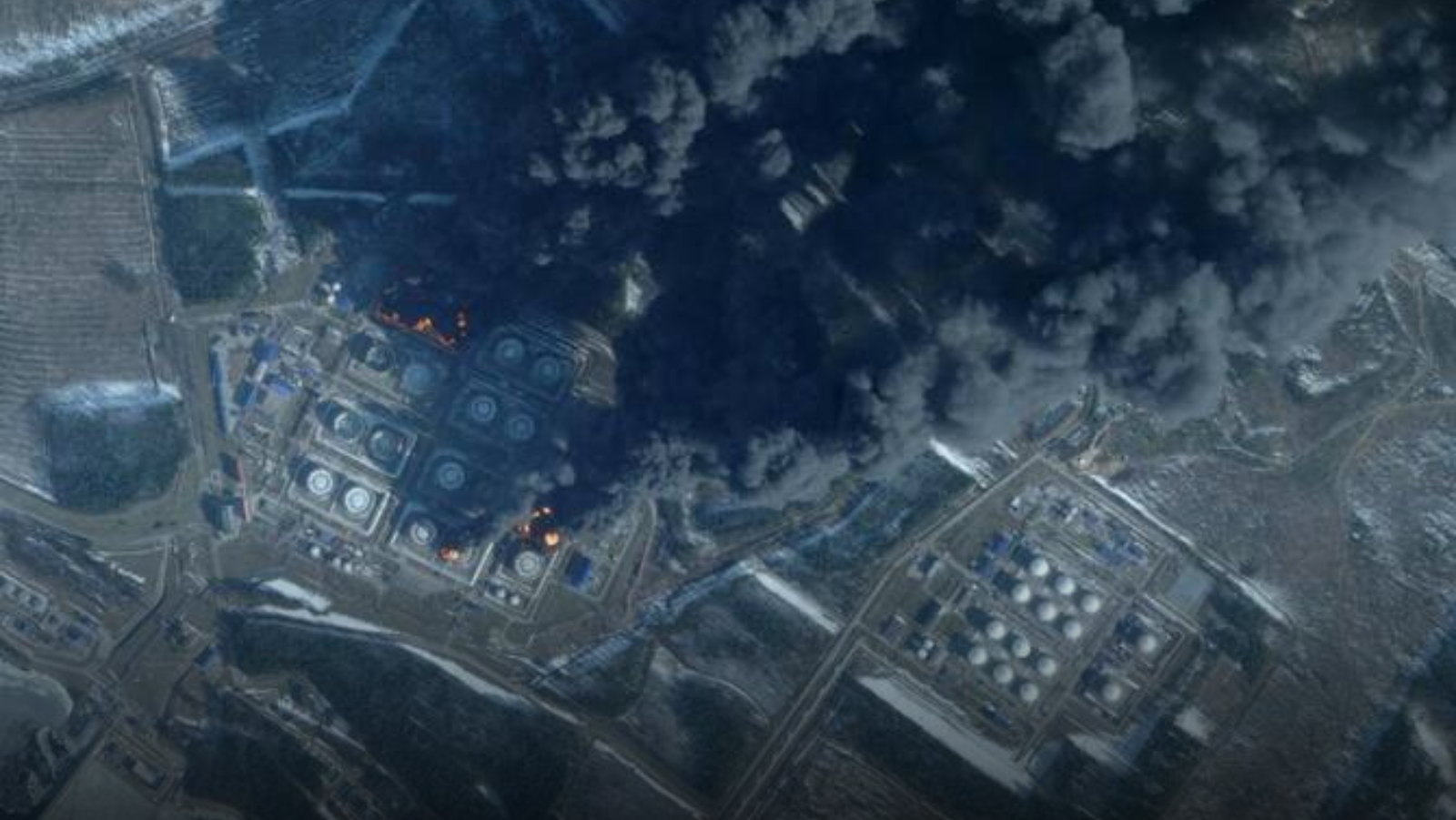
Ukraine Drone Attack Damages Primorsk Oil Pipeline, Russian Authorities Confirm
Moscow, Russia: A Ukrainian drone attack has caused damage to an oil pipeline near the Baltic port of Primorsk, according to Russian authorities, escalating tensions over infrastructure security in the region. Russian air defenses intercepted 19 drones in the Leningrad region, but debris from one drone struck the pipeline, prompting controlled burn operations. No casualties were reported, officials said.
Primorsk, located between the Finnish border and the key city of St. Petersburg, has been a repeated target in recent months. In March, an oil depot in the port was set ablaze in a separate attack, highlighting vulnerabilities in Russia’s energy supply network amid ongoing military tensions.
Details of the Attack and Damage
According to Alexander Drozdenko, governor of the Leningrad region, debris from a drone caused localized damage to the pipeline. The affected section is being safely burned out to prevent further hazards. In a Telegram post, Drozdenko assured the public that safety protocols were strictly followed and there were no injuries among workers or nearby residents.
Russian defense authorities reported successfully intercepting the majority of the drones sent into the region, a move credited with preventing more extensive damage. However, the incident underscores the persistent threat posed by unmanned aerial vehicles (UAVs) to critical infrastructure, including energy pipelines, oil depots, and port facilities.
Strategic Importance of Primorsk
The Primorsk port is one of Russia’s key Baltic oil export hubs, handling large volumes of crude oil destined for European and global markets. Any disruption to operations can have ripple effects on energy prices and supply chains. Analysts note that repeated attacks on Primorsk indicate a strategic effort to target Russia’s energy export capabilities, with potential implications for both domestic and international markets.
The March incident, which involved an oil depot fire, and the latest drone strike collectively demonstrate the increasing reliance on aerial and unmanned tactics to disrupt industrial and transportation infrastructure. Russian authorities have responded by strengthening air defense measures and monitoring systems across the Leningrad region.
Ukrainian Tactics and Regional Implications
Ukraine has intensified its targeting of Russian infrastructure in recent months, focusing on energy and transport networks to apply economic and logistical pressure. While the drone attacks are relatively small in scale, their precision and recurring nature amplify concerns about security at key ports, refineries, and pipelines.
Experts note that while physical damage from individual drone strikes may be limited, the cumulative impact on operations, maintenance costs, and regional logistics can be significant. Energy analysts are closely monitoring how such attacks may influence global oil markets, particularly in Europe, which relies partially on Russian pipeline exports.
Russian Response and Security Measures
Following the Primorsk incident, Russian authorities have reiterated the effectiveness of regional air defenses while emphasizing the need for continued vigilance. Governor Drozdenko praised local emergency services and pipeline operators for adhering to safety protocols that prevented casualties or wider damage.
Russia’s Ministry of Defense has reportedly increased aerial patrols and drone monitoring around critical infrastructure, including pipelines and ports, to mitigate further threats. Civil defense units are on alert to respond quickly to incidents involving fires or mechanical failures caused by drone debris.
Broader Impact on Energy Markets
Though Russian authorities have contained the damage, energy analysts warn that repeated incidents at Primorsk and other strategic ports could temporarily disrupt supply. Oil pipeline operations are sensitive to structural damage, and any halt in oil flows may influence domestic fuel prices and export commitments.
The incident also highlights the growing vulnerability of global energy supply chains to asymmetric warfare tactics. Even relatively small UAV attacks can cause significant economic and operational disruptions if they target critical chokepoints such as pipelines, storage depots, or port facilities.
Expert Analysis
Energy security specialists suggest that the Primorsk attacks reflect a broader strategy of targeting infrastructure rather than civilian areas. By focusing on industrial nodes, attackers can exert pressure on government and corporate operations while minimizing direct human casualties.
“The repeated targeting of Primorsk is not accidental,” said one analyst specializing in energy logistics. “It demonstrates a clear objective to affect Russia’s oil export capabilities and, indirectly, global energy markets.”
Russian authorities are reportedly considering further upgrades to air defense systems, including increased UAV detection, electronic warfare measures, and rapid-response firefighting protocols. These measures aim to prevent future incidents from escalating into more serious disruptions.
Recommendations for Industry and Travelers
While the attack is specific to Primorsk and does not directly affect consumer energy in Europe or elsewhere, companies and stakeholders involved in logistics, shipping, and energy trading are advised to monitor updates closely. Industrial operators near critical infrastructure should review emergency response plans and ensure robust protocols are in place to mitigate operational risks.
For those monitoring air or sea transport in the region, official updates from Russian authorities and port management offices remain the most reliable sources of information. Travel or shipping advisories are expected to be minimal but may be issued if further incidents occur.
Conclusion
The Ukrainian drone attack on the Primorsk oil pipeline is the latest in a series of incidents highlighting vulnerabilities in energy infrastructure amid ongoing regional conflict. Russian authorities have contained the damage and confirmed no casualties, but the event reinforces the strategic significance of Primorsk as a critical export hub and the need for heightened security measures.
As energy markets remain sensitive to operational disruptions, continued monitoring and preparedness are essential. The incident also illustrates the evolving nature of modern conflicts, where drones and unmanned systems can have a disproportionate impact on key infrastructure.
For more updates on regional security, energy infrastructure, and recent conflicts affecting Russia and Europe, follow ongoing coverage on Time of Gulf.

Perfectly composed subject matter, thankyou for selective information.