
U.S. Expands Visa-Bond Pilot to 50 Countries
B-1/B-2 Travellers Now Face New Cash Bond Requirements
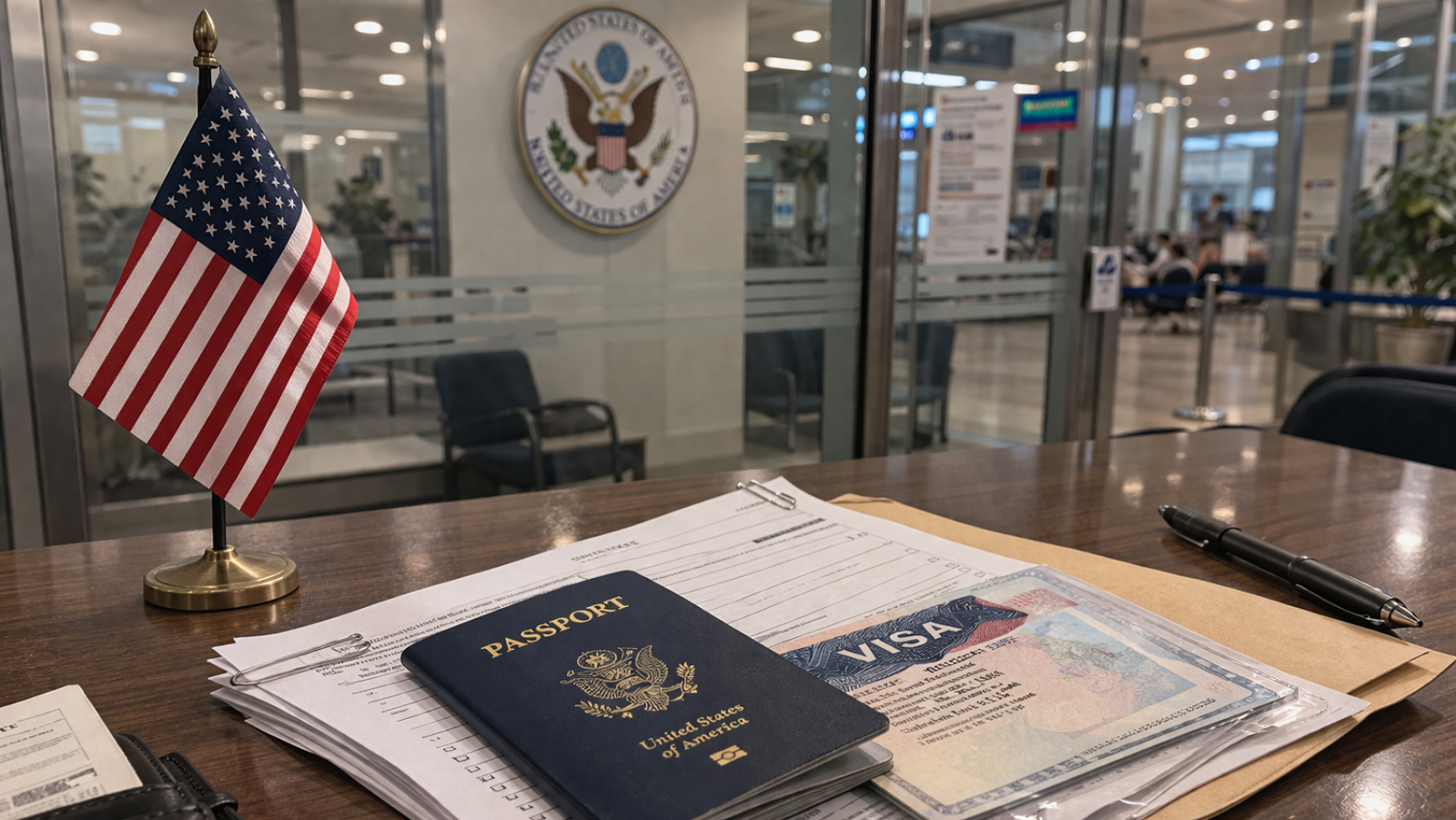
The U.S. Department of State has expanded its visa-bond pilot programme to include 50 countries, effective April 2, 2026. This update introduces a financial obligation for travellers applying for B-1 business and B-2 tourist visas. According to the policy brief issued by the State Department on April 5, applicants from the designated countries must post refundable cash bonds ranging from $5,000 to $15,000 prior to visa issuance.
Initially launched in August 2025 with just two African nations, the programme now spans a diverse group of countries, including Cambodia, Ethiopia, Georgia, Mauritius, Mongolia, and Nicaragua. Officials state that the expansion aims to curb visa overstays and ensure stricter compliance with U.S. immigration regulations. For many travellers and businesses, this marks a notable operational and financial shift.
How the Visa-Bond Pilot Works
The programme applies to select applicants from the 50 countries, requiring a refundable bond that guarantees the traveller departs the U.S. on schedule. The bond amount—$5,000, $10,000, or $15,000—is determined by factors such as the applicant’s country, travel history, and risk assessment by the U.S. State Department.
Data from the initial pilot show a 97 percent on-time departure rate among bond holders, supporting the view that financial surety effectively reduces overstays. For applicants, the process now includes additional steps such as coordination with the Pay.gov portal and careful monitoring to ensure timely bond refunds after travel.
Implications for Business Travel
Companies recruiting talent or hosting training from the affected countries must now budget for upfront cash deposits and allow additional time for bond processing. HR and mobility teams need procedures to track bond refunds promptly once employees depart the United States.
Bond holders are required to enter and exit through commercial airports, ensuring departures are electronically recorded. This restriction eliminates the previous option of short land-border trips to Canada or Mexico for business travellers. Businesses are adjusting schedules, approvals, and logistics to align with these requirements.
Financial and Equity Considerations
While bonds are refundable, immigration experts note that the financial burden may be significant for some applicants. A $15,000 bond can represent more than a year’s salary in certain countries, forcing travellers to seek high-interest loans and potentially limiting access to legitimate business opportunities.
This requirement particularly affects applicants from developing countries and smaller enterprises. Early planning is critical to prevent financial strain from disrupting corporate or personal travel. Visa specialists advise engaging early with experts to navigate these new procedures efficiently.
Support from Visa Specialists
Visa service providers assist applicants with determining bond applicability, making Pay.gov payments, and tracking departures to ensure prompt refunds. These services minimize disruptions for both individuals and companies while ensuring compliance with U.S. visa regulations. Early consultation with specialists is highly recommended to avoid delays in travel approval.
Operational Challenges for Companies
Businesses sending employees to the U.S. frequently must now review budgets and travel plans carefully. Large cash deposits, bond scheduling, and strict compliance rules affect participation in conferences, trade fairs, and industry events. Mobility teams are encouraged to cross-check partner and employee locations against the 50-country list to ensure accurate planning.
Employee education is also critical. Travellers must schedule flights through commercial airports to comply with entry and exit rules, reducing flexibility in travel arrangements. Coordination between HR, finance, and legal teams is now more important than ever.
Impact on Tourism and Individual Travellers
Tourists from affected countries face similar financial and logistical adjustments. Adequate funds must be arranged in advance, and those with limited resources may need loans, potentially discouraging legitimate tourism. Travel advisors recommend careful budgeting and early engagement with visa specialists to ensure compliance and smooth entry.
Policy Rationale
The State Department maintains that the visa-bond programme strengthens immigration compliance. Refundable bonds act as a deterrent against overstays while allowing responsible travellers to participate fairly. The expansion reflects the initial pilot’s success, with the high on-time departure rate cited as a key justification.
Potential for Long-Term Expansion
Although the pilot is currently authorized through August 5, 2026, the rapid expansion from two countries to 50 suggests the State Department may evaluate permanent implementation. International travellers and businesses should monitor updates, as broader adoption could reshape U.S. visa processes significantly.
Recommendations for Travellers and Companies
Affected travellers should:
- Confirm whether a bond applies to their visa category
- Budget for refundable cash deposits
- Schedule flights through commercial airports for compliance
Companies should:
- Provide clear guidance and financial support
- Update policies to ensure timely bond refunds
- Coordinate travel plans with HR, finance, and legal teams
Understanding the programme, preparing funds in advance, and consulting visa specialists are essential to avoid disruptions and ensure smooth travel.
Preparing for the New Visa Landscape
The expansion of the visa-bond pilot highlights evolving U.S. immigration policies. Businesses and travellers must plan proactively, seek professional guidance, and adjust operations to accommodate financial and logistical changes. Staying informed about visa regulations ensures seamless compliance and travel.
For official updates on the U.S. visa-bond programme and related B-1/B-2 travel requirements, applicants can refer to the U.S. Department of State website and official press releases.
For the latest updates on U.S. visas, immigration policies, and airline travel, please visit Time of Gulf.