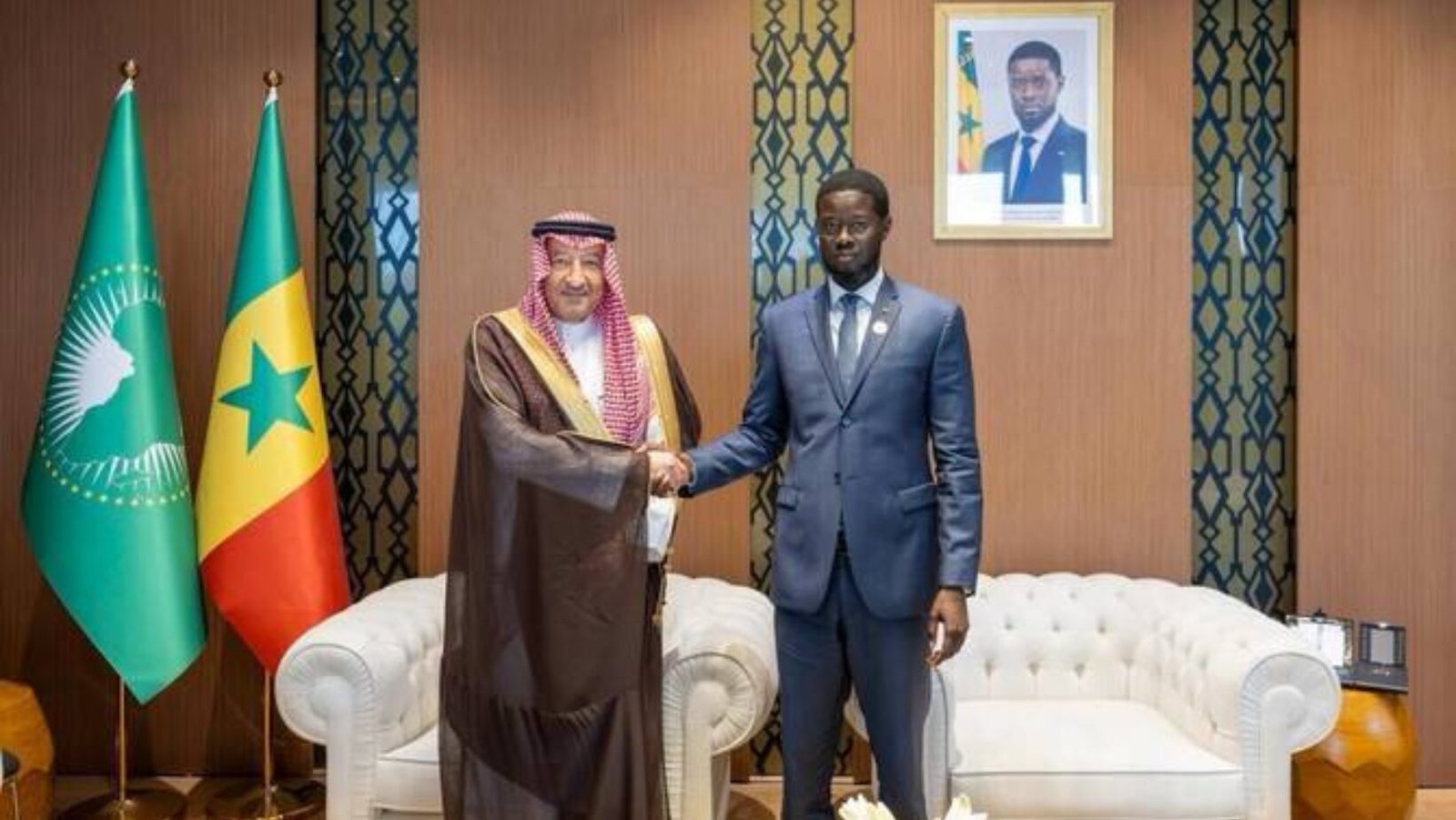
Saudi Iranian FMs hold first call since war start amid Gulf tensions
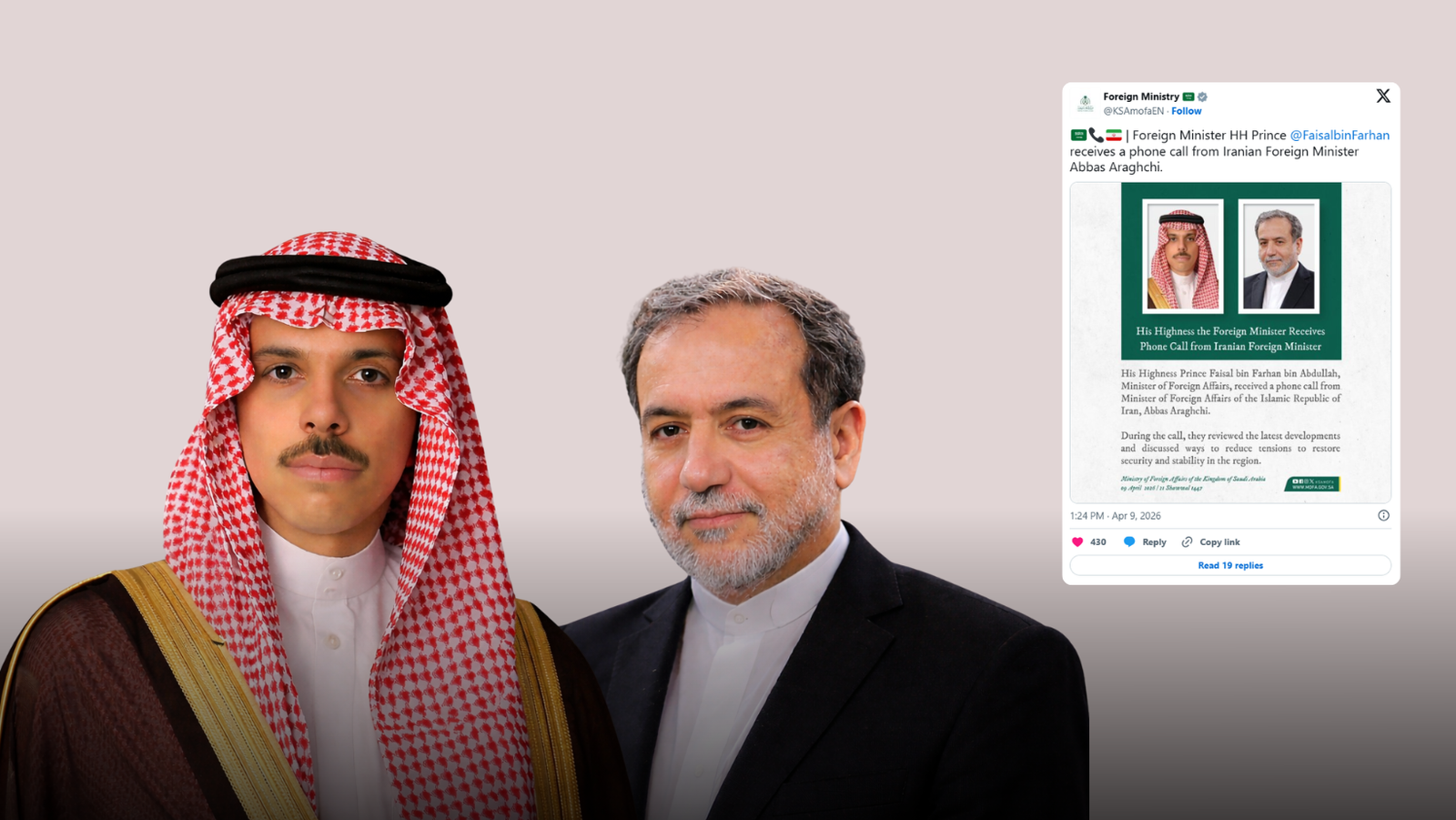
Saudi, Iranian FMs hold first call since war start to ease Gulf crisis and boost regional stability
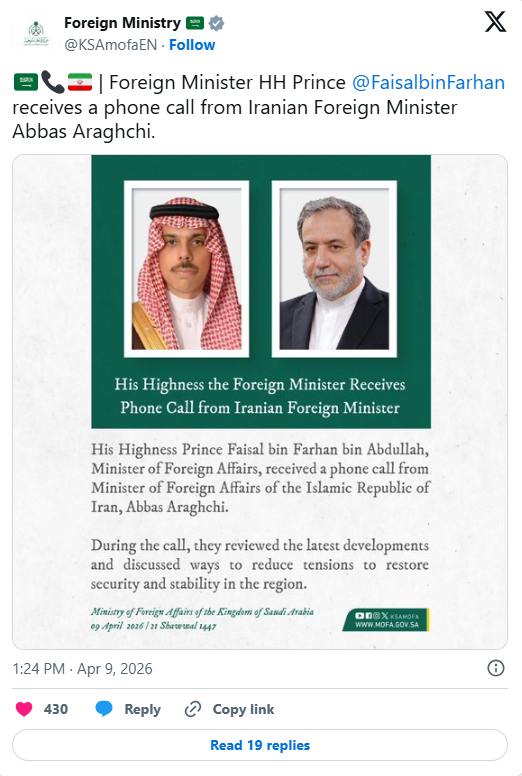
The first official phone call between Saudi Foreign Minister Prince Faisal bin Farhan and Iranian Foreign Minister Abbas Araghchi marks a historic moment in Gulf diplomacy. According to a statement by the Saudi Foreign Ministry, the ministers reviewed the latest developments and discussed strategies to reduce tensions and restore security and stability in the region.
This contact comes as the first formal communication between the two countries since the outbreak of the war, which saw Iran launch strikes against Gulf nations in retaliation for Israeli-American operations. Analysts view the Saudi, Iranian FMs hold first call since war start as a pivotal step toward dialogue in a region long affected by hostilities and uncertainty.
Ceasefire Context and Importance
The phone call follows the announcement of a fragile ceasefire earlier this week, aimed at halting offensive operations for a limited period. While the truce is temporary, it provides an opportunity for Saudi Arabia and Iran to explore diplomatic measures to prevent further escalation.
Since the start of the conflict, Iran’s military actions have targeted strategic infrastructure across the Gulf, while Saudi Arabia has maintained a defensive posture to protect civilian populations and critical installations. The Saudi, Iranian FMs hold first call since war start underscores the necessity of communication in avoiding unintended escalation and promoting regional stability.
Diplomatic Significance
Experts highlight that the conversation is more than symbolic; it reflects a mutual acknowledgment of the need to establish dialogue. In a region historically marked by mistrust and proxy conflicts, even limited official communication can signal the beginning of trust-building and cooperation.
“This first conversation demonstrates a willingness to engage at a high level, which could lead to more substantive talks in the future,” said Dr. Leila Haddad, a Middle East policy analyst. She emphasized that sustained engagement will be critical to achieving measurable progress.
Strategic Discussions During the Call
During the phone call, the ministers reportedly discussed the latest regional developments, potential measures to reduce hostilities, and strategies to enhance security in the Gulf. They also touched upon mechanisms to protect energy infrastructure, commercial shipping routes, and civilian populations.
The Saudi, Iranian FMs hold first call since war start provides a platform to synchronize diplomatic efforts with regional partners and international stakeholders. Observers note that such coordination could reinforce the temporary ceasefire and prevent unplanned escalations.
Implications for Gulf Security
The Gulf remains highly sensitive, given its economic and strategic importance. Analysts suggest that regular communication between Riyadh and Tehran could stabilize the region and encourage cooperation among neighboring countries.
Maintaining dialogue is critical not only for immediate conflict prevention but also for safeguarding global energy markets, as the Gulf hosts vital shipping lanes and energy production facilities. The Saudi, Iranian FMs hold first call since war start therefore carries both regional and global significance.
Regional and International Reactions
The call has been welcomed by regional actors and international partners, who view it as a positive development amid ongoing tensions. Several diplomatic sources emphasized the importance of continuous engagement to avoid humanitarian crises and prevent infrastructure damage.
While details of the conversation remain limited, it is expected that discussions focused on de-escalation measures, monitoring compliance with the ceasefire, and planning subsequent diplomatic engagements.
Challenges and Obstacles
Despite this breakthrough, challenges remain. Historical tensions, divergent strategic goals, and mistrust between Saudi Arabia and Iran may slow progress. Analysts warn that while the Saudi, Iranian FMs hold first call since war start is encouraging, it must be followed by concrete measures and consistent dialogue to be effective.
Both countries must address complex issues such as regional influence, military deployments, and security guarantees. The path ahead requires patience, diplomacy, and mutual compromise to ensure that this initial contact translates into meaningful progress.
Potential for Broader Diplomacy
The phone call could pave the way for a wider set of diplomatic negotiations involving other Gulf states and international mediators. Experts believe that continuous engagement may reduce tensions and provide a framework for long-term conflict resolution.
If the Saudi, Iranian FMs hold first call since war start leads to sustained communication, it could enhance security coordination, stabilize energy transit routes, and foster confidence among regional partners. This development has the potential to reduce the risk of miscalculation or unintended escalation in the Gulf.
Looking Ahead
Both sides are expected to use the ceasefire window to explore additional confidence-building measures. Analysts emphasize that strict adherence to the truce, regular dialogue, and transparency will be key to maintaining stability.
The Saudi, Iranian FMs hold first call since war start signals an important step toward reducing hostilities and creating space for negotiation. While the outcome remains uncertain, the initial engagement highlights the potential for diplomacy to shape the next phase of Gulf security and regional cooperation.
Conclusion
The first official conversation between Saudi and Iranian foreign ministers since the onset of conflict represents a significant milestone in regional diplomacy. By establishing communication, both countries have taken a critical step toward de-escalation, protection of civilian populations, and promotion of regional stability.
Although major obstacles remain, the Saudi, Iranian FMs hold first call since war start demonstrates a potential shift from confrontation toward dialogue. Continuous diplomatic efforts, mutual restraint, and adherence to the ceasefire could pave the way for a sustainable resolution to long-standing regional tensions.
For further updates on Gulf diplomacy, regional security, and conflict resolution, follow ongoing coverage on TimeOfGulf.