

Saudi Arabia Condemns Israeli Restrictions on Freedom of Worship in Jerusalem
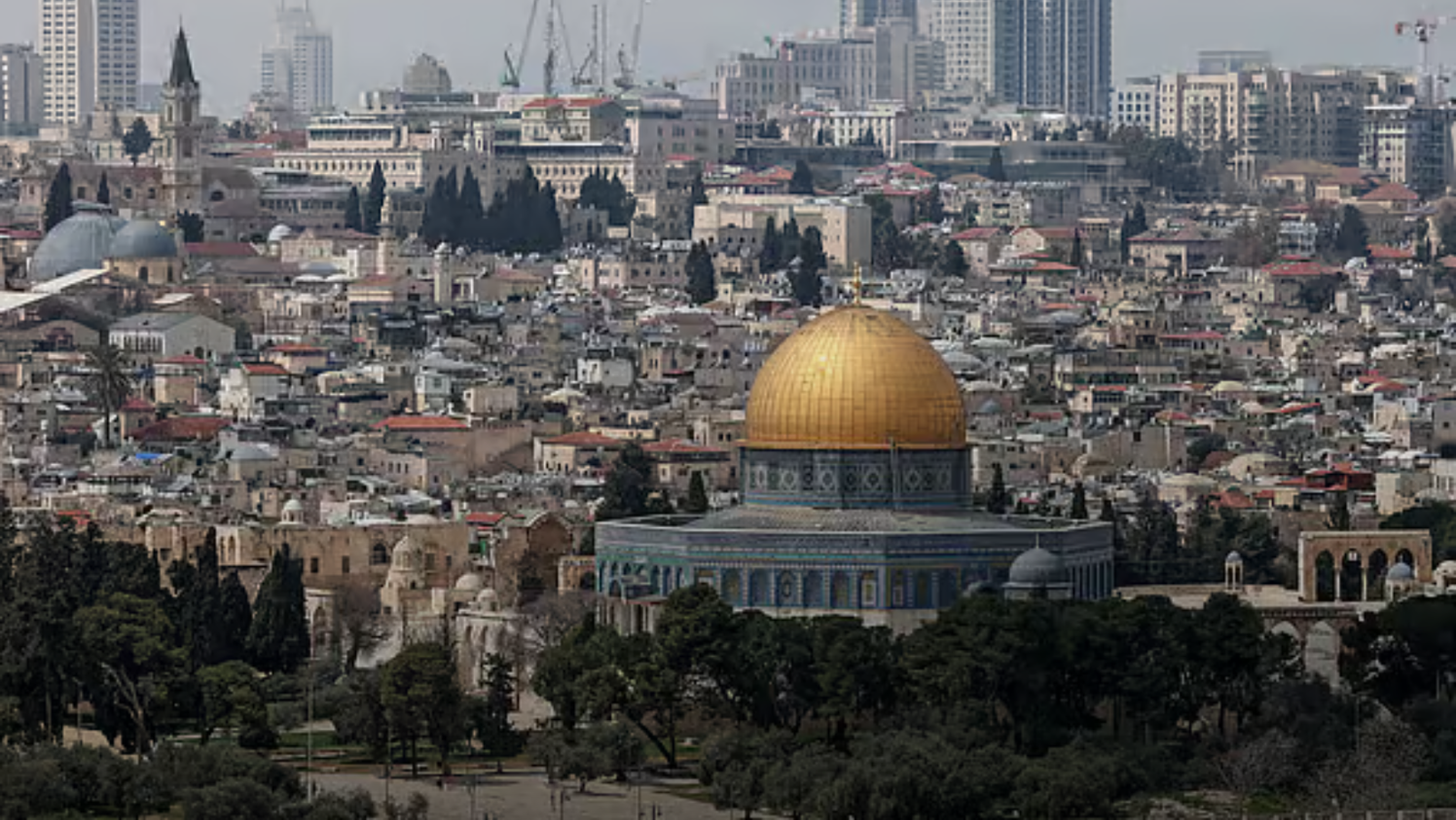
Saudi Arabia, Arab and Islamic nations urge Israel to respect Muslim and Christian access to holy sites amid rising tensions
RIYADH: Saudi Arabia, together with multiple Arab and Islamic countries, has issued a strong condemnation of Israel’s measures limiting access to holy sites in Jerusalem. Officials emphasized the importance of preserving freedom of worship for both Muslims and Christians, as the region faces heightened tensions following the ongoing US-Israeli war on Iran. Religious leaders and international observers have highlighted the urgent need for Israel to allow uninterrupted access to sacred sites.
The restrictions implemented by Israeli authorities included preventing Muslim worshippers from entering Al-Aqsa Mosque / Al-Haram Al-Sharif and blocking Christian leaders, including the Latin Patriarch of Jerusalem and the Custos of the Holy Land, from conducting religious services at the Church of the Holy Sepulchre during Palm Sunday. This move sparked widespread concern from both religious communities and global observers about the erosion of religious freedoms in Jerusalem.
Strong international response to Israeli restrictions on worship
The international community reacted swiftly to the restrictions. Following the backlash, Israeli Prime Minister Benjamin Netanyahu reversed the ban for the remainder of Holy Week, emphasizing the need to respect religious practices while maintaining security. Church officials from the Vatican expressed concerns over the incident, with senior Vatican diplomats meeting Israeli authorities to ensure that such disruptions would not recur and that leaders could perform ceremonies safely.
The Latin Patriarchate of Jerusalem reported that, for the first time in centuries, church authorities were unable to celebrate the Palm Sunday Mass at the Church of the Holy Sepulchre. High-ranking Vatican officials engaged in urgent discussions with Israeli representatives to secure access for religious leaders and protect the integrity of holy observances.
Saudi Arabia leads regional condemnation of worship restrictions
Through the Saudi Press Agency, Saudi officials highlighted the critical importance of allowing uninterrupted religious practice in Jerusalem. The statement was issued in collaboration with Egypt, Jordan, Pakistan, Indonesia, Türkiye, Qatar, and the UAE. Analysts note that this coordinated effort demonstrates a unified regional stance, reinforcing diplomatic pressure on Israel to uphold freedom of worship at the city’s sacred sites.
Saudi Arabia stressed that restricting access to Al-Aqsa Mosque / Al-Haram Al-Sharif and the Church of the Holy Sepulchre undermines peace and stability in the region. Religious freedoms, they argued, must be preserved even amid heightened security concerns.
Impact on local Muslim and Christian communities
Leaders from both communities expressed outrage over the restrictions. Muslim authorities highlighted the vital role of Al-Aqsa Mosque / Al-Haram Al-Sharif as a spiritual and cultural center for worshippers. Christian leaders criticized the barring of the Latin Patriarch from the Church of the Holy Sepulchre, stressing the historical and religious significance of uninterrupted access. The incident has renewed fears among local communities that religious freedoms may continue to be compromised under political or security pretexts.
Diplomatic interventions ensure temporary resolution
Following the strong international reaction, Israeli authorities were instructed to grant full access to religious leaders. Prime Minister Netanyahu stated on social media that, upon learning about the situation, he had directed officials to allow the patriarch and other clergy to conduct services without restriction. Observers noted that this rapid response highlights Israel’s recognition of the international implications of restricting religious access and the importance of maintaining interfaith diplomacy.
Historical and religious significance of Jerusalem’s sacred sites
Al-Aqsa Mosque / Al-Haram Al-Sharif and the Church of the Holy Sepulchre are central to religious identity for millions worldwide. The former is a pivotal site in Islam, while the latter is sacred to Christians as the site of Jesus’ crucifixion and resurrection. Restricting access to these sites has historically triggered international criticism and diplomatic tension. Experts emphasize that maintaining open access is essential for fostering religious tolerance and regional stability.
Security measures and the influence of conflict
Israeli authorities stated that closures were initially prompted by security concerns amid the US-Israeli war on Iran, particularly for locations lacking bomb shelters. These measures affected various faith communities, raising questions about how security concerns can coexist with the right to worship. Analysts warn that repeated restrictions risk damaging Israel’s international reputation and eroding trust among religious and diplomatic stakeholders.
Regional and global implications
The unified condemnation from Saudi Arabia and other Arab and Islamic nations reflects broader regional concern over religious access in Jerusalem. Observers suggest that sustained diplomatic pressure could influence future policy decisions regarding the city’s governance and the protection of holy sites. Maintaining uninterrupted access for worshippers is widely considered a fundamental aspect of preserving peace and fostering interfaith dialogue.
Ensuring long-term protection of religious freedoms
In response to the incident, regional powers and international organizations have renewed calls for permanent mechanisms to guarantee freedom of worship in Jerusalem. Saudi Arabia and partner nations emphasized the importance of establishing clear protocols to protect religious practices, even during conflicts. Advocates stress that the protection of sacred sites is a shared responsibility among local authorities, regional governments, and the international community, ensuring that no faith community faces disruption or discrimination.
Religious leaders call for accountability and dialogue
Muslim and Christian authorities have urged Israel to prevent similar incidents in the future. Religious leaders emphasized the importance of dialogue and cooperation among communities to uphold the sanctity of Jerusalem’s sacred spaces. The incident has further reinforced the need for structured coordination between local authorities and international representatives to ensure religious freedoms are respected regardless of geopolitical tensions.
Moving forward: regional unity and oversight
Saudi Arabia’s condemnation, in coordination with Arab and Islamic nations, demonstrates a commitment to monitoring developments in Jerusalem closely. Officials highlighted the need for a joint regional approach to prevent any further limitations on worship and ensure that sacred sites remain accessible to all faith communities. Religious freedoms, they stressed, should not be compromised by political or security considerations, as uninterrupted access is central to regional harmony and global faith observance.
For more latest news articles and breaking news, visit our website.