13 killed in Israeli strike on Nabatieh Lebanon amid rising border clashes
13 killed in Israeli strike on Nabatieh Lebanon as Hezbollah fires rockets into Israel
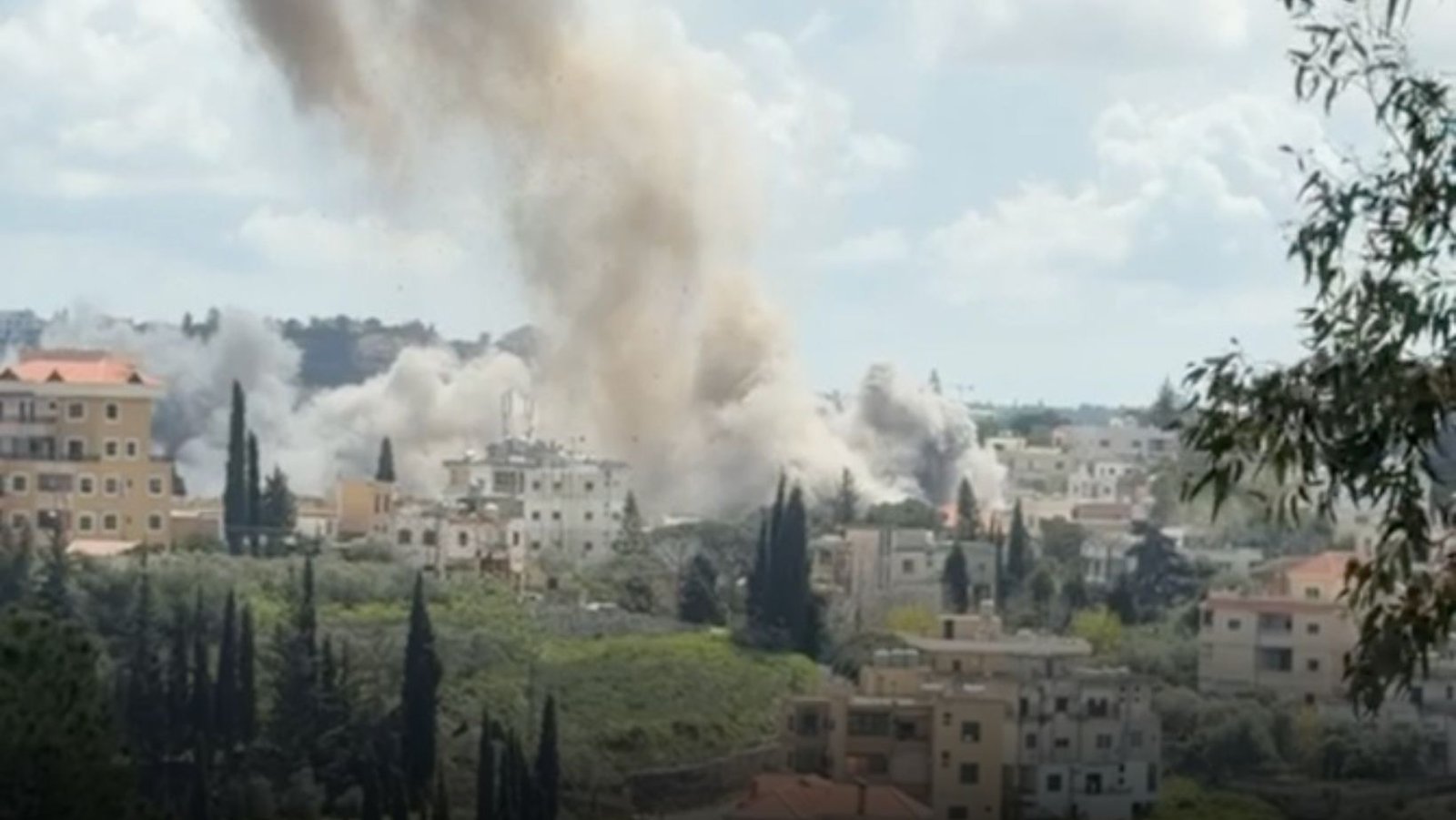
Lebanon’s President Joseph Aoun confirmed that 13 state security personnel were killed in an Israeli strike targeting a government building in the southern city of Nabatieh, marking a sharp escalation in cross-border tensions.
The attack comes amid continued clashes between Israeli forces and Hezbollah fighters along the Lebanon-Israel border. Officials say the 13 killed in Israeli strike on Nabatieh Lebanon highlights growing risks of wider conflict despite ongoing diplomatic efforts in the region.
Strike on Government Building
According to official statements, the Israeli strike directly hit a government facility in Nabatieh, resulting in the deaths of multiple security personnel stationed at the site.
President Aoun strongly condemned the attack, stating that targeting state institutions represents a dangerous escalation. He emphasized that such actions would not deter Lebanon from defending its sovereignty.
The 13 killed in Israeli strike on Nabatieh Lebanon has intensified political tensions, with Lebanese leadership calling for international attention to the continued attacks.
Hezbollah Rocket Response
Shortly after the strike, Hezbollah launched around 30 rockets from southern Lebanon into northern Israel, according to the Israeli military.
Air raid sirens were activated across multiple areas near the border, signaling the seriousness of the situation. Israeli authorities confirmed that several projectiles caused damage, although interception systems prevented wider destruction.
The 13 killed in Israeli strike on Nabatieh Lebanon was followed by this rapid escalation, underscoring the fragile security environment across the border.
Damage Reported in Northern Israel
Israeli emergency services reported direct impacts in several locations, including the city of Safed, where multiple vehicles were damaged.
Additional strikes were recorded in the Galilee region, including in Baana and Deir Assad, where a building sustained damage.
Officials confirmed that emergency teams were deployed quickly to affected areas. Despite material damage, there were no immediate reports of large-scale civilian casualties.
The cycle of attacks following the 13 killed in Israeli strike on Nabatieh Lebanon reflects the ongoing volatility along the frontier.
Ongoing Border Clashes
Clashes between Israeli forces and Hezbollah have continued since early March, when the militant group launched rockets in response to US-Israeli strikes targeting Iran.
Despite a broader ceasefire involving Iran, Israel has maintained that Lebanon is not included in the agreement, allowing military operations to continue along the northern border.
The 13 killed in Israeli strike on Nabatieh Lebanon comes as part of a wider pattern of military escalation that has persisted for weeks.
Rising Casualties on Both Sides
The conflict has already resulted in significant casualties. Lebanese health authorities report that more than 1,800 people have been killed since early March, including over 160 children.
On the Israeli side, at least 12 soldiers have been killed in southern Lebanon during the same period.
Military officials say thousands of Hezbollah-linked sites have been targeted since the beginning of hostilities. The 13 killed in Israeli strike on Nabatieh Lebanon adds to an already growing toll.
Drone Attack Injures Israeli Soldier
In a separate incident on Friday, an Israeli reservist was seriously wounded after an explosive drone struck military positions in southern Lebanon.
The attack highlights the expanding nature of the conflict, with both sides using a range of tactics including rockets, drones, and airstrikes.
The 13 killed in Israeli strike on Nabatieh Lebanon is part of a broader escalation that now includes multiple forms of warfare.
Political Reactions and Sovereignty Concerns
President Aoun reiterated Lebanon’s commitment to defending its sovereignty, warning that continued attacks on state institutions could lead to further instability.
Lebanese officials have called for increased diplomatic pressure to halt the violence and protect civilian infrastructure.
Meanwhile, Israeli authorities maintain that their operations are necessary to counter threats posed by Hezbollah near the border.
The 13 killed in Israeli strike on Nabatieh Lebanon has therefore become a focal point in the political and military standoff.
Uncertain Path Ahead
Despite ongoing diplomatic efforts in the region, tensions remain high. The absence of a clear agreement covering Lebanon continues to complicate the situation.
Analysts warn that without direct negotiations or expanded ceasefire terms, clashes could intensify further in the coming days.
The 13 killed in Israeli strike on Nabatieh Lebanon underscores the urgency of renewed diplomatic engagement to prevent a broader regional conflict.
Conclusion
The deadly strike in Nabatieh and the subsequent rocket fire into Israel highlight the fragile and dangerous situation along the Lebanon-Israel border.
As both sides continue to exchange fire, the risk of escalation remains high. The 13 killed in Israeli strike on Nabatieh Lebanon serves as a stark reminder of the human cost of ongoing conflict and the urgent need for de-escalation.
For more updates on Middle East tensions, border clashes, and regional security developments, follow ongoing coverage on TimeOfGulf.