
Iran Supreme Leader Khamenei Dies on State TV
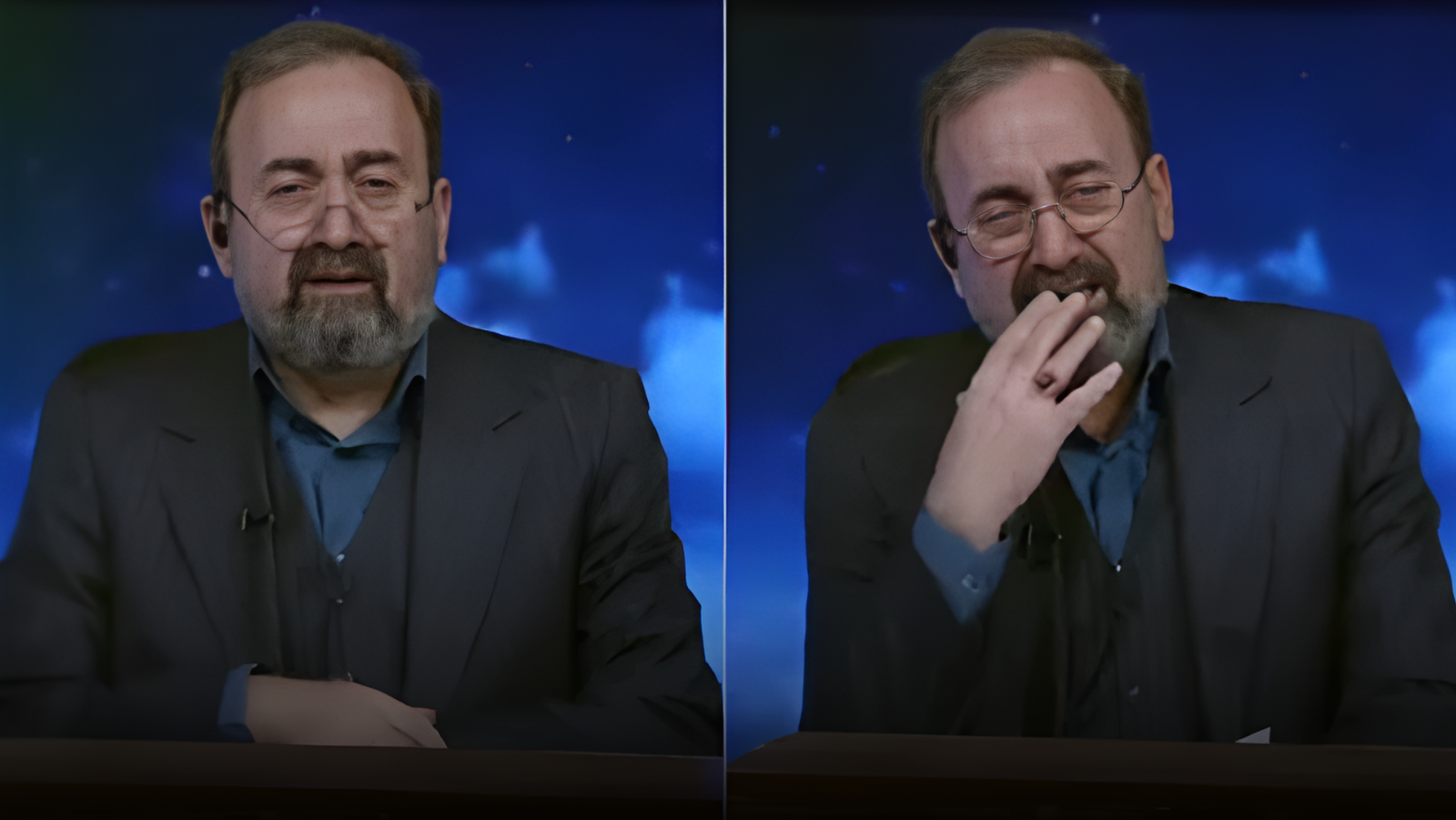
Emotional State TV Announcement Confirms Iran Supreme Leader Khamenei Dies, Marking Historic Moment for Nation
Iran has confirmed the death of Supreme Leader Ayatollah Ali Khamenei, with a tearful state television presenter announcing the news to the nation, creating a historic and emotional moment. Khamenei, 86, served as the supreme leader since 1989 and wielded ultimate authority over Iran’s political, military, and religious institutions for more than three decades. The broadcast highlighted the gravity of this national development, as viewers across the country witnessed the presenter struggle to maintain composure while delivering the announcement.
The announcement coincided with an official declaration of a 40-day national mourning period and a week of public holidays. Iranian authorities described Khamenei’s passing as a profound moment of national grief, framing it in terms of religious reverence and honoring his decades of leadership. The emotional delivery was unprecedented for Iranian state television, which traditionally maintains a formal and restrained style in official broadcasts.
Khamenei’s tenure as Iran’s supreme leader was marked by a consolidation of power over the country’s political, military, and religious spheres. He played a central role in shaping Iran’s foreign policy, particularly in its longstanding tensions with the United States, Israel, and regional actors. Analysts note that his death will have far-reaching implications for the country’s domestic politics and regional strategy, potentially reshaping Tehran’s approach to international relations.
National Mourning and Political Transition
The state media coverage confirmed a prolonged mourning period, with Khamenei’s passing being commemorated throughout Iran. The Assembly of Experts, the body responsible for selecting the next supreme leader under the Iranian constitution, is expected to convene to determine a successor. Experts suggest that the transition process may influence Iran’s internal power dynamics and foreign policy direction, given Khamenei’s longstanding influence in all aspects of governance.
During the announcement, the presenter’s voice trembled as she reported that Khamenei had “tasted the nectar of martyrdom,” emphasizing both religious significance and national reverence. Off-camera reactions from colleagues further highlighted the solemnity of the moment, which quickly became a subject of widespread discussion on social media platforms and among political observers worldwide.
Regional Implications and International Reactions
Khamenei’s death occurs amid heightened regional tensions, with ongoing conflicts and strategic competition in the Middle East. Political analysts suggest that the announcement may prompt neighboring countries to reassess their diplomatic and security strategies in the region. The United States and Israel have historically maintained a complex stance regarding Iran’s leadership, and this development may impact negotiations, military planning, and diplomatic engagement.
Although the precise circumstances surrounding Khamenei’s death have not been fully disclosed, Iranian officials emphasized the religious and national importance of the event rather than attributing it to any external factors. Some analysts have speculated about potential health-related causes, but Iranian authorities have focused on maintaining stability and controlling the narrative during this sensitive transition period.
Public Response and Social Sentiment
The emotional broadcast evoked strong reactions across Iran, with citizens expressing grief, uncertainty, and reflection on Khamenei’s long tenure. The tearful state TV announcement offered a rare glimpse into the human response of officials in one of the most tightly controlled media environments. Citizens have taken to social media to share memories and tributes, while also seeking updates on the process for selecting the next supreme leader.
Security measures have been heightened in major cities, including Tehran, to manage potential public demonstrations or gatherings during the mourning period. Analysts highlight that while Iran is likely to maintain order, the passing of a leader with such extensive influence may also create political maneuvering among factions within the government and religious establishment.
Historical Context and Leadership Legacy
Khamenei’s leadership legacy is intertwined with Iran’s modern history, particularly following the 1979 Islamic Revolution. As supreme leader, he succeeded Ayatollah Ruhollah Khomeini and continued the consolidation of power, often navigating internal political tensions and international pressures simultaneously. Khamenei’s decisions shaped Iran’s military strategies, nuclear program policies, and diplomatic posture, leaving a lasting imprint on both domestic governance and regional geopolitics.
Observers note that Khamenei’s death is a pivotal turning point, potentially creating a window for reformist or conservative elements within Iran to influence the next phase of political leadership. The Assembly of Experts’ decision will be closely watched by domestic and international stakeholders, as it may set the tone for Iran’s future policy direction.
Future Considerations and International Monitoring
As the mourning period continues, analysts emphasize that stability within Iran will depend on the management of the transition process and the cohesion of political and religious elites. Regional powers and global actors are likely to monitor developments closely, given Iran’s role in regional conflicts, global energy markets, and international diplomacy.
Experts predict that the next supreme leader may face immediate challenges, including balancing domestic expectations, maintaining international relations, and navigating internal factional politics. The unprecedented emotional state TV announcement signals a period of national reflection and uncertainty, highlighting both the significance of Khamenei’s legacy and the importance of careful leadership succession planning.
For ongoing updates on Iran’s political developments, national transitions, and regional security, readers can follow Time of Gulf coverage for reliable, comprehensive reporting.
2 thoughts on “Iran Supreme Leader Khamenei Dies on State TV”