Somalia Warns Against Somaliland Recognition Move
President Hassan Sheikh Mohamud Details Diplomatic, Regional, and National Strategy to Protect Somalia’s Unity and Sovereignty
Somalia’s President Hassan Sheikh Mohamud has warned that any recognition of Somaliland as an independent country would threaten national sovereignty and destabilize the region. Speaking from Mogadishu, he said Somalia considers unity a “red line” and stressed that the government is taking comprehensive steps to prevent actions that could undermine territorial integrity. He urged both regional and global actors to respect Somalia’s borders and adhere to international law.
President Mohamud described recognition of Somaliland as a violation of the United Nations Charter and African Union resolutions, which protect inherited borders across Africa. He highlighted that Somalia has already engaged diplomatic channels to reinforce its position and prevent unilateral moves that could encourage separatist movements in other regions of Africa.
Somalia Warns Against Somaliland Recognition Move Through International Diplomacy and Legal Action
The Somali government has implemented a three-pronged strategy to counter potential recognition of Somaliland. The first track involves diplomatic engagement at international organizations, including the United Nations, African Union, and Organisation of Islamic Cooperation. The goal is to formally assert Somalia’s legal claim to its territory and ensure that any recognition effort is met with unified global opposition. The government has also raised the matter at the UN Security Council, emphasizing that recognition constitutes a direct violation of Somalia’s sovereignty.
President Mohamud explained that international support is critical to safeguarding Somalia’s territorial integrity. By presenting the issue to global organizations, Somalia aims to prevent precedents that could destabilize Africa and the Horn of Africa in particular.
Regional Alliances Strengthen Somalia Warns Against Somaliland Recognition Move
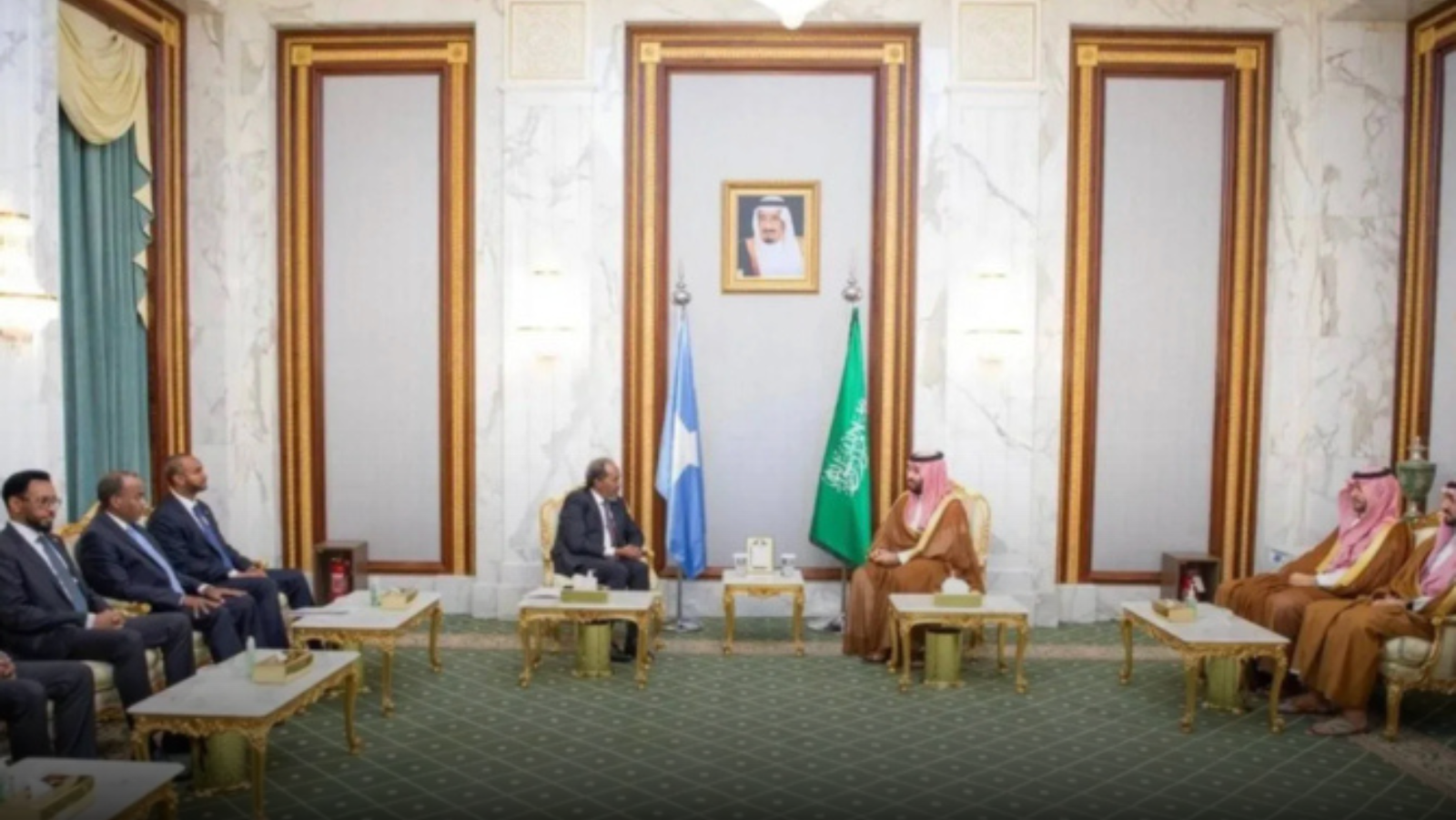
The second track focuses on building strong regional partnerships. President Mohamud praised Saudi Arabia for its early support, which demonstrates a commitment to sovereignty and regional stability. Coordination with Arab, Islamic, and African partners ensures a consolidated position, reducing the risk of external interference. Analysts note that these alliances give Somalia leverage in international negotiations and help maintain regional peace.
Mohamud stated that regional coordination not only strengthens Somalia’s diplomatic voice but also provides political reassurance to local stakeholders that the government is fully committed to protecting national unity.
National Dialogue and Internal Cohesion
The third track emphasizes strengthening internal political dialogue and governance. President Mohamud urged Somali political leaders to engage in constructive discussions, resolve differences, and reinforce a unified Somali identity. By consolidating domestic governance, Somalia can present a strong front against external pressures and prevent separatist rhetoric from gaining traction. Internal cohesion is essential to the overall strategy and complements diplomatic and regional efforts.
Strategic and Geopolitical Implications
President Mohamud warned that recognition of Somaliland could have broader geopolitical implications. It could encourage separatist movements in Africa and the Middle East and destabilize the Horn of Africa. Given Somalia’s strategic location near key maritime routes in the Red Sea and the Gulf of Aden, external powers could use recognition as a foothold to influence regional trade and security. The government is determined to prevent Somalia from becoming a platform for geopolitical rivalries.
Mohamud emphasized that Somalia’s response balances diplomacy with strategic caution. Maintaining internal stability while engaging regional and international partners is essential to protecting the country’s sovereignty and ensuring peace in the Horn of Africa.
Somalia Warns Against Somaliland Recognition Move Highlights International Support
Several international organizations and governments have expressed support for Somalia’s stance. These include the African Union and the Organisation of Islamic Cooperation, both reaffirming the importance of respecting national borders. Such endorsements reinforce Somalia’s position and increase pressure on countries considering recognition of Somaliland. The president noted that global backing strengthens Somalia’s diplomatic strategy and ensures that its sovereignty is respected.
International law experts agree that any recognition would challenge the norms of inherited borders in Africa. By combining diplomatic, regional, and domestic measures, Somalia is positioning itself to prevent unilateral actions that could destabilize the region.
Long-Term Implications for Somalia and the Horn of Africa
The Somali government’s three-track strategy — diplomacy, regional coordination, and internal cohesion — aims to secure long-term national stability. President Mohamud reiterated that Somalia will not compromise on unity, stressing that any recognition of Somaliland would have serious consequences for domestic peace and regional security. Analysts note that such recognition could disrupt trade routes, increase political tensions, and influence energy security across East Africa.
By proactively managing both internal and external threats, Somalia demonstrates a strong commitment to national sovereignty. The government is investing in governance, national dialogue, and strategic partnerships to ensure that the country remains unified and resilient against external pressures.
Conclusion
Somalia Warns Against Somaliland Recognition Move shows the government’s determination to protect its territorial integrity through comprehensive strategies. President Mohamud’s approach — combining diplomacy, regional alliances, and national cohesion — reinforces Somalia’s sovereignty and highlights the importance of international law. These measures reflect the country’s commitment to stability in the Horn of Africa and the broader region.
For the latest updates on Somalia, regional diplomacy, and national security, visit Time of Gulf.