Iran Revolution Anniversary 2026 Marked by Rallies Amid Public Frustration
Celebrations Across Tehran
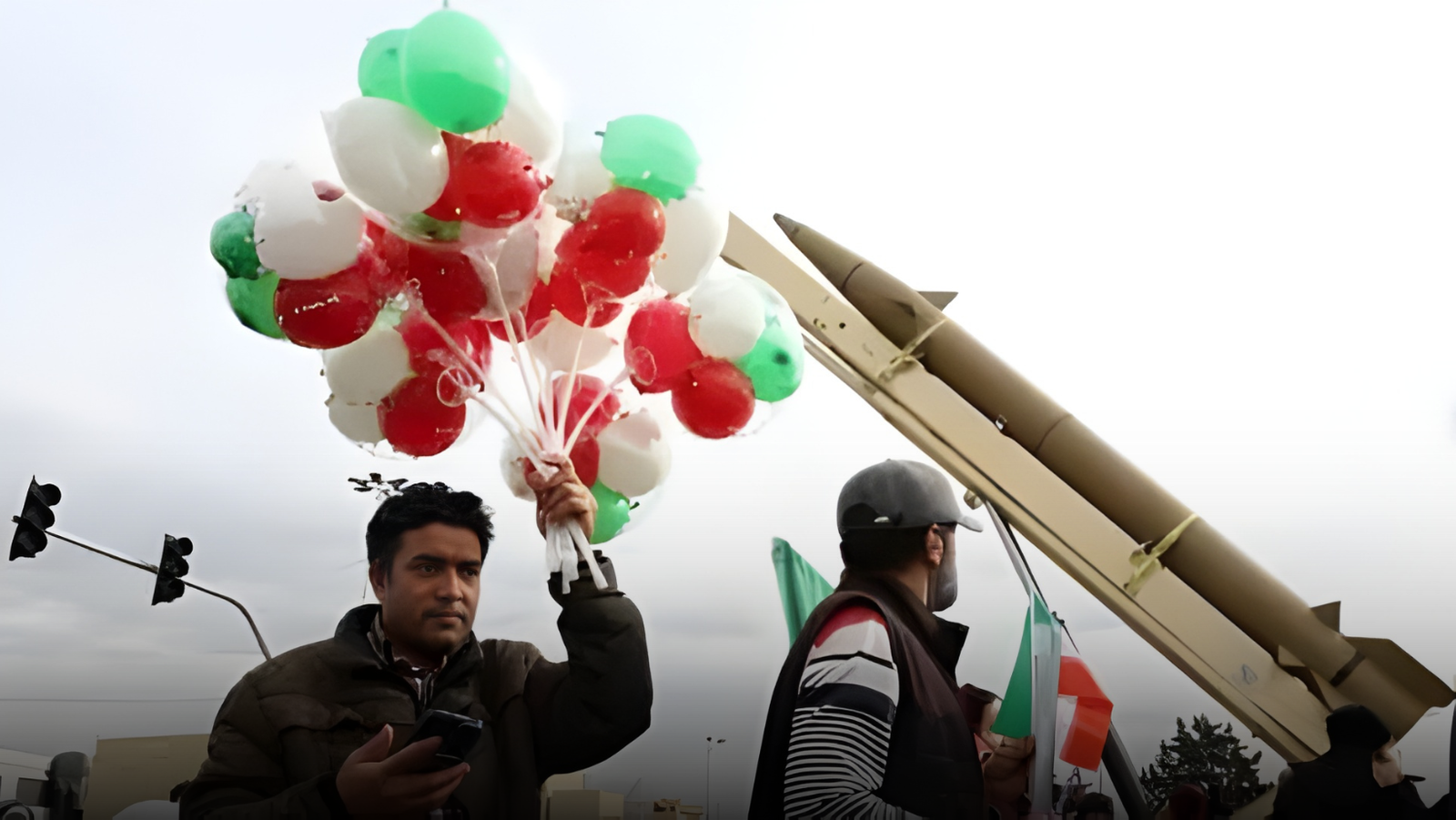
As night fell over Tehran on Tuesday, the city was illuminated with fireworks and the echoes of traditional slogans, marking the Iran Revolution Anniversary 2026. Citizens gathered across streets and rooftops, waving flags and chanting familiar revolutionary phrases that have symbolized national pride for decades. Families attended events in a festive atmosphere, enjoying cultural performances and patriotic displays organized by the government.
However, amid the celebratory scenes, quieter murmurs of dissent could also be heard. From inside homes and smaller alleys, some residents voiced frustration toward the country’s leadership, highlighting the contrasting moods that coexist in the capital.
Public Discontent and Economic Strain
The ongoing unrest in Iran has been fueled by severe economic pressures and a worsening cost-of-living crisis. Inflation, skyrocketing prices for basic necessities, and unemployment have led to widespread dissatisfaction, particularly among young people and working families. These issues were a major catalyst behind protests in Tehran and other cities last month, which saw demonstrators demanding accountability and systemic change.
Security forces responded with heavy-handed measures during the unrest, leading to a tragic loss of life and detentions, according to human rights organizations. Many citizens now balance their participation in official celebrations with private concern for the future of their families and communities.
Government Rallies and Official Commemorations
Government-organized rallies filled major squares, including the iconic Azadi and Enghelab Squares. Supporters of the Islamic Republic carried portraits of Supreme Leader Ayatollah Ali Khamenei, waving Iranian flags and chanting slogans denouncing foreign interference. Officials emphasized the historical significance of the revolution in preserving Iran’s independence and dignity.
President Masoud Pezeshkian addressed the crowds, acknowledging public grievances while highlighting the role of external actors in fomenting unrest. He stressed that government officials must listen to citizens’ concerns and implement reforms to stabilize the economy, citing efforts to combat currency devaluation and rising prices.
Tension Amid Festivities
While official events projected unity, the reality on the ground was more nuanced. Many residents expressed reluctance to speak openly about the unrest due to fear of reprisal. Others shared emotional accounts of relatives lost during protests, or the difficulties of daily life under escalating economic challenges.
Water shortages, power cuts, and limited access to essential services intensified frustration, particularly in smaller towns and marginalized neighborhoods. The Iran Revolution Anniversary 2026 thus revealed a nation celebrating its past while grappling with present hardships.
Youth Voices and Demands for Reform
Young Iranians, particularly students and women, were vocal about their desire for greater freedoms and governmental accountability. Many highlighted the need for policies that address employment, education, and social equity. For these citizens, the anniversary was not only a time to remember the revolution’s ideals but also to demand that the state honor its promises to the population.
Social media, cautiously accessed despite previous internet restrictions, provided a platform for young Iranians to share their perspectives and coordinate civic discussions. Observers note that these voices reflect a generational shift, emphasizing pragmatic solutions over traditional ceremonial participation.
Historical Significance of the Revolution
The Iran Revolution Anniversary 2026 marks 47 years since the overthrow of the Pahlavi monarchy in 1979 and the establishment of the Islamic Republic. The event historically represents sovereignty, national pride, and independence from foreign influence. Government officials reiterated that the revolution remains a cornerstone of Iran’s political identity, shaping domestic and international policies.
Despite the symbolic importance, analysts emphasize that the anniversary also exposes the challenges facing the nation today, from economic instability to societal division.
International Access and Media Restrictions
For the first time during recent unrest, international journalists were permitted limited access to cover the anniversary celebrations. This access contrasted with last summer’s near-total internet shutdown, which restricted communication and reporting. Observers noted that this partial openness allowed the world to see both the celebratory and discontented sides of Iran’s capital.
Journalists documented crowds attending rallies, families enjoying festivities, and quieter pockets of dissent, highlighting the duality of the current political climate.
The Role of Leadership
Supreme Leader Ayatollah Ali Khamenei continues to hold ultimate authority in Iran. Government statements emphasized that those accused of inciting unrest will face strict consequences. At the same time, President Pezeshkian’s remarks suggested a willingness to address certain economic and social concerns raised by the public.
This balance between maintaining control and acknowledging grievances reflects the tension inherent in modern Iran, where tradition and authority intersect with public demand for reform.
Looking Ahead: Challenges and Opportunities
Analysts argue that Iran is at a critical juncture. The Iran Revolution Anniversary 2026 serves as both a reminder of historical achievements and a reflection of current struggles. Economic reforms, diplomatic engagement, and a focus on social welfare are seen as essential to bridging the divide between citizens and the government.
Experts highlight that honoring the ideals of the revolution requires addressing contemporary issues—such as inflation, unemployment, and access to resources—while maintaining the values of independence and sovereignty that the revolution sought to secure.
Conclusion: A Nation at a Crossroads
The Iran Revolution Anniversary 2026 illustrates a country celebrating a historic milestone while confronting complex challenges. Streets filled with flags, slogans, and cultural performances coexist with private expressions of frustration, reflecting the nuanced reality of Iranian society today.
As public sentiment evolves, the government faces pressure to respond to economic hardships and ensure citizens’ voices are heard. Analysts warn that failure to address these issues could exacerbate tensions, whereas responsive leadership could strengthen social cohesion and reinforce the enduring legacy of the revolution.
For the latest updates on Iran, global politics, and regional affairs, visit our website .