Sudan Defense Minister Says Militia Failing as Army Gains Ground in Prolonged Conflict
Sudanese Armed Forces Intensify Offensive Operations
Sudan defense minister says militia failing as the national army increases pressure on the Rapid Support Forces (RSF), marking a potential turning point in the country’s prolonged conflict. Senior military officials report that the Sudanese Armed Forces (SAF) have shifted to an aggressive strategy, reclaiming territory and targeting remaining RSF positions across key regions.
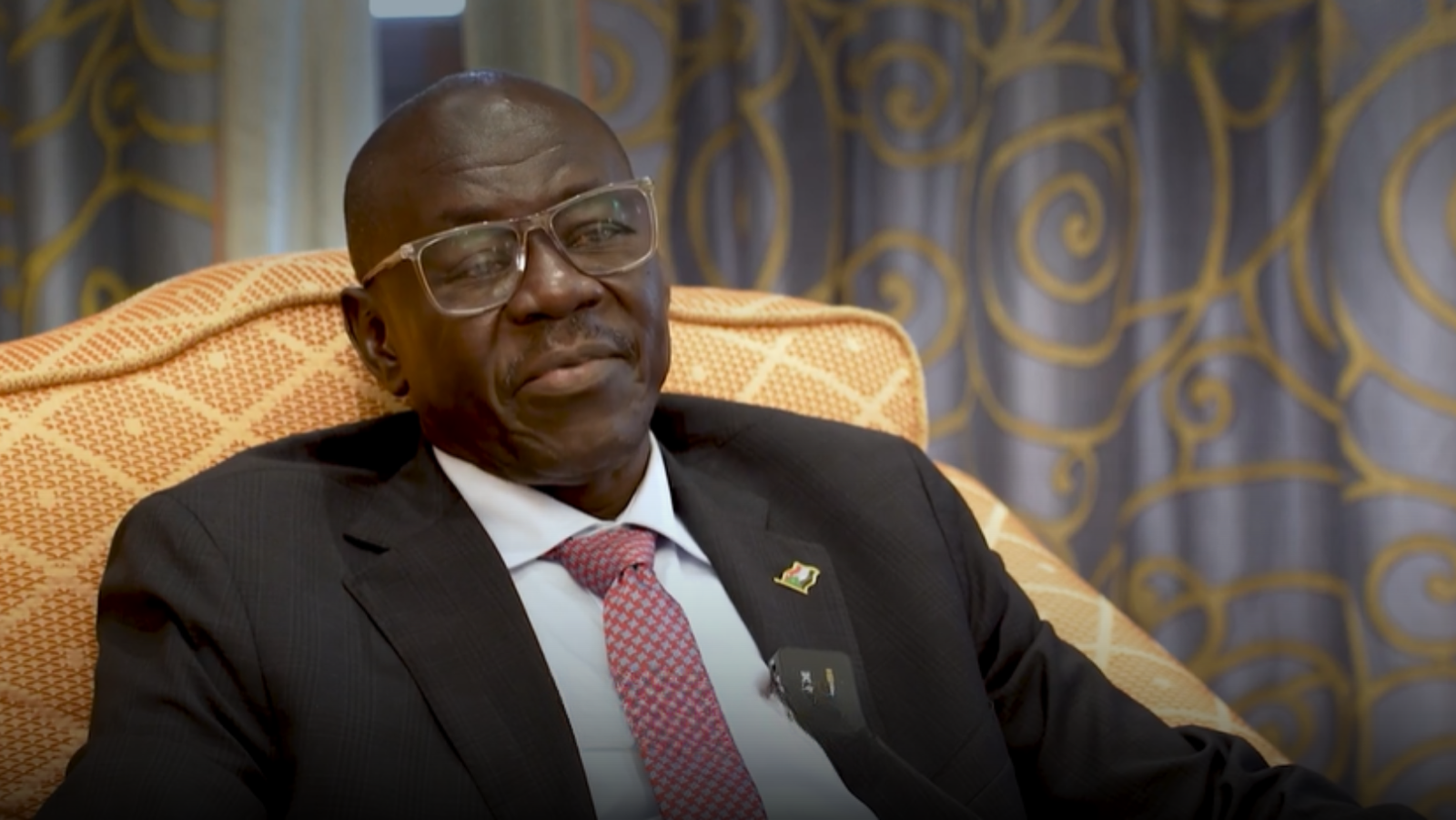
According to Defense Minister Hassan Kabroun, the army has regained significant momentum and is advancing steadily against RSF units. He stated that government forces, supported by allied nations, are closing in on areas still held by the militia, which he described as increasingly isolated.
Rapid Support Forces Lose Strategic Positions
The Rapid Support Forces, led by Mohamed Hamdan Dagalo, have been engaged in fierce clashes with the national army since the conflict erupted in April 2023. Initially, the RSF gained ground by capturing key installations and expanding its influence across multiple regions.
However, recent developments suggest a shift in momentum. Military sources indicate that SAF operations have successfully disrupted RSF supply lines and forced the militia to retreat from several strategic areas. Officials claim that RSF fighters are now concentrated in fewer locations, limiting their operational capacity.
Foreign Mercenaries and Declining Local Support
The defense minister highlighted what he described as the RSF’s growing reliance on foreign fighters, suggesting that its domestic recruitment base has weakened. Reports indicate that individuals from regions including West Africa, Colombia, Ethiopia, and South Sudan have been recruited to support RSF operations.
Kabroun argued that this shift reflects deeper structural challenges within the militia. He noted that the increasing presence of foreign mercenaries points to declining local support and mounting casualties among RSF ranks. Analysts say such developments can significantly affect the cohesion and effectiveness of armed groups over time.
Sudan Conflict 2023 and Humanitarian Crisis
The conflict began on April 15, 2023, when RSF units launched coordinated attacks on military bases, triggering widespread violence across Sudan. Since then, tens of thousands of people have lost their lives, and more than 14 million have been displaced, creating one of the world’s most severe humanitarian crises.
Large parts of the country are now facing famine conditions, with limited access to food, clean water, and medical care. Aid organizations have repeatedly warned that the situation could deteriorate further without immediate international intervention.
Gains in Key Regions and Restored Supply Routes
Recent military operations have enabled SAF to lift sieges in several towns, including Kadugli, improving access to critical supply routes. These developments have allowed humanitarian assistance to reach previously cut-off areas and enabled some displaced civilians to return to their homes.
Military officials described these gains as essential for stabilizing affected regions and restoring basic services. They emphasized that securing transportation corridors remains a priority for sustaining progress on the ground.
Darfur Violence and Civilian Impact
The conflict has had a devastating impact on civilians, particularly in the Darfur region, where reports of mass killings, sexual violence, and forced displacement have drawn international condemnation. Human rights groups have documented numerous incidents involving attacks on civilian populations, raising concerns about accountability and protection.
Kabroun condemned these actions, accusing the RSF of targeting vulnerable communities and violating international humanitarian law. He called for greater global attention to the situation and urged efforts to protect civilians caught in the crossfire.
Saudi Mediation and International Role
Amid ongoing violence, Saudi Arabia has played a key role in diplomatic efforts aimed at resolving the conflict. The defense minister praised Saudi mediation initiatives, describing them as crucial for fostering dialogue and reducing tensions.
International stakeholders continue to push for a negotiated settlement, although progress has been slow. Observers note that sustained diplomatic engagement will be necessary to achieve a lasting resolution.
Political Transition and Future Prospects
Looking ahead, Kabroun expressed optimism about Sudan’s future, suggesting that the weakening of the RSF could pave the way for a political transition. He stated that the military aims to support the establishment of a civilian-led government that would oversee democratic reforms and organize free and fair elections.
According to him, such a transition would mark a significant step toward restoring stability and rebuilding national institutions. However, analysts caution that achieving this goal will require addressing deep political divisions and ensuring inclusive governance.
Debate Over Nature of the Conflict
Kabroun rejected the characterization of the conflict as a power struggle between rival military leaders. Instead, he described it as a broader challenge to the authority of the Sudanese state. He argued that the RSF’s actions represent an organized rebellion rather than a conventional military rivalry.
This perspective has been contested by some observers, who view the conflict as rooted in longstanding tensions between different factions within Sudan’s security forces. Regardless of interpretation, the ongoing violence has underscored the complexity of the country’s political landscape.
Challenges to Long-Term Stability
Despite recent gains by the SAF, significant challenges remain. The scale of destruction across Sudan has left infrastructure severely damaged, while millions of displaced individuals continue to face uncertain futures. Rebuilding efforts will require substantial resources and sustained international support.
Experts warn that even if military objectives are achieved, long-term stability will depend on addressing underlying issues such as governance, economic recovery, and social reconciliation. Without these measures, the risk of renewed conflict could persist.
Conclusion: Turning Point or Temporary Shift
The statement that Sudan defense minister says militia failing reflects growing confidence within the Sudanese Armed Forces as they advance against RSF positions. While recent developments suggest a shift in momentum, the outcome of the conflict remains uncertain.
As Sudan navigates this critical phase, the balance between military action and diplomatic engagement will play a decisive role in shaping the country’s future. The international community continues to monitor the situation closely, emphasizing the need for both accountability and support for peace initiatives.
Stay updated with global conflicts, breaking news, and in-depth analysis—visit our website for the latest developments worldwide.