

Norway Defence Chief Raises Alarm on Russia
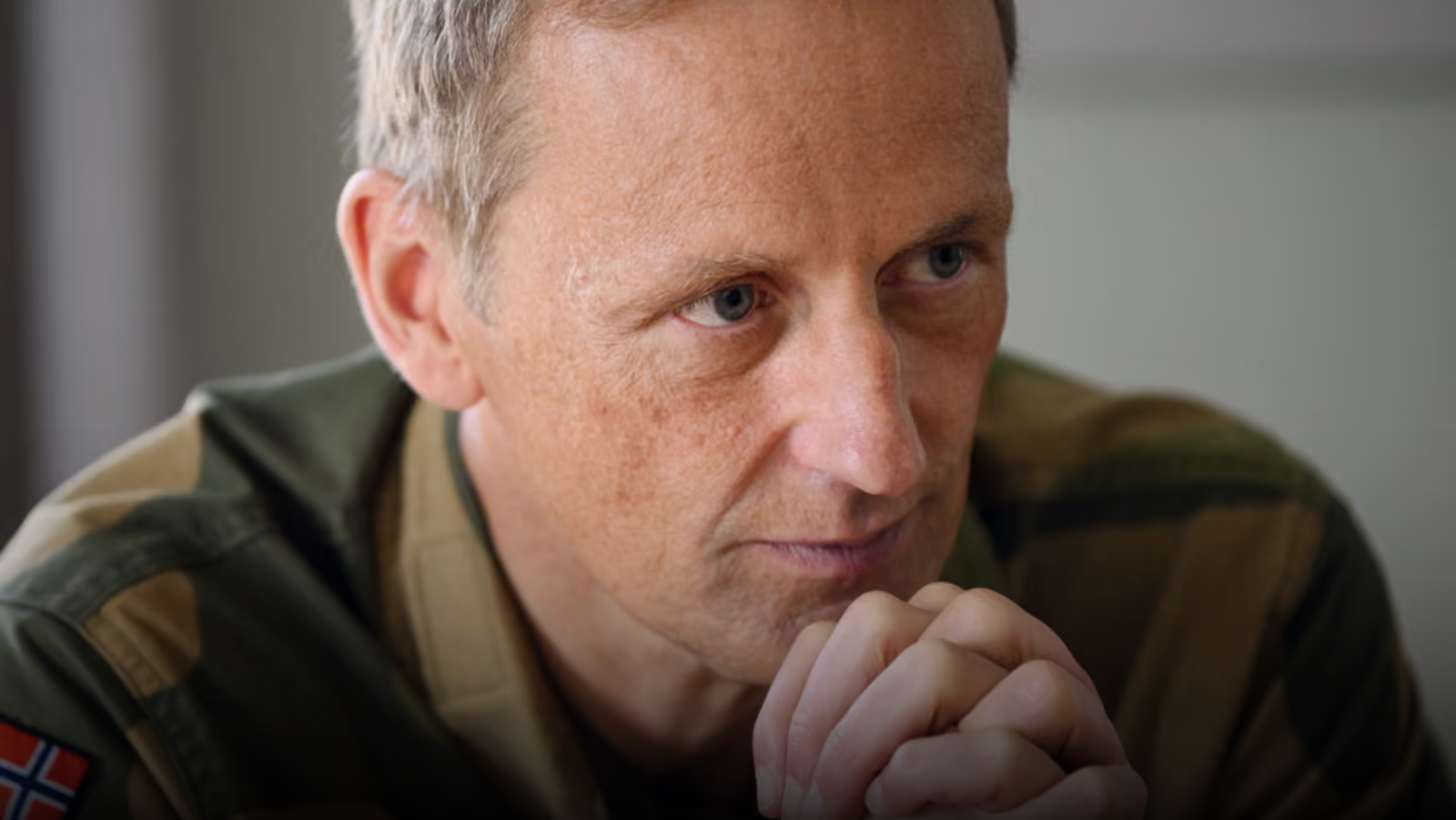
Norway Defence Chief Raises Alarm on Russia
Norway Defence Chief Raises Alarm on Russia, highlighting rising tensions in the Arctic region. General Eirik Kristoffersen, Norway’s top military official, warned that Moscow could take military action to protect its strategic nuclear facilities near the Norwegian border, particularly on the Kola Peninsula.
The Kola Peninsula hosts critical components of Russia’s nuclear capabilities, including submarines, land-based missiles, and aircraft capable of deploying nuclear weapons. Kristoffersen stressed that although Russia does not appear to have territorial ambitions in Norway akin to its actions in Ukraine, precautionary military moves cannot be ruled out.
Russian Nuclear Assets and Strategic Concerns
Kristoffersen stated, “There is a possibility that Russia may undertake measures to defend its nuclear installations. Ensuring the security of these facilities is a major factor in our High North defense planning.” This reflects Norway’s focus on protecting strategic assets and maintaining regional stability.
A veteran army officer with multiple deployments to Afghanistan, Kristoffersen also responded to former US President Donald Trump’s comments regarding allied troops in Afghanistan and Greenland. Trump had suggested that allied forces largely avoided frontline combat, which Kristoffersen strongly disputed.
“All of us served on the front lines, conducting missions that included arresting Taliban leaders, training local forces, and performing reconnaissance operations. We experienced casualties, and the idea that allies avoided combat does not reflect reality,” Kristoffersen emphasized.
Norway-Russia Border Security
Since becoming chief of defence in 2020, Kristoffersen has overseen significant strategic adjustments in response to Russia’s invasion of Ukraine. Norway has strengthened its northern borders, enhanced military readiness, and deepened cooperation with NATO allies. Sweden and Finland joining NATO has further altered the regional security environment, increasing the importance of vigilance in the High North.
Kristoffersen noted that Russia increasingly relies on unconventional methods, including cyber operations, sabotage, and disinformation campaigns. Norway continues to collaborate with Russia in certain areas, such as search and rescue missions in the Barents Sea, while proposing a direct communication line between Oslo and Moscow to reduce risks of unintended escalation.
Arctic Security Threats
Regarding the Svalbard archipelago, Kristoffersen addressed Russian presence there. Under a 1920 treaty, Russian settlements are permitted but militarization is prohibited. Norway has no intention of deploying military forces, and Moscow’s accusations of covert militarization are regarded as propaganda.
He also rejected claims about Greenland, countering suggestions that Russia or China were establishing military positions. “Our intelligence confirms no such activity. Russian operations in the Arctic focus on the Atlantic rather than Greenland,” he explained.
High North Defense Strategy
Safeguarding Norway’s sovereignty, especially in the High North, remains a top priority. The proximity of Russian nuclear forces necessitates careful monitoring and preparation. Kristoffersen emphasized investing in modern defense capabilities, intelligence gathering, and rapid response units, coordinated closely with NATO allies to ensure effective responses to potential threats.
Lessons from Ukraine and Hybrid Threats
Reflecting on Ukraine’s situation, Kristoffersen highlighted the challenges of occupation. “Initial military gains can be achieved relatively quickly, but maintaining authority over a resistant population is extremely challenging and costly,” he explained. This statement underlines Norway’s commitment to long-term strategic planning and deterrence measures.
Norway’s defense approach addresses both conventional and hybrid threats, ranging from nuclear security to cyber operations and territorial challenges. By emphasizing adaptability, intelligence-driven decision-making, and alliance coordination, Norway seeks to maintain peace and stability in Northern Europe and the Arctic.
Monitoring Russian Activities
Norway maintains vigilance over Russian military movements and exercises near its borders. Kristoffersen highlighted that accurate intelligence and situational awareness are crucial to preventing miscalculations. The goal is to ensure national security while avoiding unnecessary provocation.
The Arctic’s strategic importance has grown due to climate change, new shipping routes, and resource exploration. Kristoffersen warned that competing interests could increase tensions if international norms and treaties are ignored.
NATO and Regional Implications
Norway Defence Chief Raises Alarm on Russia, emphasizing the broader implications for NATO and global security. The Arctic has become a zone where military, economic, and environmental interests intersect, making it vital for Norway to uphold strong alliances while keeping communication open with Russia.
Preparing for Multiple Scenarios
Norwegian forces are preparing for a range of contingencies, from nuclear risks to hybrid and conventional threats. Kristoffersen stressed that a combination of deterrence, intelligence, and strategic foresight is essential for protecting Norway and its allies while avoiding escalation.
Conclusion
Norway Defence Chief Raises Alarm on Russia, stressing the strategic significance of the High North and the need to remain vigilant against nuclear and hybrid threats. Norway continues monitoring Russian operations, reinforcing NATO cooperation, and balancing deterrence with diplomacy to maintain security in the Arctic and beyond.
For the latest breaking news and Arctic security updates, visit TimeofGulf for full coverage

Undeniably believe that that you said. Your favourite reason seemed to be on the internet the simplest thing to be aware of. I say to you, I definitely get irked whilst other people consider issues that they just do not recognise about. You managed to hit the nail upon the highest and defined out the entire thing with no need side-effects , other folks can take a signal. Will probably be back to get more. Thanks