
Venezuelan Opposition Figure Guanipa Re-Arrested Amid Political Uncertainty
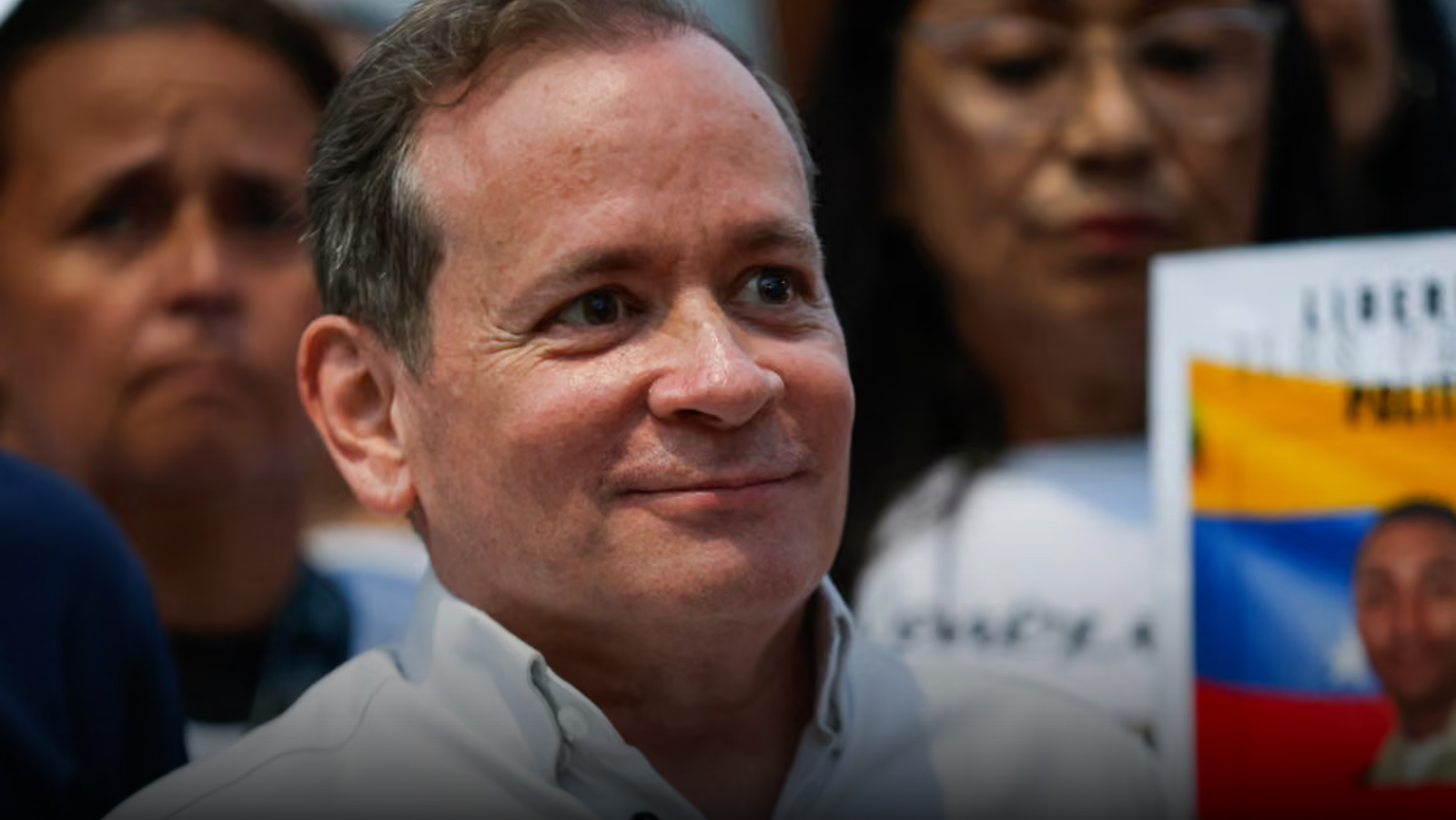
Juan Pablo Guanipa Re-Arrested Hours After Release, Highlighting Venezuela’s Ongoing Power Struggles
Juan Pablo Guanipa, a leading opposition politician in Venezuela, has been re-arrested just hours after his release from nearly nine months of imprisonment. The sudden detainment has raised serious concerns about the country’s political transition and the stability of reforms following the departure of Nicolás Maduro from power.
Guanipa, a prominent ally of opposition leader María Corina Machado, had been among the group of political prisoners freed earlier in February as part of the government’s proposed “new chapter” in Venezuelan politics. His brief period of freedom was seen as a hopeful sign for democratic restoration, yet his swift rearrest underscores lingering tensions within the nation’s leadership.
Immediate Rearrest Sparks Outrage Among Supporters
After his release, Guanipa participated in a public convoy through Caracas, joining supporters on motorbikes on the way to a rally outside the notorious El Helicoide detention center. Speaking to reporters, Guanipa expressed optimism, stating, “We are going to build a Venezuela of democracy, of freedom, of justice, of pluralism, and coexistence.”
However, that optimism was short-lived. In the late hours of the same day, armed men in civilian clothing detained Guanipa. His son, Ramón Guanipa, described the incident as a “kidnapping,” demanding proof of life and holding the government accountable for his father’s safety. The sudden turn of events has ignited protests and widespread concern among opposition figures.
Government Justifies Detention Amid Ambiguity
Venezuela’s top prosecutor indicated that Guanipa’s re-arrest was due to “non-compliance with release conditions,” without specifying the precise nature of those conditions. Observers note that other recently freed prisoners faced similar restrictions, including limitations on travel and media engagements. Critics argue that these rules have been applied inconsistently, raising questions about fairness and transparency in the judicial process.
Diosdado Cabello, a key figure in the security apparatus, defended the re-arrest, stating it demonstrated the functioning of Venezuelan justice. Yet many analysts believe the move reflects internal divisions, with some factions advocating closer engagement with international partners, while others continue to assert authoritarian control.
Political Implications of Guanipa’s Rearrest
Guanipa’s brief freedom and subsequent detention highlight the fragile nature of Venezuela’s political transition. Since Maduro’s ousting, interim leaders have attempted to signal reform through mass releases of political prisoners. Roughly 425 individuals were freed in early 2026, yet the treatment of high-profile figures like Guanipa suggests that old power structures still exert significant influence.
Orlando Pérez, a Latin America specialist, commented, “The re-arrest indicates a struggle between reformist and entrenched forces. This is not just about one man; it reflects Venezuela’s broader political trajectory.” The incident casts doubt on whether meaningful democratic reforms can proceed without resistance from entrenched authorities.
Background on Guanipa’s Original Detention
Guanipa was first detained in May 2025 on charges including conspiring with a foreign entity and planning destabilizing activities. During his imprisonment, he was only allowed limited contact with his family. His prolonged incarceration drew international attention, as human rights advocates criticized the Venezuelan government for using detentions to suppress dissent and target opposition figures.
His initial release had signaled potential reconciliation, yet the re-arrest reinforces the perception that Venezuela’s political environment remains unpredictable and fraught with risk for opposition leaders. Machado condemned the detention, labeling it a “violent act” and calling for the immediate liberation of Guanipa and other political prisoners.
Domestic and International Reactions
Within Venezuela, citizens have expressed a mix of fear and frustration. Supporters of Guanipa see his rearrest as a setback for political reform, while others worry about the stability of the transitional government. Human rights groups have emphasized the need for transparent procedures and legal safeguards to prevent arbitrary detentions in the future.
International observers are closely monitoring the situation. Many view Guanipa’s treatment as a barometer for the government’s commitment to democratic principles and human rights. Continued detentions of prominent opposition figures could undermine confidence in the interim administration and impede international support for Venezuela’s recovery.
Outlook for Venezuela’s Political Landscape
Juan Pablo Guanipa remains a central figure in Venezuela’s unfolding political narrative. His rapid re-arrest underscores the tension between reformist aspirations and lingering authoritarian practices. Observers suggest that the resolution of his case could influence broader debates on governance, accountability, and democratic restoration in the country.
For the time being, the political future of Venezuela appears uncertain. Guanipa’s situation demonstrates both the potential for change and the challenges of navigating entrenched power dynamics. Analysts recommend sustained attention to legal processes, human rights compliance, and transparent governance to prevent further instability.
For continuous updates on Venezuela’s political developments and regional reforms, visit Time of Gulf.

Hello, i think that i saw you visited my web site thus i came to “return the favor”.I’m attempting to find things to improve my site!I suppose its ok to use some of your ideas!!