
US Raid on Maduro Sparks Debate in China Over Taiwan Strategy
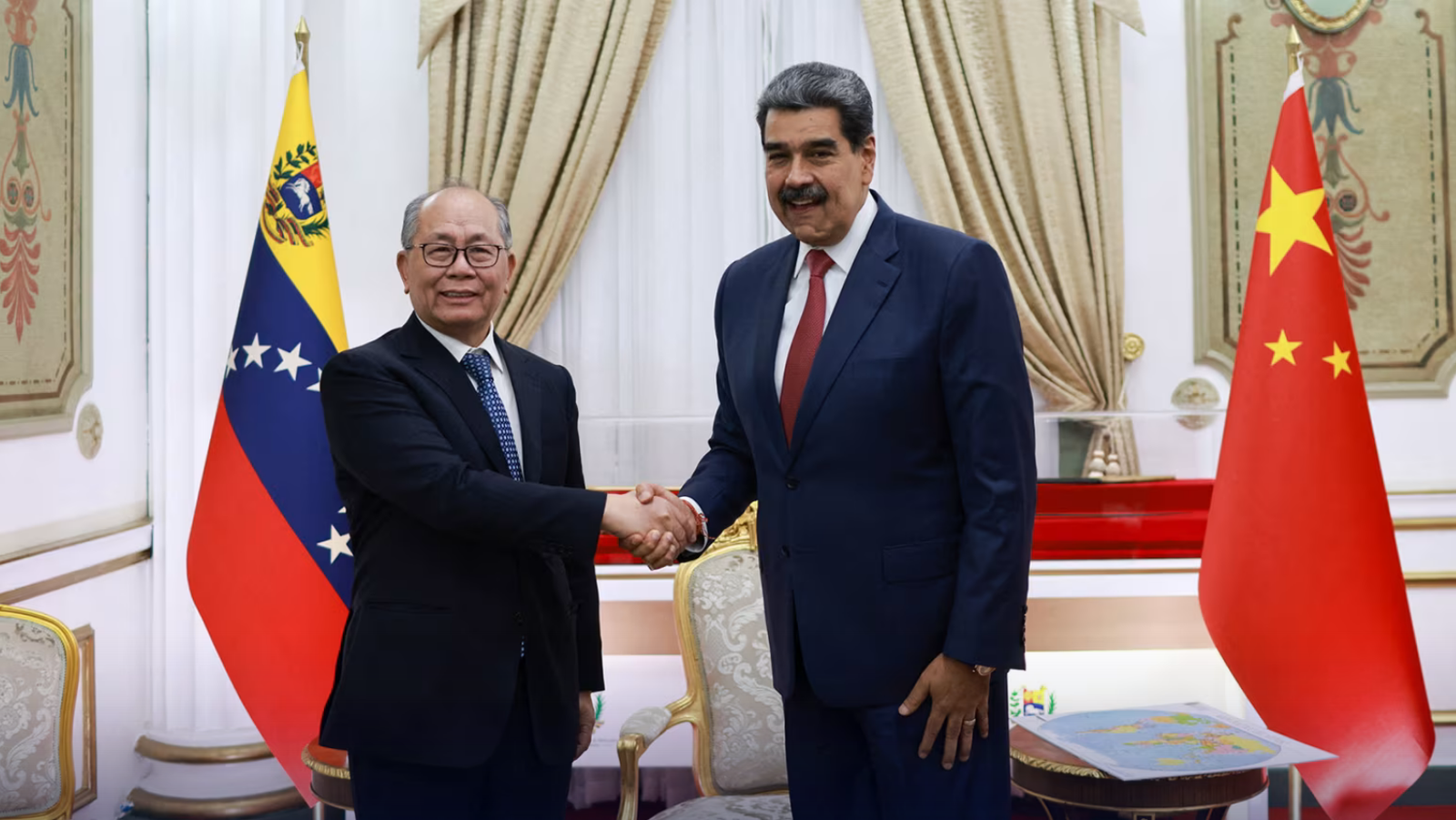
As US special forces executed a nighttime operation in Venezuela’s capital, President Nicolás Maduro was reportedly meeting with China’s top envoy to Latin America, praising Beijing’s leadership. Hours later, elite US commandos captured Maduro from his residence, sending shockwaves across international political circles.
China and Venezuela have historically maintained close diplomatic and economic ties, underpinned by shared political interests. China has provided significant infrastructure investment, loans, and has been a major importer of Venezuelan oil. The sudden US operation raises questions about the stability of China’s influence in the region and its access to Venezuelan resources.
On Chinese social media, the raid generated widespread discussion. Many users debated the operation’s implications, suggesting it could serve as a model for dealing with high-profile political figures, with some drawing parallels to Taiwan. While online discourse reflected nationalistic interest, official statements from Beijing condemned the US action, describing it as an overreach and calling for the immediate release of Maduro and his family.
China’s leadership emphasized respect for international law and the sovereignty of nations, cautioning against unilateral actions that could destabilize global order. Analysts note that while the social media conversation may be intense, official policy remains restrained.
Despite concerns over Venezuela, experts say the raid is unlikely to disrupt China’s oil imports significantly, as Venezuela’s crude production has fallen sharply in recent years and most shipments are handled by smaller, independent companies.
I really like what you guys are up too. Such clever work and reporting! Keep up the wonderful works guys I’ve included you guys to blogroll.
Some really great info , Sword lily I discovered this.