
US intercepts sanctioned vessel Arabian Sea amid Iran blockade escalation
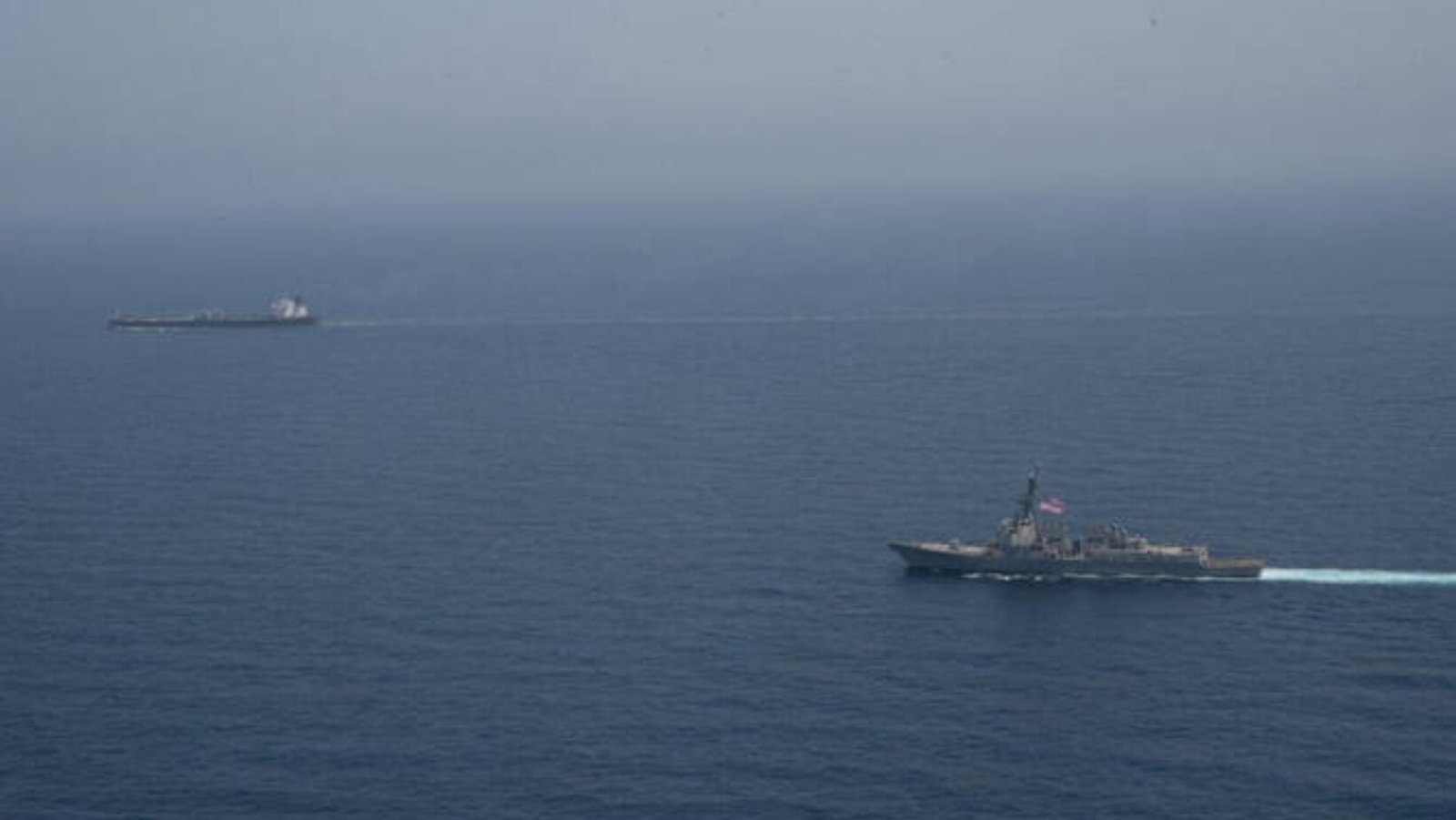
US Navy intercepts Iranian-linked vessel in Arabian Sea
US intercepts sanctioned vessel in Arabian Sea as American forces intensify maritime enforcement operations tied to the ongoing Iran blockade. The vessel, identified as Sevan, was intercepted in international waters during a US Navy operation coordinated by US Central Command. According to officials, the ship is suspected of belonging to a “shadow fleet” used to transport Iranian oil and gas products in violation of sanctions. From my perspective, this shows how naval enforcement has become a key tool in modern economic warfare.
Helicopter-based interception from USS Pinckney
US intercepts sanctioned vessel in Arabian Sea after a US Navy helicopter launched from the guided-missile destroyer USS Pinckney tracked and intercepted the ship. Military sources said the operation focused on surveillance and controlled interception rather than direct confrontation. The vessel was ordered to turn back toward Iranian waters under escort. In my view, this controlled approach is designed to avoid escalation while maintaining pressure.
Shadow fleet network under investigation
US intercepts sanctioned vessel in Arabian Sea as authorities target a wider network of sanctioned shipping known as the “shadow fleet.” These vessels often operate under hidden ownership structures and change flags to avoid detection. US officials claim the network is responsible for moving billions in Iranian energy exports despite sanctions. From my perspective, enforcing sanctions at sea is becoming more complex due to these evolving shipping tactics.
US expands maritime enforcement campaign
US intercepts sanctioned vessel in Arabian Sea amid a broader enforcement push by US Central Command. Officials say more than 30 vessels have already been redirected since the blockade began. The goal is to reduce Iran’s oil export revenues and limit sanctioned trade flows through key maritime corridors. In my opinion, this marks a long-term shift toward sustained maritime pressure rather than short-term enforcement.
Impact on global shipping routes
US intercepts sanctioned vessel in Arabian Sea as concerns grow over disruption to international shipping lanes. The Arabian Sea is a major route for global oil and gas transport, connecting Middle Eastern producers with Asia and Europe. Even limited enforcement actions can raise shipping insurance costs and create delays. From my perspective, the economic ripple effects may extend far beyond the Iran conflict itself.
Rising tensions over Iran blockade
US intercepts sanctioned vessel in Arabian Sea amid ongoing disputes over freedom of navigation and sanctions enforcement. Iran has previously condemned such operations, while the US insists they are necessary to prevent illegal oil exports. This creates a fragile maritime environment where commercial and military activity overlap. In my view, the risk of miscalculation at sea is increasing as enforcement expands.
Conclusion: maritime pressure continues to grow
US intercepts sanctioned vessel in Arabian Sea highlights the growing role of naval power in enforcing economic sanctions against Iran. As interception operations continue, tensions in key maritime corridors remain elevated. From my perspective, the situation reflects a broader shift where control of sea routes is becoming central to geopolitical strategy.
For Iran war updates, maritime security news, and global energy crisis coverage, visit TimeOfGulf for breaking reports and analysis.


I am forever thought about this, thanks for posting.
The crux of your writing whilst sounding agreeable initially, did not really settle perfectly with me after some time. Somewhere throughout the paragraphs you were able to make me a believer unfortunately only for a short while. I however have got a problem with your jumps in assumptions and one would do well to help fill in those gaps. When you can accomplish that, I would definitely be fascinated.