

India South Korea energy cooperation amid Iran war boosts supply chain resilience
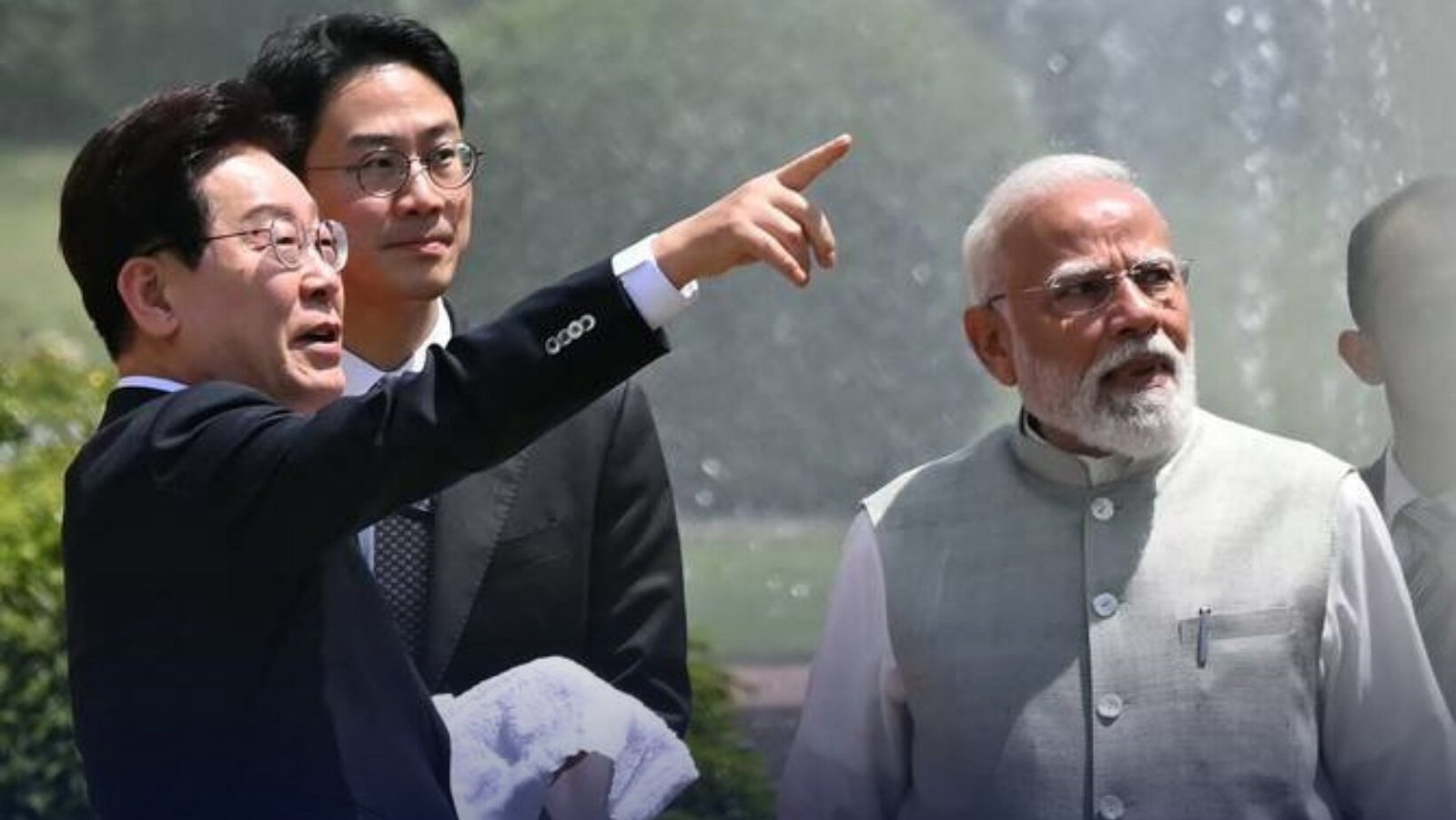
India South Korea energy cooperation amid Iran war strengthens trade and strategic ties
India South Korea energy cooperation amid Iran war is gaining momentum as both countries respond to disruptions in global energy supplies caused by escalating tensions in the Middle East. The latest agreements signal a strategic shift toward strengthening supply chains and reducing dependency on unstable regions.
Narendra Modi and Lee Jae Myung announced expanded cooperation during a high-level meeting in New Delhi. Their discussions focused on energy security, trade expansion, and collaboration in advanced technologies.
India South Korea energy cooperation amid Iran war driven by supply disruption
India South Korea energy cooperation amid Iran war comes as both nations face challenges due to disruptions in the Strait of Hormuz. The closure of this key route has impacted the flow of oil and gas, forcing countries to rethink their supply strategies.
South Korea, heavily reliant on Middle Eastern energy imports, is seeking alternative sources to ensure stability. India, with its strong refining capacity, is positioned as a viable partner in this transition.
In my view, this shift reflects a broader global trend toward diversifying supply chains to reduce risk.
Bilateral trade target set to double
India South Korea energy cooperation amid Iran war is closely linked to broader economic goals. Both leaders agreed to increase bilateral trade from approximately $27 billion to $50 billion by 2030.
This ambitious target will be supported by upgrading the Comprehensive Economic Partnership Agreement (CEPA), originally signed in 2009. The updated agreement aims to reflect modern trade dynamics, including digital economies and supply chain resilience.
From my perspective, such targets are not just symbolic—they create a framework for long-term economic growth.
Cooperation expands into critical technologies
India South Korea energy cooperation amid Iran war extends beyond energy into key sectors such as artificial intelligence, semiconductors, and digital infrastructure. The launch of initiatives like the India-Korea Digital Bridge highlights the forward-looking nature of the partnership.
These sectors are critical for future economic competitiveness, and collaboration can accelerate innovation in both countries.
In my opinion, combining energy cooperation with technology partnerships creates a balanced and future-ready alliance.
Naphtha trade becomes strategic priority
India South Korea energy cooperation amid Iran war includes a focus on naphtha, a key raw material for the petrochemical industry. South Korea relies heavily on naphtha imports from the Middle East and is now looking to diversify its sources.
India’s refining industry offers a flexible and geographically closer alternative. Increasing naphtha exports from India could help stabilize supply for South Korean industries.
From my perspective, this is a practical and mutually beneficial solution to current supply challenges.
New agreements strengthen partnership
India South Korea energy cooperation amid Iran war was reinforced through the signing of 15 memoranda of understanding (MoUs). These agreements cover a wide range of sectors, including shipbuilding, trade, investment, and industrial cooperation.
The establishment of a ministerial-level Industrial Cooperation Committee further institutionalizes the partnership, ensuring continuous dialogue and progress.
In my view, such structured cooperation mechanisms are essential for turning agreements into tangible results.
Strategic importance of Indo-Pacific routes
India South Korea energy cooperation amid Iran war also highlights the importance of securing alternative maritime routes in the Indo-Pacific region. Key chokepoints such as the Strait of Malacca and Taiwan Strait are becoming increasingly significant.
Ensuring safe passage through these routes is crucial for maintaining stable energy supplies. Both countries are likely to collaborate on enhancing maritime security.
From my perspective, focusing on multiple routes reduces vulnerability and strengthens overall resilience.
India emerges as key energy partner
India South Korea energy cooperation amid Iran war positions India as a critical energy partner in Asia. Its role as a major refining hub makes it an attractive alternative to traditional suppliers.
This shift also reflects growing recognition of India’s strategic importance in global supply chains. As demand for energy and raw materials increases, such partnerships will become even more valuable.
In my opinion, India’s ability to adapt and supply diverse energy products gives it a strong advantage in the current scenario.
Conclusion: partnership shaped by global challenges
India South Korea energy cooperation amid Iran war demonstrates how global crises can reshape international partnerships. Faced with supply disruptions, both countries are taking proactive steps to secure their energy future.
The combination of energy cooperation, trade expansion, and technological collaboration creates a comprehensive partnership model. As geopolitical uncertainties continue, such alliances will play a crucial role in maintaining stability.
From my perspective, this partnership is not just a response to current challenges but a foundation for long-term strategic growth.
For more global trade updates, energy news, and Asia partnerships, visit TimeOfGulf for expert insights, analysis, and breaking international stories daily.

Nice blog! Is your theme custom made or did you download it from somewhere? A design like yours with a few simple adjustements would really make my blog jump out. Please let me know where you got your design. Thank you