
Iran president stresses diplomacy amid US distrust tensions as ceasefire deadline nears
Iran president stresses diplomacy amid US distrust tensions while uncertainty surrounds talks
Iran president stresses diplomacy amid US distrust tensions as Tehran signals a cautious approach toward ongoing negotiations with Washington. The statement reflects a dual strategy—keeping diplomatic channels open while maintaining skepticism about US intentions.
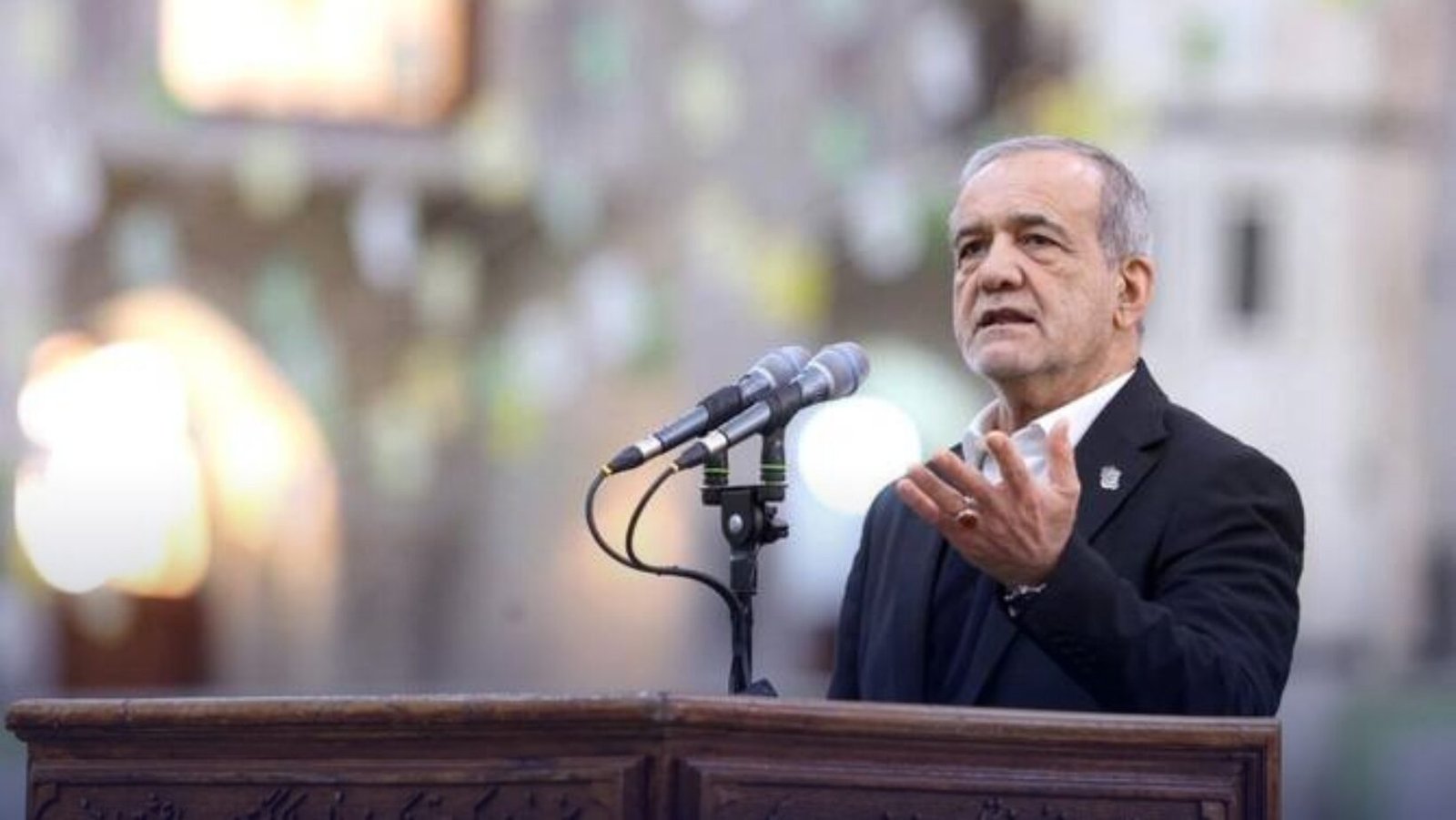
Iran’s President Masoud Pezeshkian emphasized that all rational and diplomatic paths should be used to reduce tensions. However, he also highlighted that distrust toward the United States remains an “undeniable necessity,” pointing to a complex and fragile relationship between the two countries.
Iran president stresses diplomacy amid US distrust tensions in key statement
Iran president stresses diplomacy amid US distrust tensions was clearly outlined in remarks reported by the Islamic Republic News Agency. Pezeshkian’s message reflects a balanced tone—encouraging dialogue while warning against blind trust.
This approach suggests that Iran is willing to engage in negotiations but is equally focused on protecting its strategic interests. The emphasis on vigilance indicates that past experiences continue to shape Tehran’s current stance.
In my view, this combination of openness and caution is typical in high-stakes diplomacy. It allows room for negotiation while minimizing potential risks.
Ceasefire deadline adds urgency to talks
Iran president stresses diplomacy amid US distrust tensions comes as a temporary ceasefire between Iran and the United States approaches its expiration. The agreement is set to end soon, increasing pressure on both sides to reach a more lasting arrangement.
The approaching deadline has created urgency, but it has also exposed lingering disagreements. Without progress, the risk of renewed escalation remains high.
From my perspective, deadlines can be both helpful and dangerous. They push negotiations forward but can also lead to rushed decisions or breakdowns.
Islamabad talks remain uncertain
Iran president stresses diplomacy amid US distrust tensions unfolds as diplomatic activity shifts toward Islamabad, where US representatives are expected to arrive for potential negotiations. However, Iran has not confirmed whether it will participate.
Reports suggest that Tehran is hesitant due to what it describes as “excessive and irrational” demands from Washington. This uncertainty raises doubts about whether meaningful discussions will take place.
In my opinion, participation itself is a critical step. Without both sides at the table, progress becomes nearly impossible.
Strait of Hormuz dispute complicates negotiations
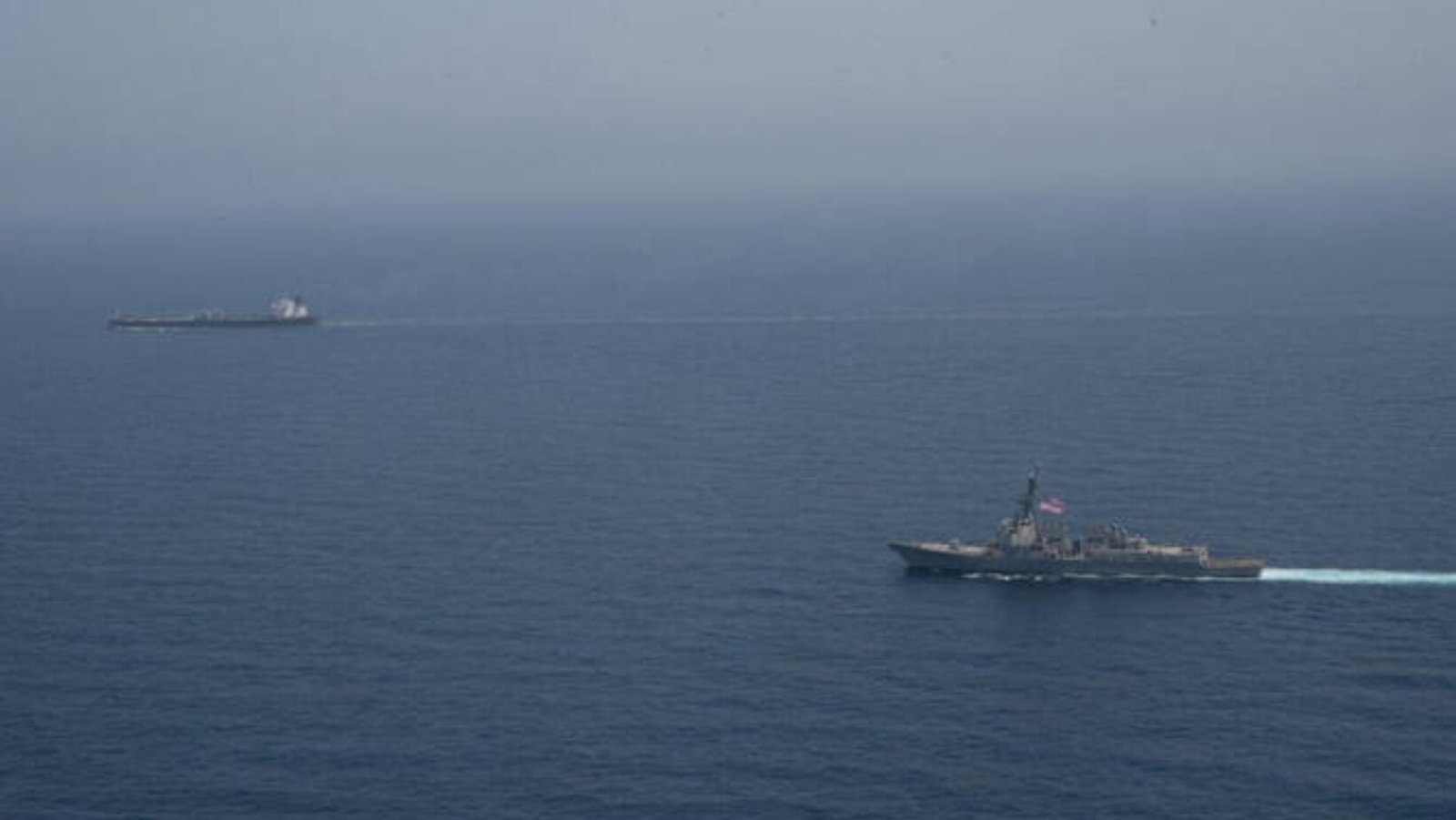
Iran president stresses diplomacy amid US distrust tensions is closely linked to ongoing disputes over the Strait of Hormuz. Iran has tightened control over maritime transit, while the United States continues to enforce a blockade on Iranian ports.
This issue remains one of the main sticking points in negotiations, as it directly affects global energy flows and regional security.
From my perspective, control over such a vital route is not just a tactical issue—it represents broader geopolitical influence.
Mutual accusations deepen mistrust
Iran president stresses diplomacy amid US distrust tensions is further complicated by mutual accusations of ceasefire violations. Both Tehran and Washington have blamed each other for actions that undermine the agreement.
Pezeshkian pointed to the US blockade as evidence that Washington may be repeating past patterns and failing to commit fully to diplomacy.
In my view, trust is the foundation of any successful negotiation. Without it, even well-structured agreements are difficult to sustain.
Iran signals cautious engagement
Iran president stresses diplomacy amid US distrust tensions shows that Tehran is not closing the door on dialogue. Instead, it is signaling a cautious willingness to engage under the right conditions.
This approach allows Iran to maintain flexibility while avoiding commitments that could be seen as concessions. It also keeps pressure on the United States to adjust its position.
From my perspective, this is a strategic move. It keeps negotiations alive while preserving leverage.
US stance remains firm
Iran president stresses diplomacy amid US distrust tensions contrasts with the firm position taken by the United States. Washington continues to enforce its blockade and push for broader concessions in negotiations.
This difference in approach highlights the challenge of finding common ground. Both sides have clear priorities, but aligning them remains difficult.
In my opinion, compromise will be essential. Without it, the gap between the two sides may continue to widen.
Conclusion: diplomacy continues amid uncertainty
Iran president stresses diplomacy amid US distrust tensions underscores the delicate balance between engagement and caution in international relations. While both sides express interest in dialogue, significant challenges remain.
The coming days will be crucial in determining whether negotiations can move forward or if tensions will escalate once again. The outcome will have implications not only for the region but also for global stability.
In my view, sustained diplomatic effort, combined with realistic expectations, offers the best chance for progress. However, achieving lasting peace will require both sides to move beyond distrust and toward genuine cooperation.
For more Middle East updates, diplomacy news, and global analysis, visit TimeOfGulf for trusted reporting, insights, and breaking developments daily.
Hi my loved one! I wish to say that this article is awesome, great written and include approximately all significant infos. I’d like to look more posts like this.