
EU urges Hormuz Strait reopening amid Iran-US tensions and rising global energy concerns
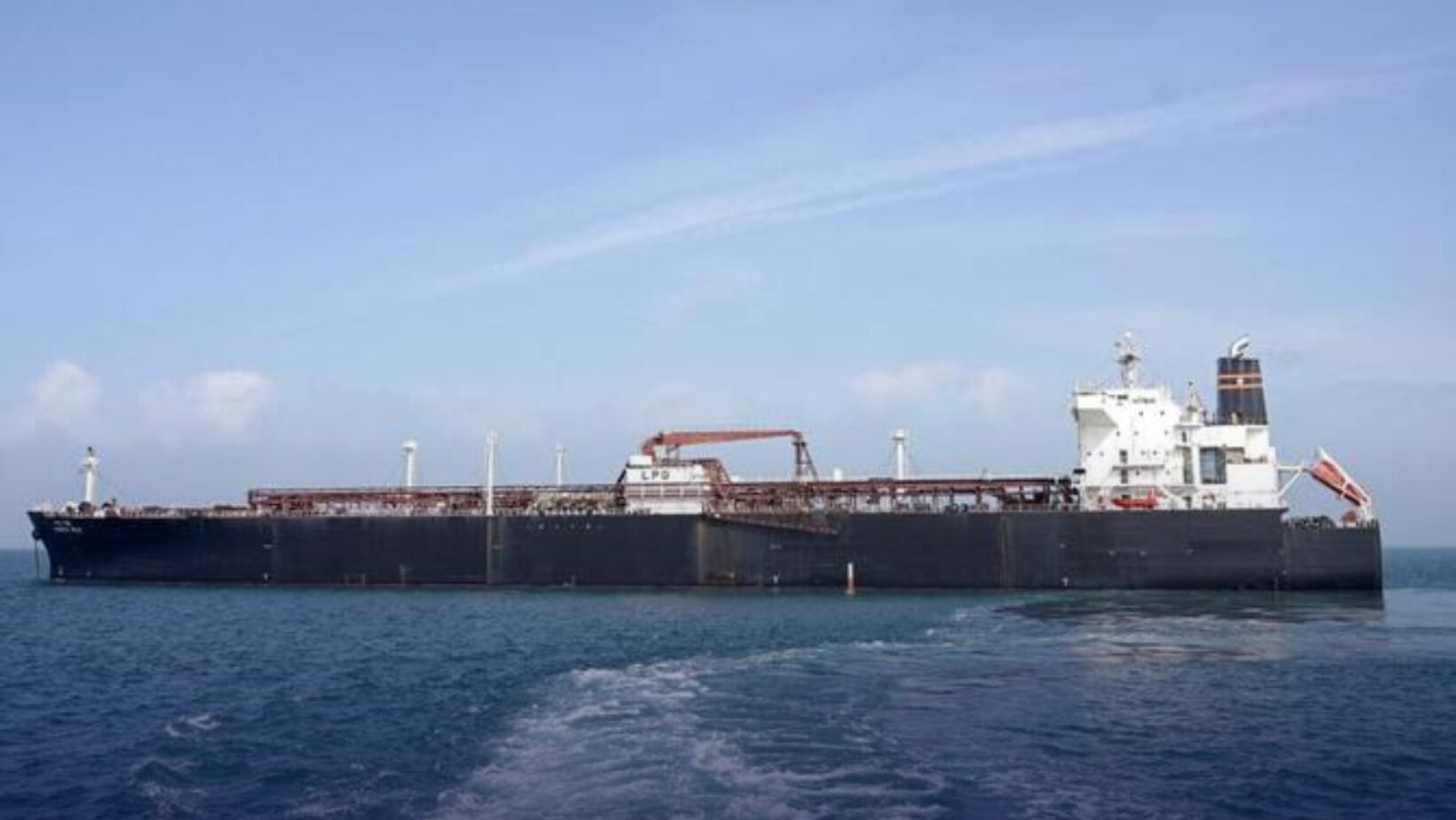
EU urges Hormuz Strait reopening amid Iran-US tensions as diplomatic pressure increases
EU urges Hormuz Strait reopening amid Iran-US tensions as European leaders intensify calls to restore stability in one of the world’s most critical maritime routes. The latest appeal highlights growing international concern over the disruption of global energy supplies and rising geopolitical risks.
European Council President Antonio Costa conveyed this message during a phone call with King Abdullah II, emphasizing that reopening the Strait of Hormuz is a top priority for the European Union.
EU urges Hormuz Strait reopening amid Iran-US tensions in key diplomatic call
EU urges Hormuz Strait reopening amid Iran-US tensions was clearly communicated during the high-level discussion, where both leaders addressed escalating regional instability. Costa reiterated that the European Union stands firmly with its partners and supports ongoing diplomatic efforts to de-escalate the crisis.
The call reflects the EU’s broader strategy of encouraging dialogue while maintaining pressure for immediate action on critical issues like maritime access.
In my view, such diplomatic engagement is essential. When major trade routes are affected, global cooperation becomes necessary rather than optional.
Strait closure threatens global energy flow
EU urges Hormuz Strait reopening amid Iran-US tensions comes as disruptions in the strait continue to impact global energy markets. The waterway is responsible for transporting nearly one-fifth of the world’s oil and liquefied gas supplies.
Any prolonged closure can lead to price volatility and supply shortages, affecting economies far beyond the Middle East. This makes the situation not just a regional issue but a global concern.
From my perspective, the strategic importance of the Strait means that its closure is one of the most serious developments in current geopolitics.
Iran-US tensions intensify as conflict deepens
EU urges Hormuz Strait reopening amid Iran-US tensions follows a series of escalating actions between the two countries. The United States has maintained a blockade on Iranian ports, while Iran has repeatedly adjusted its stance on maritime access.
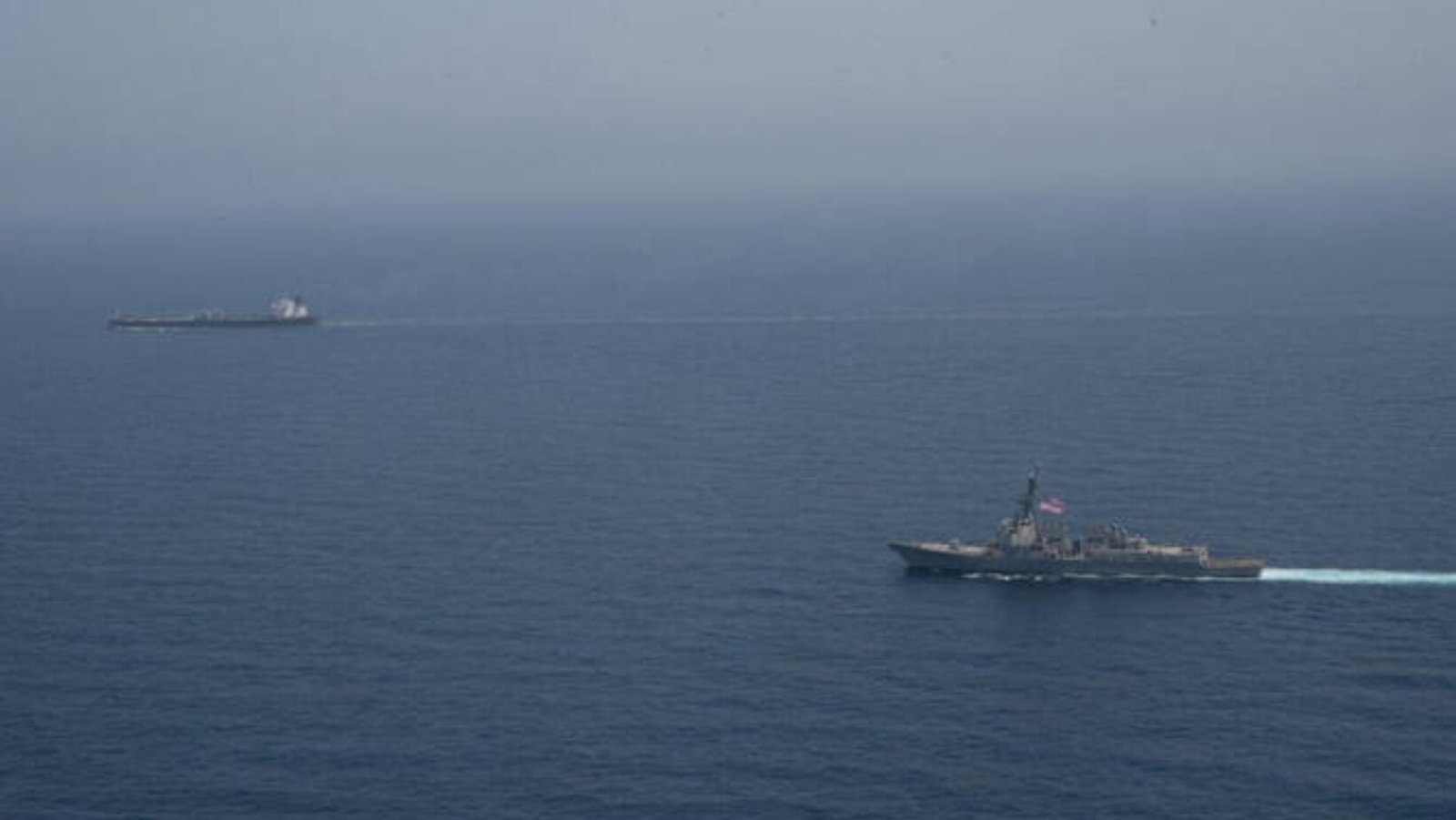
The situation worsened after reports that US forces seized an Iranian cargo vessel, prompting Tehran to threaten retaliation. These developments have placed the fragile ceasefire under significant strain.
In my opinion, this cycle of action and reaction is a major barrier to progress. Without restraint from both sides, tensions are likely to continue rising.
EU supports ongoing diplomatic efforts
EU urges Hormuz Strait reopening amid Iran-US tensions also highlights the bloc’s support for diplomatic solutions. Costa emphasized that the EU backs all efforts aimed at resolving the conflict through dialogue.
This approach aligns with the EU’s traditional role as a promoter of multilateral diplomacy and peaceful conflict resolution. By encouraging negotiations, the EU hopes to prevent further escalation.
From my perspective, diplomacy remains the most viable path forward, even if progress appears slow.
Lebanon situation adds to regional concern
EU urges Hormuz Strait reopening amid Iran-US tensions is further complicated by concerns about instability in Lebanon. Costa expressed deep concern about the situation there, indicating that the crisis extends beyond a single issue.
Regional conflicts are often interconnected, and instability in one area can quickly spread to others. This makes comprehensive solutions even more challenging.
In my view, addressing the broader regional context is essential for achieving lasting peace.
Maritime control remains key sticking point
EU urges Hormuz Strait reopening amid Iran-US tensions reflects ongoing disputes over control of maritime routes. Iran has alternated between allowing and restricting access to the Strait, while the US continues to enforce its blockade.
This tug-of-war has created uncertainty for shipping companies and global markets. Stability in maritime routes is crucial for maintaining economic balance.
I believe that resolving this issue will require compromise from both sides, as neither can achieve complete control without consequences.
Global pressure mounts for resolution
EU urges Hormuz Strait reopening amid Iran-US tensions shows that international pressure is increasing. Countries around the world are calling for immediate action to restore normal shipping operations.
The longer the situation continues, the greater the impact on global trade and economic stability. This adds urgency to diplomatic efforts.
From my perspective, global pressure can be a powerful force, but it must be accompanied by practical solutions to be effective.
Conclusion: urgent need for de-escalation
EU urges Hormuz Strait reopening amid Iran-US tensions underscores the urgency of resolving the crisis. With global energy supplies at risk and regional stability under threat, the need for immediate action is clear.
While diplomatic efforts continue, the outcome will depend on the willingness of both Iran and the United States to find common ground. The reopening of the Strait remains a critical step toward restoring stability.
In my opinion, this situation serves as a reminder of how interconnected global systems are. A disruption in one region can have far-reaching consequences, making cooperation more important than ever.
For more global diplomacy updates, energy news, and Middle East coverage, visit TimeOfGulf for trusted insights, analysis, and breaking stories daily.

Simply a smiling visitant here to share the love (:, btw outstanding design.