
Iran-US peace talks delay as ceasefire deadline looms amid rising tensions and fragile diplomacy
Iran-US peace talks delay as ceasefire deadline looms raises urgency for a lasting agreement
The Iran-US peace talks delay as ceasefire deadline looms has intensified uncertainty across the Middle East, as both Washington and Tehran struggle to align their expectations. The absence of a confirmed date for the next round of negotiations signals deeper structural disagreements rather than a simple scheduling issue.
Speaking at the Antalya Diplomacy Forum in Antalya, Iran’s deputy foreign minister Saeed Khatibzadeh made it clear that Tehran is not willing to proceed without first establishing a clear framework. His remarks reflect a cautious diplomatic approach aimed at avoiding failed talks that could worsen tensions.
Iran US negotiations delay creates diplomatic uncertainty
The Iran-US peace talks delay as ceasefire deadline looms highlights how fragile the current situation is. Negotiations between long-time adversaries are rarely straightforward, but the current pause suggests a lack of trust that continues to define their relationship. Iran appears determined to avoid entering discussions that could collapse quickly, while the United States seems more focused on rapid progress.
In my view, this difference in pace is one of the biggest obstacles. Diplomacy requires timing, but it also requires mutual confidence. When one side pushes for speed and the other insists on caution, progress becomes difficult.
Trump Iran ceasefire warning raises pressure on Tehran
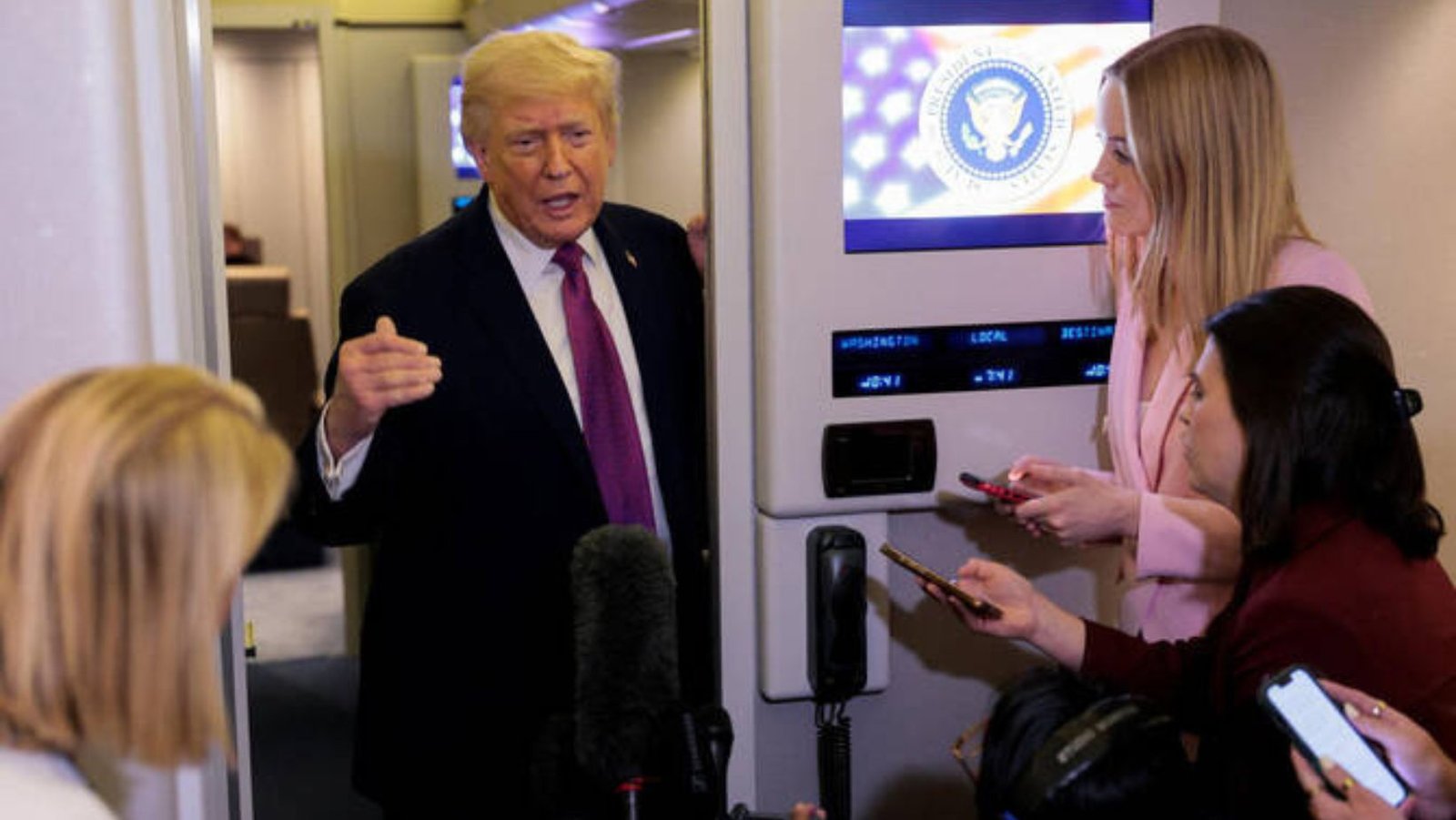
US President Donald Trump has added urgency by warning that the ceasefire could end if no agreement is reached soon. His remarks suggest that Washington is prepared to return to military pressure if diplomacy fails. The Iran-US peace talks delay as ceasefire deadline looms is therefore not just a diplomatic issue but a potential security crisis.
At the same time, Trump has expressed optimism, claiming that a deal is close and that there are no major obstacles remaining. This contrast between warning and optimism creates confusion, not only for Iran but also for international observers.
Personally, this mixed messaging may be doing more harm than good. Clear and consistent communication is essential in sensitive negotiations. Without it, even genuine progress can be overshadowed by doubt.
Iran foreign ministry stresses need for talks framework
The Iran-US peace talks delay as ceasefire deadline looms largely revolves around one key issue: the framework for negotiations. Iran insists that without a mutually agreed structure, talks are likely to fail. This position reflects lessons learned from previous diplomatic efforts that ended without lasting results.
From a strategic perspective, Iran’s approach makes sense. Entering negotiations without clear terms can lead to misunderstandings and, ultimately, breakdowns. However, this cautious stance also slows the process, which may frustrate the United States.
In my opinion, both sides need to find a balance. A strong framework is essential, but so is momentum. Without some level of compromise, the process risks becoming stagnant.
Middle East peace negotiations face new challenges
The Iran-US peace talks delay as ceasefire deadline looms is not happening in isolation. It is part of a broader pattern of instability in the region. Any failure in these talks could have ripple effects, impacting neighboring countries and global markets.
Regional players are watching closely, aware that renewed conflict could disrupt trade routes and energy supplies. The stakes are high, and the cost of failure could extend far beyond the two countries directly involved.
In my view, this is why international mediation efforts are so important. When tensions reach this level, third-party involvement can help bridge gaps and maintain dialogue.
Ceasefire extension Iran US remains uncertain
One of the most immediate concerns is whether the ceasefire will hold. The Iran-US peace talks delay as ceasefire deadline looms has created uncertainty about what happens next. If the deadline passes without an agreement, the risk of escalation increases significantly.
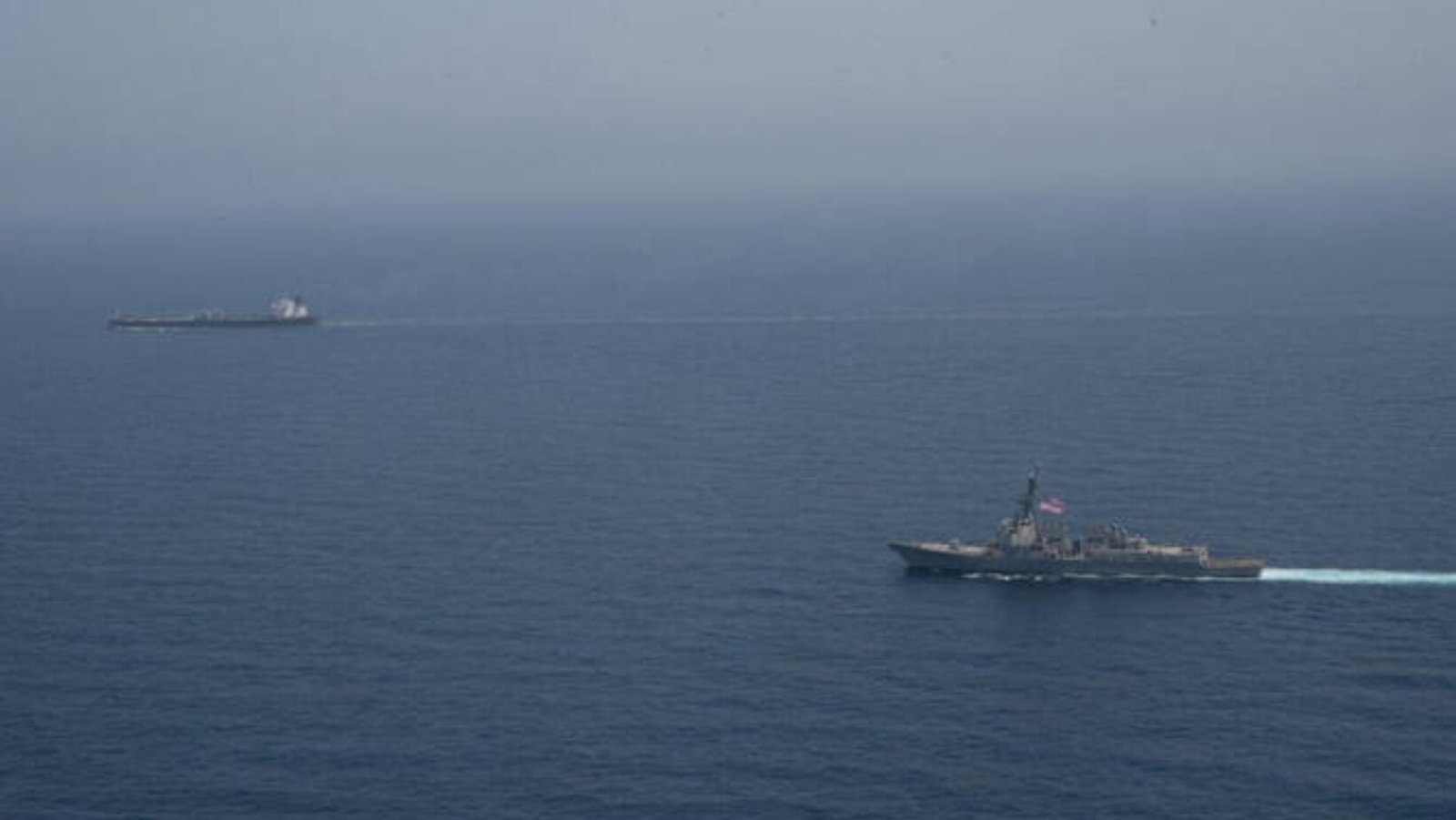
The United States has indicated that pressure tactics, including blockades, will continue regardless of the outcome. This suggests that even if talks resume, they will do so under significant strain.
I believe this approach carries risks. While pressure can bring parties to the table, it can also harden positions and reduce willingness to compromise.
Antalya diplomacy forum highlights global concern
The discussions at the Antalya forum underline the global importance of these negotiations. The Iran-US peace talks delay as ceasefire deadline looms has drawn attention from diplomats and analysts worldwide, all of whom recognize the potential consequences of failure.
Khatibzadeh’s remarks about inconsistent US messaging point to a deeper issue of trust. Without trust, even well-structured negotiations can struggle to produce results.
From my perspective, rebuilding trust should be a priority. This does not happen overnight, but small, consistent steps can make a difference over time.
A critical moment for diplomacy
The Iran-US peace talks delay as ceasefire deadline looms represents a critical moment for both countries. The choices made in the coming days could determine whether the region moves toward stability or renewed conflict.
While both sides have expressed a willingness to reach an agreement, their differing approaches continue to slow progress. Iran’s focus on structure and the US emphasis on speed must somehow be reconciled.
In my opinion, the solution lies in compromise. Neither side is likely to achieve all its objectives, but a balanced agreement could still deliver meaningful progress.
Conclusion: uncertainty with cautious hope
The Iran-US peace talks delay as ceasefire deadline looms serves as a reminder of how complex international diplomacy can be. Conflicting priorities, communication gaps, and historical tensions all play a role in shaping the outcome.
Despite these challenges, there is still reason for cautious optimism. Both sides have indicated that a deal is possible, and ongoing diplomatic efforts suggest that dialogue remains open.
Ultimately, the success of these talks will depend on the willingness of both parties to move beyond their differences and focus on shared interests. If they can do so, the current delay may prove to be a temporary setback rather than a lasting failure.
For more updates and in-depth analysis, visit TimeOfGulf.

2 thoughts on “Iran-US peace talks delay as ceasefire deadline looms amid rising tensions and fragile diplomacy”