
UN nuclear chief Iran nuclear checks US Iran deal war urges strict verification as Iran talks continue amid global tensions 2026
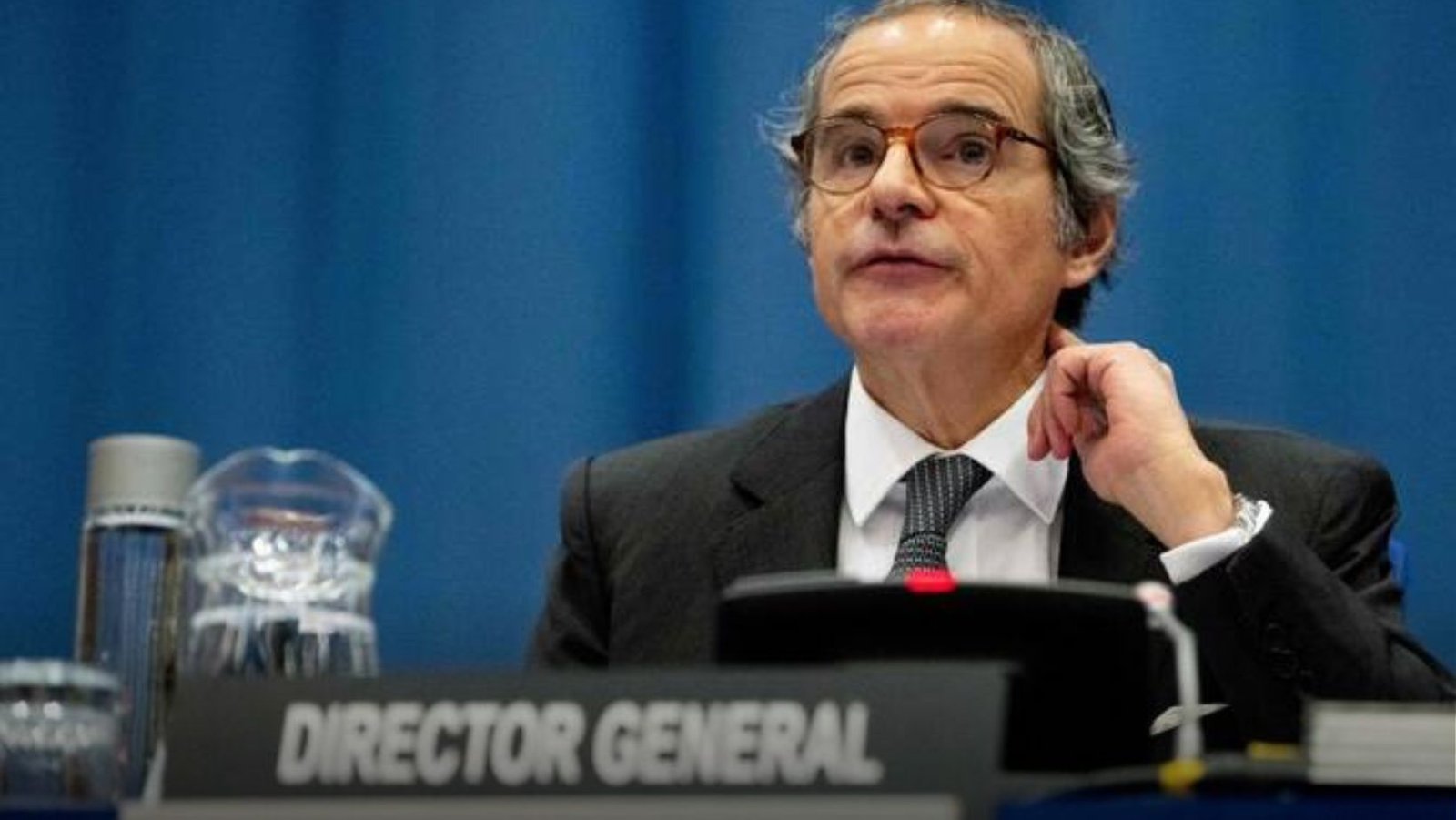
IAEA Iran verification nuclear agreement and global security concerns
Discussions around UN nuclear chief Iran nuclear checks US Iran deal war have gained urgency after the International Atomic Energy Agency (IAEA) chief stressed that any future agreement between Washington and Tehran must include strict and detailed monitoring systems. The remarks come at a time when diplomatic efforts are ongoing to restart stalled negotiations aimed at ending the conflict in the Middle East.
Rafael Grossi stressed that any future nuclear agreement must include detailed inspection systems. He warned that without proper monitoring, any deal would lack credibility and could not guarantee compliance from all sides involved in the negotiations.
The IAEA chief emphasized that Iran’s nuclear program is extensive and complex, requiring continuous international oversight to ensure that all activities remain peaceful and transparent.
Rafael Grossi nuclear inspection warning Iran and verification demand
The UN nuclear chief Iran nuclear checks US Iran deal war statement highlights growing international concern over Iran’s nuclear activities and the level of access provided to inspectors. Grossi explained that verification is not optional but a critical part of any diplomatic agreement.
He stated that inspectors must be allowed to conduct regular and thorough checks to ensure that uranium enrichment and other sensitive processes are not diverted toward weapons development. Without this level of transparency, he warned, trust between parties cannot be established.
Grossi’s comments reflect long-standing concerns among Western governments and international agencies about Iran’s nuclear ambitions and the limitations of existing monitoring frameworks.
US Iran talks nuclear program monitoring and diplomatic challenges
The UN nuclear chief Iran nuclear checks US Iran deal war debate comes as the United States and Iran continue indirect and direct discussions aimed at reaching a new nuclear understanding. However, progress remains slow due to disagreements over inspection rights and enforcement mechanisms.
Negotiators are reportedly divided over how much access should be granted to international inspectors and what enforcement tools should be used in case of violations. These issues remain central to the diplomatic impasse.
Despite these challenges, both sides have expressed willingness to continue discussions, although no final agreement has been reached so far.
Iran uranium enrichment IAEA oversight and technical concerns
A major point of concern in the UN nuclear chief Iran nuclear checks US Iran deal war situation is Iran’s uranium enrichment level. International reports suggest that Iran maintains a significant stockpile of enriched uranium, which is close to weapons-grade levels.
The International Atomic Energy Agency has repeatedly warned that such material requires strict and frequent monitoring. Even small changes in enrichment levels can have major implications for regional and global security.
The agency has also noted difficulties in verifying certain sites due to limited access, which has further complicated its monitoring efforts.
Nuclear watchdog inspection compliance system and access limitations
The UN nuclear chief Iran nuclear checks US Iran deal war issue also reflects broader challenges faced by international inspectors operating in politically sensitive environments. Access restrictions and security concerns have limited the ability of inspectors to fully assess Iran’s nuclear activities.
In recent reports, the IAEA has stated that it cannot fully confirm the status of certain enrichment-related operations or the exact size of Iran’s uranium stockpile. These gaps in information increase uncertainty and raise concerns among global policymakers.
The agency continues to call for full cooperation from Iran to ensure accurate verification and reduce risks of misunderstanding or escalation.
Middle East war diplomatic nuclear concerns and global pressure
The UN nuclear chief Iran nuclear checks US Iran deal war discussion is also closely linked to the broader conflict in the Middle East. The ongoing war has increased pressure on all parties to find a diplomatic solution that addresses both security and nuclear concerns.
International actors have warned that failure to reach an agreement could further destabilize the region. As a result, diplomatic pressure continues to build on both Washington and Tehran to return to negotiations.
Global markets and regional security structures remain highly sensitive to developments in the talks, making progress on verification measures even more urgent.
International atomic energy agency Iran report and monitoring gaps
Recent findings from the International Atomic Energy Agency have highlighted significant gaps in information regarding Iran’s nuclear program. The UN nuclear chief Iran nuclear checks US Iran deal war situation reflects these ongoing concerns about transparency and verification.
The agency has stated that it cannot fully verify whether Iran has suspended all enrichment-related activities at affected facilities. It has also raised questions about the accuracy of reported uranium stockpiles.
These uncertainties have reinforced the agency’s demand for stronger inspection mechanisms and clearer access rights under any future agreement.
Nuclear deal verification mechanism update and future outlook
The UN nuclear chief Iran nuclear checks US Iran deal war debate is expected to remain central to ongoing diplomatic efforts between Iran and the United States. While negotiations continue, the lack of agreement on verification mechanisms remains a major obstacle.
Experts believe that without a robust inspection framework, any future deal would face serious challenges in implementation and credibility. As talks progress, the focus is likely to remain on how to balance Iran’s sovereignty concerns with international security requirements.
The coming weeks will be crucial in determining whether a workable agreement can be achieved or whether negotiations will continue to stall.
For more latest geopolitical updates and nuclear diplomacy coverage, visit TimeofGulf.

At this time it appears like Expression Engine is the top blogging platform available right now. (from what I’ve read) Is that what you are using on your blog?