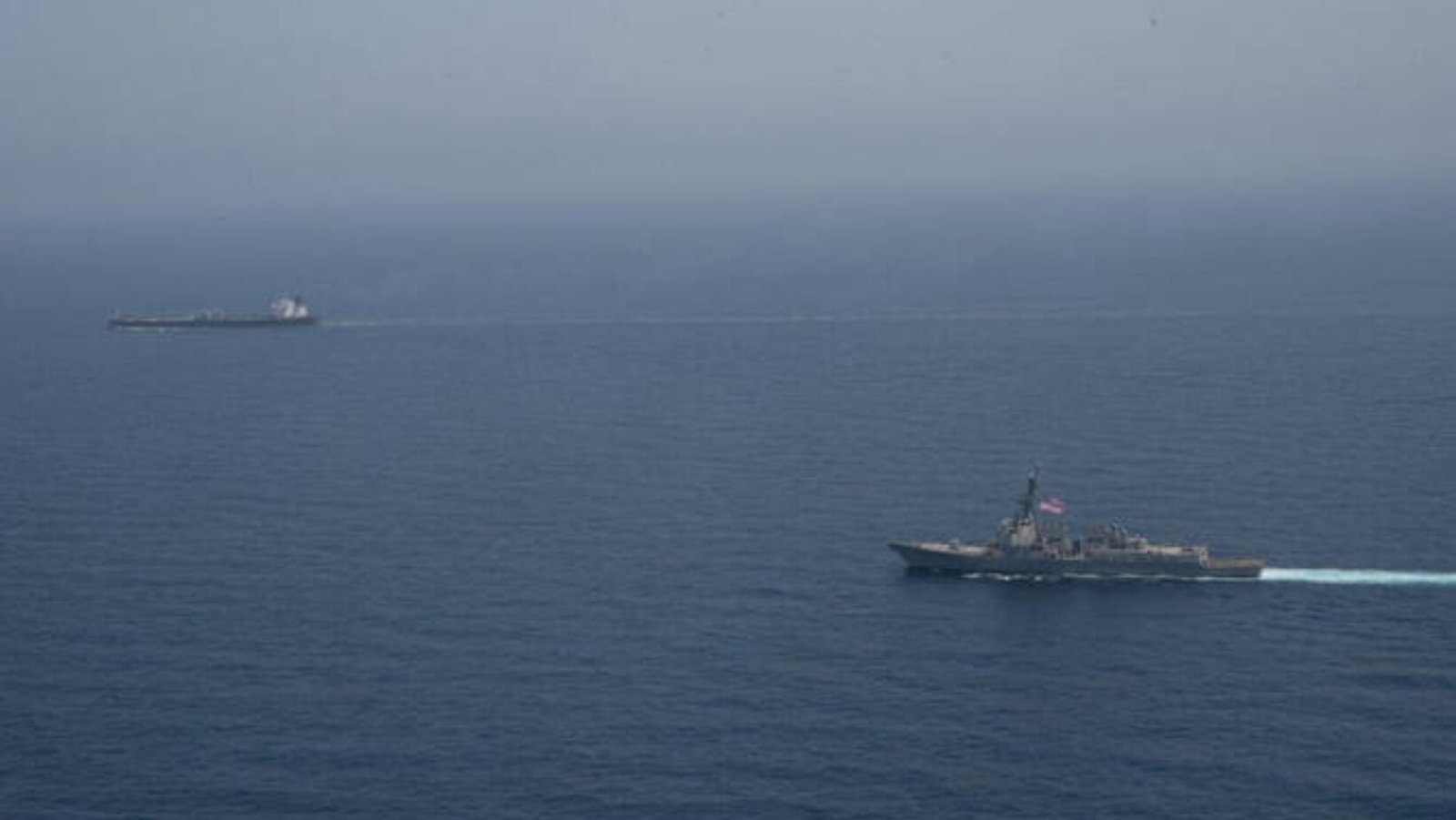
US sanctioned tankers pass Strait Hormuz blockade despite naval restrictions in Gulf shipping routes 2026
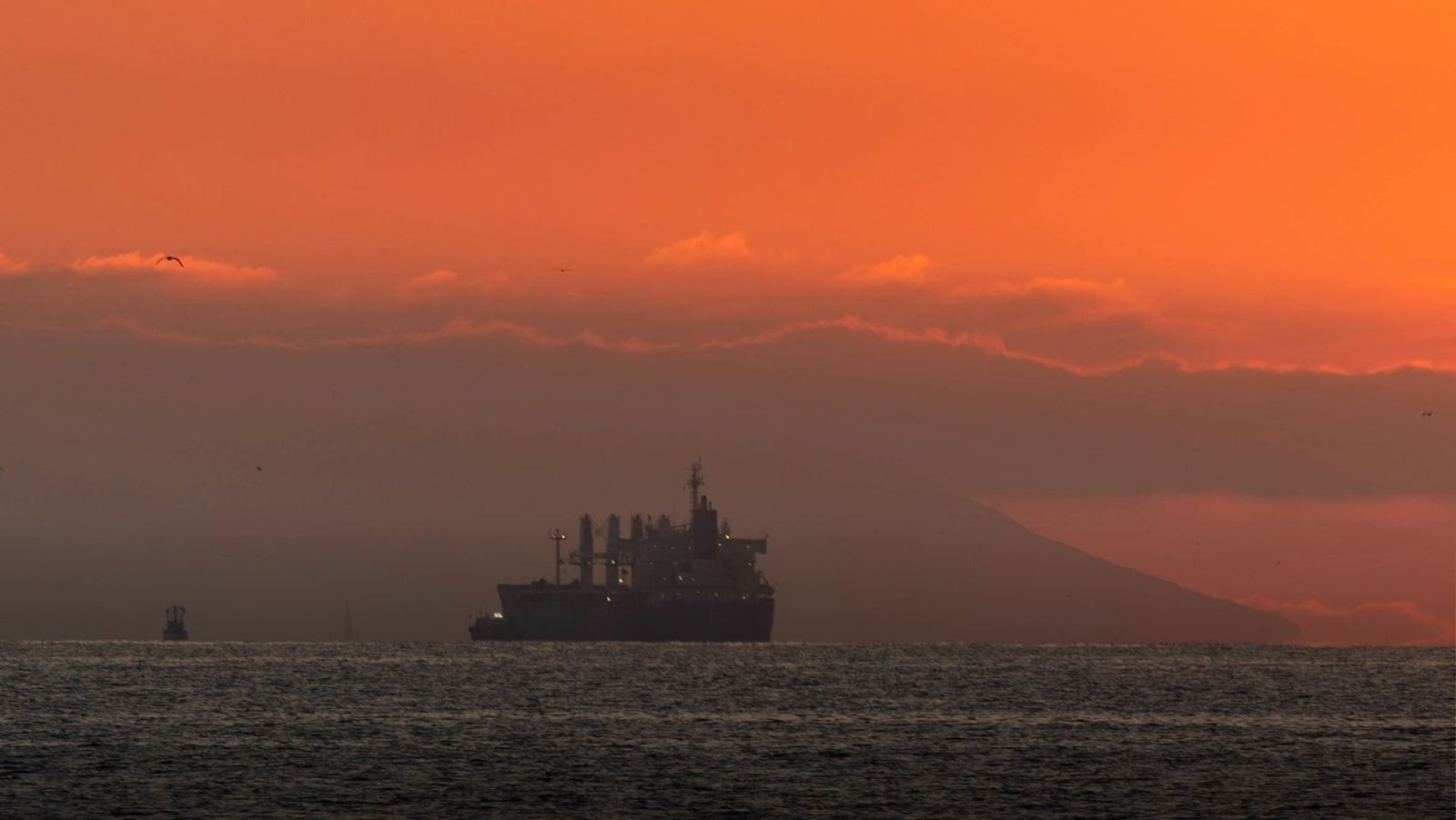
US sanctioned tankers pass Strait Hormuz blockade highlight maritime tensions and global oil route risks
Strait of Hormuz blockade shipping data and tanker movement update
A US sanctioned tankers pass Strait Hormuz blockade development has emerged after shipping data confirmed that a sanctioned vessel successfully crossed the strategic waterway despite a US naval blockade. The tanker identified as Rich Starry moved through the Strait of Hormuz and exited the Gulf, marking a significant moment since the restrictions began.
Data from maritime tracking platforms including LSEG, MarineTraffic, and Kpler showed that the vessel completed its transit without interruption. The US sanctioned tankers pass Strait Hormuz blockade incident highlights the challenges of enforcing maritime restrictions in one of the world’s busiest and most sensitive shipping routes.
Chinese tanker Rich Starry Hormuz crossing and cargo details
The tanker involved in the US sanctioned tankers pass Strait Hormuz blockade case is a Chinese-owned vessel carrying approximately 250,000 barrels of methanol. Reports indicate that the cargo was loaded at Hamriyah port in the United Arab Emirates before the vessel entered the strait.
The ship is operated by a Chinese company that has been sanctioned by the United States due to its involvement in trade activities linked to Iran. Despite these sanctions, the tanker’s successful passage underscores ongoing complexities in monitoring and controlling maritime trade flows.
US sanctions tanker Iran oil trade and enforcement challenges
The US sanctioned tankers pass Strait Hormuz blockade situation reflects broader enforcement challenges tied to US sanctions on vessels associated with Iranian oil and related products. These sanctions are intended to limit economic activity linked to Iran’s energy sector, but monitoring compliance across international waters remains difficult.
Shipping data indicates that another sanctioned tanker, Murlikishan, also entered the Strait of Hormuz. The vessel is expected to load fuel oil from Iraq, further highlighting continued movement of sanctioned or monitored vessels in the region.
Gulf shipping routes disruption update and energy market impact
The US sanctioned tankers pass Strait Hormuz blockade development raises concerns about the stability of global energy supply routes. The Strait of Hormuz is one of the most critical chokepoints for oil shipments, with a significant portion of the world’s energy supply passing through it.
Any disruption or uncertainty in this region can have immediate effects on oil prices, shipping costs, and broader economic conditions. The continued movement of tankers despite restrictions indicates that global energy trade remains active, even amid geopolitical tensions.
Maritime tracking LSEG MarineTraffic Kpler and real time monitoring
Maritime intelligence platforms such as LSEG, MarineTraffic, and Kpler played a key role in identifying the US sanctioned tankers pass Strait Hormuz blockade event. These systems provide real-time tracking of vessel movements, offering transparency into global shipping activity.
Such tools are increasingly important in monitoring compliance with sanctions and understanding the flow of goods across international waters. However, the latest developments show that tracking alone does not necessarily prevent vessels from completing their journeys.
Middle East oil trade tensions and geopolitical dynamics
The US sanctioned tankers pass Strait Hormuz blockade incident comes amid rising tensions in the Middle East, where energy security and maritime access remain central concerns. The region continues to play a crucial role in global oil supply, making any developments in shipping routes highly significant.
Geopolitical dynamics, including sanctions, military presence, and diplomatic relations, all influence how shipping activity unfolds in the Gulf. The ability of sanctioned vessels to operate highlights ongoing complexities in the region.
Global energy supply route security and future outlook
The US sanctioned tankers pass Strait Hormuz blockade case is likely to influence future discussions on maritime security and enforcement strategies. Governments and international organizations may reassess how to strengthen monitoring and control over critical shipping lanes.
As global demand for energy continues, ensuring the security of key routes like the Strait of Hormuz will remain a top priority. The latest developments demonstrate that despite restrictions, shipping activity continues, reflecting the resilience and complexity of global trade networks.
For more latest breaking news, oil market updates, and global shipping developments, visit TimeofGulf.