
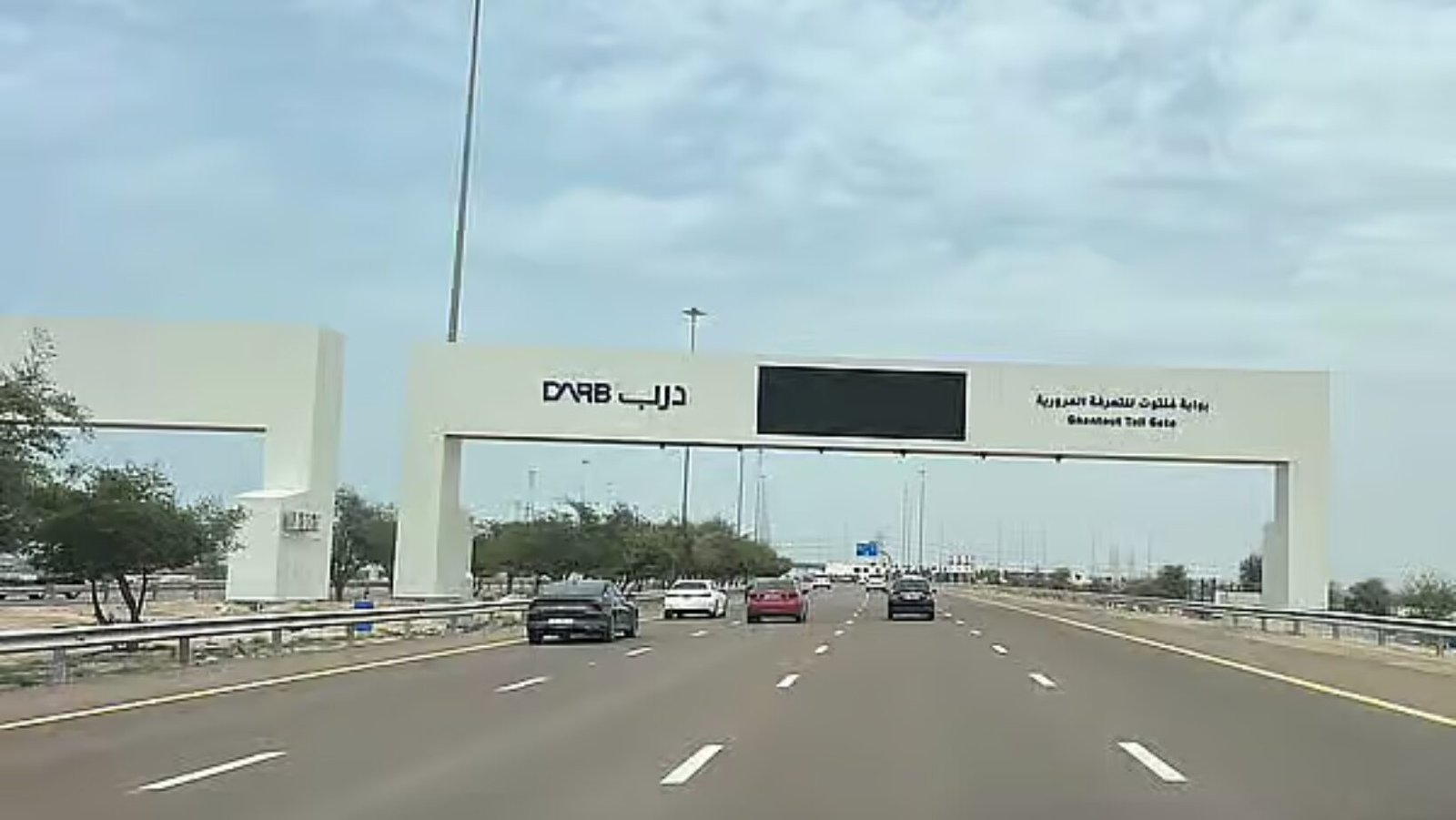
Gulf states on alert after US Iran talks collapse shakes global oil markets and raises Strait of Hormuz fears
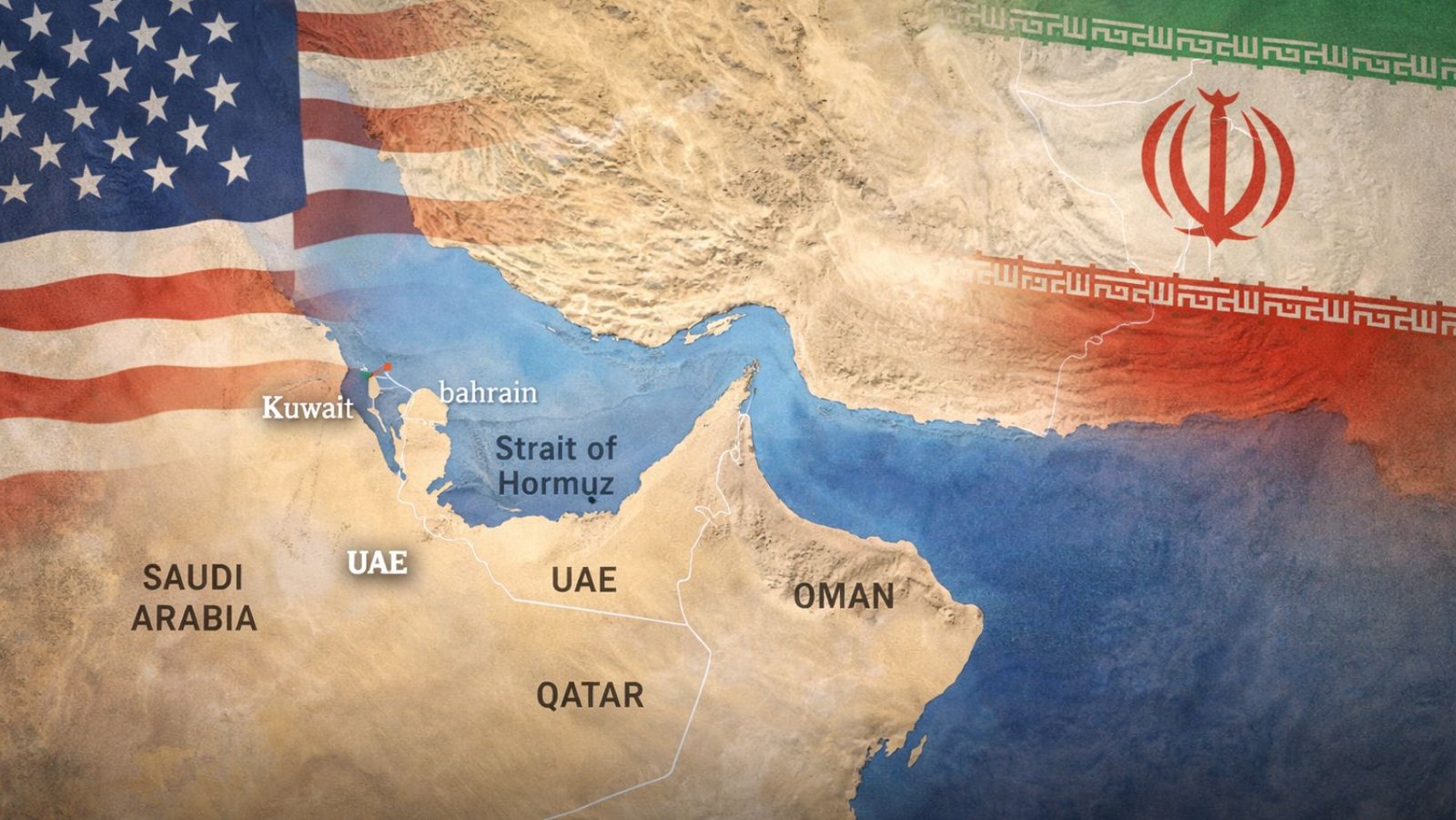
Gulf states on alert after US Iran talks collapse triggers global energy uncertainty
The breakdown of diplomatic negotiations between the United States and Iran has created fresh uncertainty across global political and energy markets. The failure of recent talks has not only weakened hopes of de-escalation but has also placed Gulf countries in a state of heightened caution as tensions in the Middle East begin to rise again.
The situation has developed at a sensitive time when global economies are already struggling with inflation pressures and unstable energy supply chains. The collapse of discussions has pushed policymakers, investors, and shipping companies to reassess risks in one of the world’s most critical energy corridors.
The focus keyword Gulf states on alert after US Iran talks collapse reflects growing regional anxiety as governments in the Gulf Cooperation Council (GCC) closely monitor developments that could directly affect oil exports, maritime safety, and economic stability.
US Iran negotiations failure raises geopolitical risk
The failed talks between Washington and Tehran highlight the ongoing complexity of resolving long-standing political disputes. Despite multiple rounds of indirect discussions, no meaningful agreement was reached on sanctions, nuclear oversight, or regional security arrangements.
Donald Trump has maintained a strong position, signaling that the United States will not wait indefinitely for diplomatic progress. This stance has increased uncertainty about whether future talks will take place or whether pressure-based strategies will dominate US policy.
As a result, Gulf states on alert after US Iran talks collapse has become a defining narrative in regional discussions, as countries prepare for potential economic and security consequences.
Strait of Hormuz tension intensifies global concerns
One of the most critical areas of concern is the Strait of Hormuz, a narrow but vital waterway through which a large portion of global oil shipments pass daily. Any disruption in this region can have immediate consequences for global energy supply and pricing.
Strait of Hormuz has historically been a sensitive geopolitical zone, and renewed tensions are increasing fears of shipping disruptions or military escalation.
Shipping companies are already adjusting routes and increasing precautionary measures. Insurance premiums for vessels operating in the region have started to reflect higher risk levels, indicating that markets are pricing in uncertainty.
GCC economies monitor oil price volatility closely
The Gulf Cooperation Council countries rely heavily on oil revenues, making them highly sensitive to global price fluctuations. Any escalation in regional tensions often leads to immediate changes in crude oil prices due to risk premiums added by traders.
Saudi Arabia, the UAE, Kuwait, Qatar, Bahrain, and Oman are all expected to maintain production stability, but external shocks can still influence revenue forecasts and investment strategies.
Gulf states on alert after US Iran talks collapse also highlights concerns over fiscal planning, as governments may need to adjust long-term budgets if oil markets remain unstable.
Global oil markets react to rising uncertainty
Oil markets are highly responsive to geopolitical events, and the breakdown of US-Iran discussions has already influenced investor sentiment. Traders are increasingly cautious, with many shifting toward safer assets while waiting for clearer signals.
Even without physical disruption, the perception of risk alone is enough to push prices upward. Analysts suggest that speculative trading could increase volatility in the short term.
The energy market’s sensitivity means that Gulf states on alert after US Iran talks collapse is not just a regional issue but a global economic concern affecting importers and exporters alike.
Maritime security and shipping industry pressure increases
Shipping companies operating in Gulf waters are facing rising operational challenges. Higher insurance costs, rerouting decisions, and increased security protocols are becoming common responses to geopolitical instability.
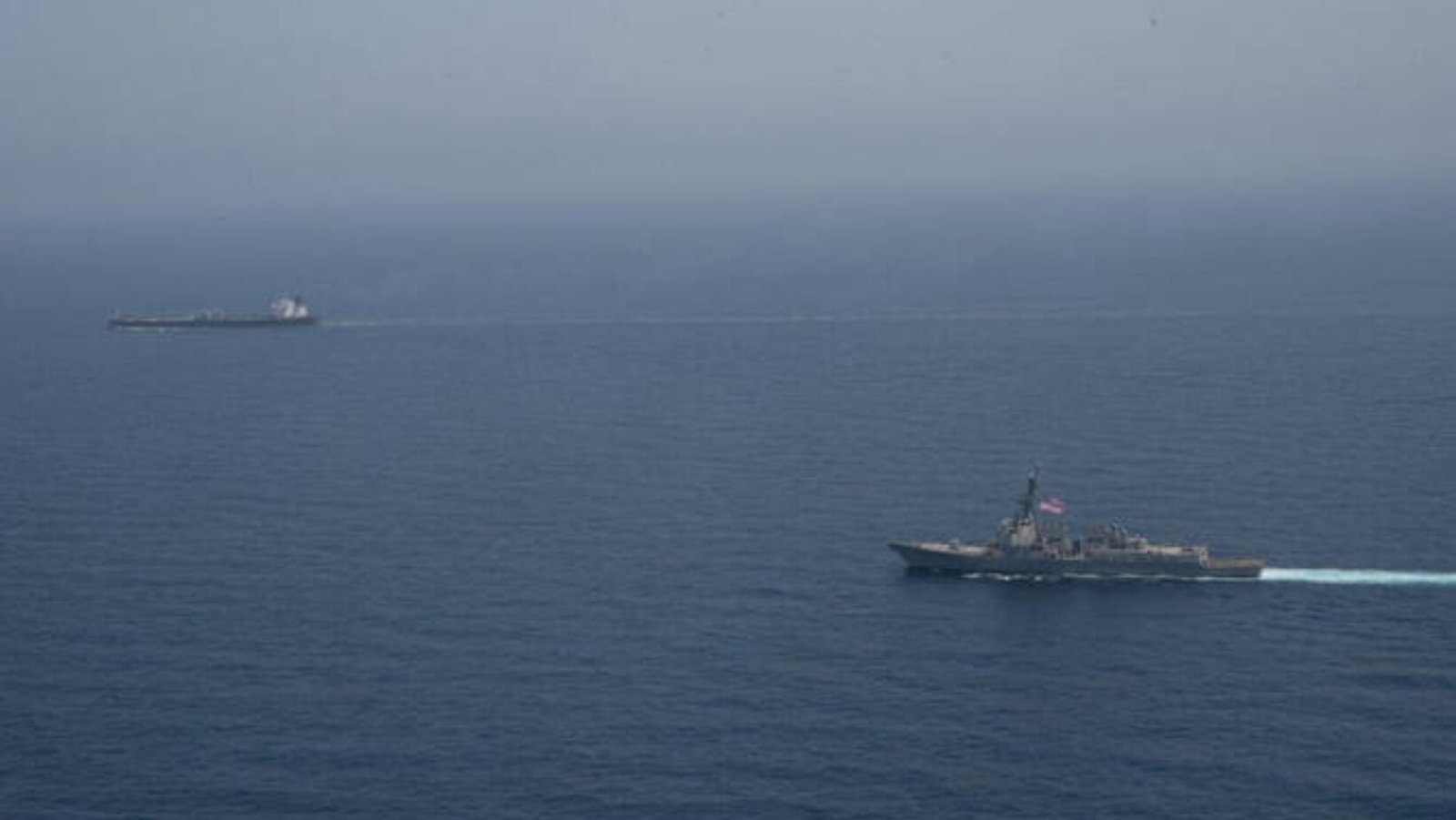
US Central Command continues to monitor maritime movement in the region, ensuring that commercial shipping lanes remain open while assessing potential threats.
Despite these measures, uncertainty remains high, and logistics companies are preparing contingency plans in case of escalation.
Public reaction across Gulf and global markets
Public sentiment in Gulf countries reflects cautious concern rather than panic. Citizens are closely following news developments, particularly due to the potential impact on fuel prices and cost of living.
Globally, people are increasingly conscious that rising oil prices can raise transport expenses, push up food costs, and drive overall inflation higher. This interconnectedness means that any disruption in the Gulf region can quickly affect households worldwide.
The phrase Gulf states on alert after US Iran talks collapse captures this shared sense of uncertainty that extends beyond political circles into everyday economic life.
Business and investment sector adjusts strategies
International companies are taking a cautious approach to investment planning in the region. Energy firms, logistics companies, and financial institutions are reviewing exposure levels to mitigate risk.
Foreign investors are particularly sensitive to geopolitical instability, as it can influence long-term returns and operational safety. As a result, some capital flows may temporarily slow until conditions stabilize.
However, analysts also note that the Gulf region remains one of the most important global energy hubs, meaning long-term investment interest is unlikely to disappear completely.
Iran’s position and regional response
Iran continues to emphasize resistance to external pressure while maintaining its regional influence. Officials have indicated that they will respond strongly to any perceived threats in nearby waters.
This firm stance adds another layer of complexity to the situation, as both sides remain far apart diplomatically.
The lack of progress in negotiations reinforces the reality behind Gulf states on alert after US Iran talks collapse, as regional governments must prepare for multiple possible outcomes.
Global economic implications of rising tension
Beyond energy markets, the global economy faces broader risks if instability continues. Higher oil prices can increase production costs across industries, contributing to inflation in both developed and developing economies.
Supply chain disruptions could also re-emerge if shipping routes are affected, impacting manufacturing, trade, and retail sectors.
Central banks may be forced to reconsider monetary policy strategies if inflation rises due to energy shocks.
Future outlook remains uncertain
The future of US-Iran relations remains unclear. While diplomatic channels have not been completely closed, trust between both sides has weakened significantly.
If negotiations resume, markets could stabilize quickly. However, prolonged stagnation in dialogue may continue to fuel volatility across global energy systems.
Gulf states on alert after US Iran talks collapse remains a central issue shaping geopolitical discussions, with governments, businesses, and investors closely watching every development.
For now, the world remains in a cautious waiting phase, with attention focused on whether diplomacy can return or whether tensions will escalate further.
Stay updated with global energy and Gulf political developments on TimeOfGulf for breaking news and expert analysis.

It’s really a nice and useful piece of information. I’m glad that you shared this useful information with us. Please keep us up to date like this. Thanks for sharing.