

US fails to gain Iran trust in Islamabad talks as negotiations end without deal
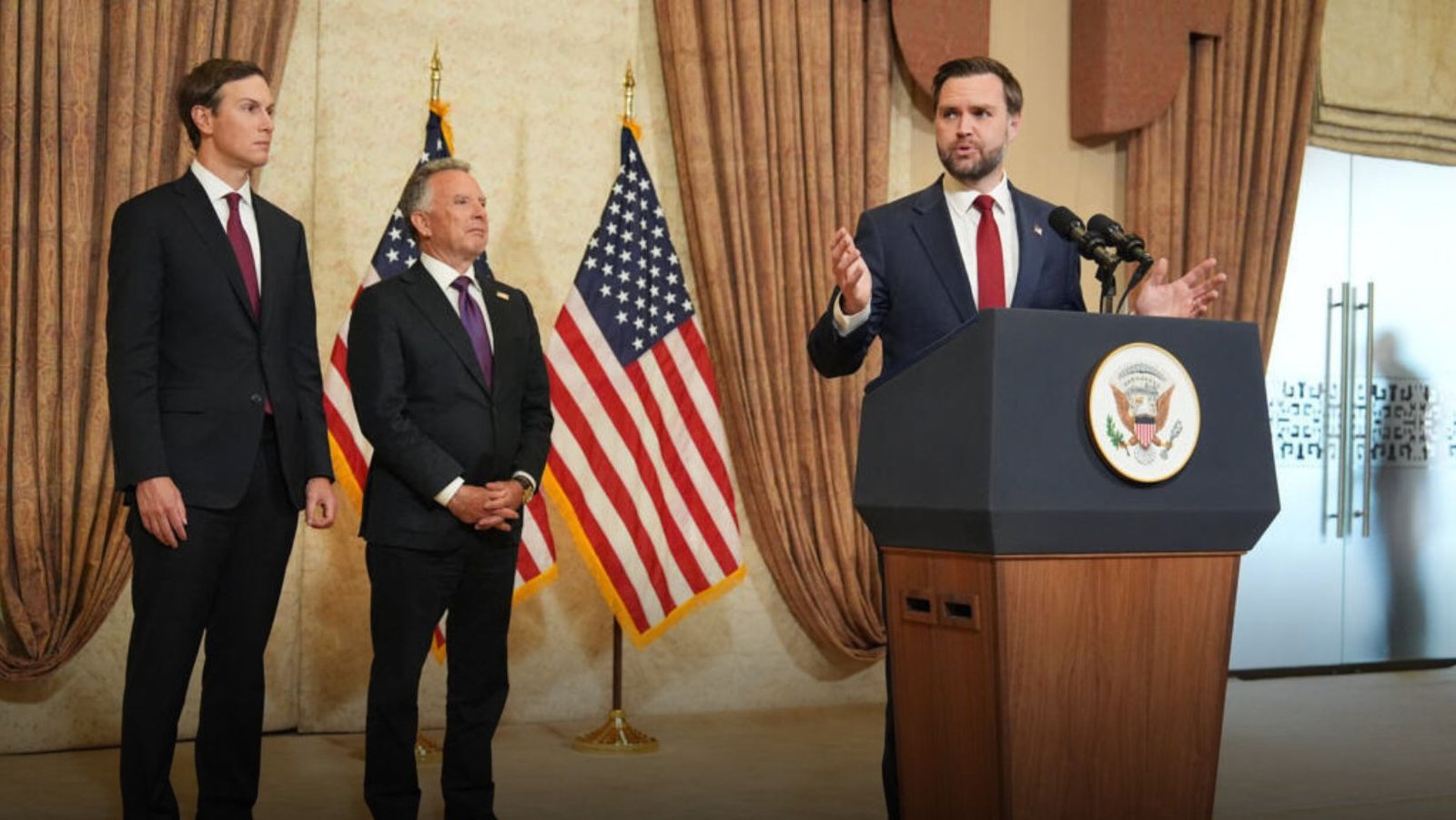
US fails to gain Iran trust in Islamabad talks amid rising diplomatic tensions
Talks between United States and Iran ended without agreement after extended negotiations in Islamabad, with Iranian officials stating that Washington failed to build the trust needed for progress. The US fails to gain Iran trust in Islamabad talks outcome highlights deep-rooted challenges that continue to shape relations between the two countries. Discussions lasted more than 20 hours but ultimately concluded without a breakthrough on key issues, including nuclear policy and regional security concerns.
Iranian representatives indicated that while they entered the talks prepared to engage constructively, longstanding mistrust remained a major barrier. The US fails to gain Iran trust in Islamabad talks reflects Tehran’s position that past experiences have influenced its expectations during negotiations. Officials emphasized that trust cannot be built quickly without clear commitments and mutual understanding between both sides.
Iran delegation highlights trust deficit in negotiations
Iran’s delegation leader stated that the core issue during the discussions was the lack of confidence in US intentions. The US fails to gain Iran trust in Islamabad talks was attributed to differences in expectations, particularly regarding guarantees and long-term commitments. Iranian officials suggested that without concrete assurances, progress in negotiations would remain limited.
They also pointed out that previous agreements have shaped current perceptions, making it difficult to move forward without addressing those concerns. The US fails to gain Iran trust in Islamabad talks demonstrates how historical tensions continue to influence present-day diplomacy. Trust, according to the delegation, remains the foundation for any meaningful agreement.
US position and key demands during talks
From the American side, officials stressed the importance of ensuring that Iran does not develop nuclear weapons. The US fails to gain Iran trust in Islamabad talks despite presenting proposals aimed at addressing global security concerns. US representatives maintained that their demands were necessary for maintaining stability in the region.
However, Iranian officials viewed these conditions as restrictive and not aligned with their national interests. The US fails to gain Iran trust in Islamabad talks illustrates how both sides remain divided on fundamental issues, making compromise difficult. Differences over nuclear capabilities and regional influence continue to dominate discussions.
Islamabad talks and ceasefire implications
The negotiations were closely linked to efforts to maintain a fragile ceasefire following recent conflict in the region. The US fails to gain Iran trust in Islamabad talks has raised concerns about the future of this ceasefire and the potential for renewed tensions. Observers note that without diplomatic progress, the risk of escalation remains.
Both sides had hoped that the talks would lead to confidence-building measures, but the lack of agreement has left uncertainty about next steps. The US fails to gain Iran trust in Islamabad talks underscores the importance of continued dialogue to prevent further instability in the region.
Pakistan role as mediator in high-level talks
Pakistan played a key role in hosting and facilitating the discussions, providing a platform for both sides to engage directly. Despite these efforts, the US fails to gain Iran trust in Islamabad talks outcome highlights the complexity of the issues involved. Mediators emphasized the need for patience and ongoing engagement to bridge differences.
Pakistan’s involvement reflects its broader commitment to supporting regional peace and stability. Officials have encouraged both parties to continue dialogue and explore opportunities for future negotiations.
Regional impact and global implications
The breakdown of talks has implications beyond the immediate participants, affecting global energy markets and regional security dynamics. The US fails to gain Iran trust in Islamabad talks has contributed to uncertainty in international markets, particularly in relation to oil supply and shipping routes.
Analysts suggest that continued diplomatic efforts will be necessary to stabilize the situation. The US fails to gain Iran trust in Islamabad talks serves as a reminder that resolving complex geopolitical disputes requires sustained commitment from all sides.
Future outlook for US Iran relations
Despite the lack of agreement, both countries have indicated that discussions may continue in the future. The US fails to gain Iran trust in Islamabad talks does not mark the end of diplomatic engagement but highlights the challenges ahead. Building trust will require time, consistent communication, and a willingness to compromise.
Experts believe that progress will depend on addressing core issues and finding common ground. The US fails to gain Iran trust in Islamabad talks emphasizes that diplomacy remains the most viable path forward, even in the face of setbacks.
Conclusion: trust remains central to diplomatic progress
The US fails to gain Iran trust in Islamabad talks highlights the importance of trust in international negotiations. Without mutual confidence, even extensive discussions may fail to produce meaningful results. The outcome of these talks reflects the ongoing challenges in resolving tensions between the two countries.
Moving forward, both sides will need to focus on rebuilding trust and maintaining open communication channels. The US fails to gain Iran trust in Islamabad talks shows that achieving lasting stability will require sustained diplomatic efforts and a commitment to dialogue.
For more updates on global diplomacy, Iran-US relations, and Middle East developments, follow ongoing coverage on TimeOfGulf.