Tankers Exit Gulf Via Strait of Hormuz After Ceasefire Eases Oil Flow
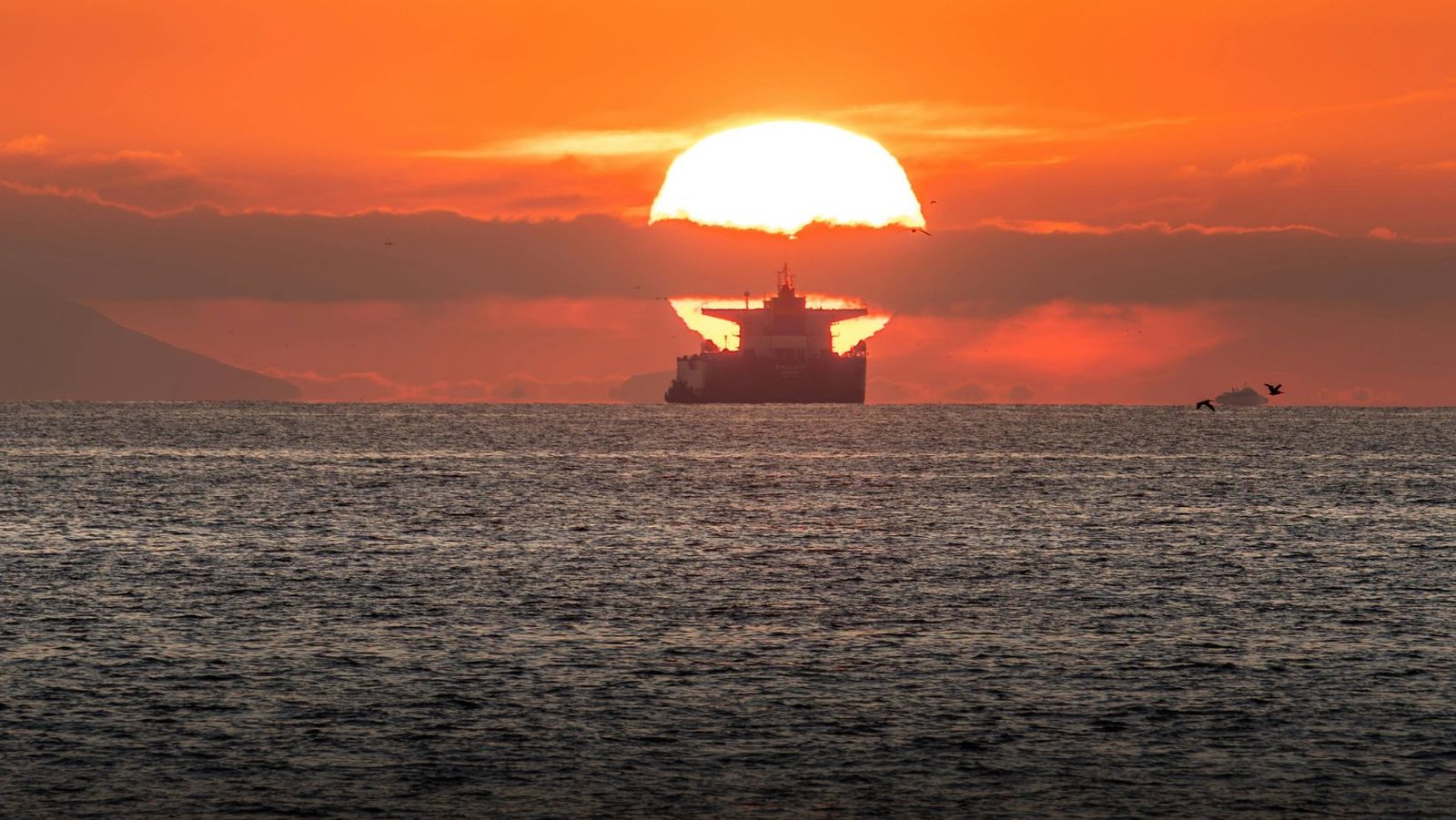
Tankers exit Gulf via Strait of Hormuz after ceasefire signals supply recovery
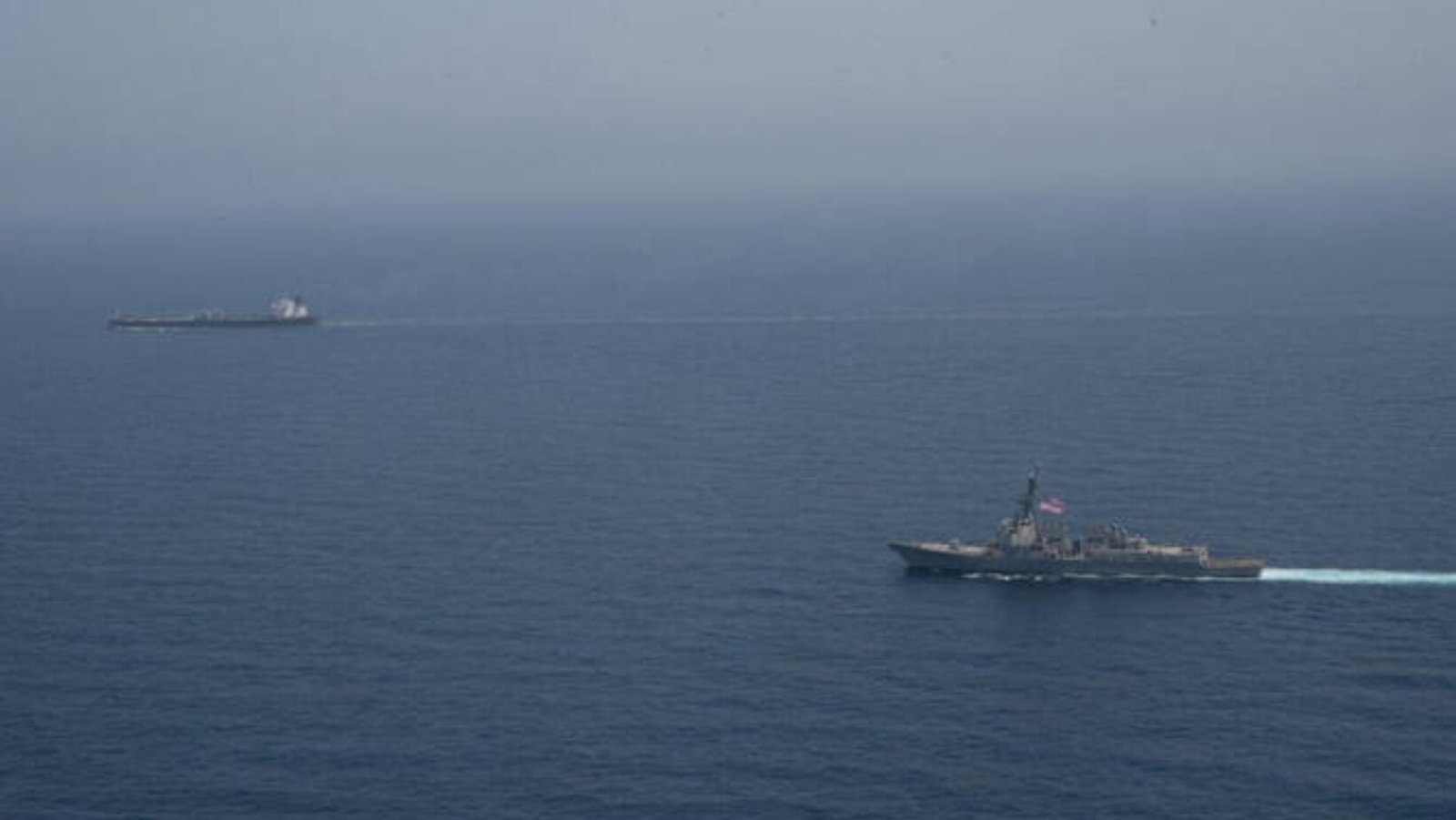
Three oil supertankers have successfully navigated through the Strait of Hormuz, marking a significant moment for global energy markets following a fragile ceasefire between Iran and the United States. The tankers exit Gulf via Strait of Hormuz after ceasefire development is being closely monitored as a potential sign of easing supply disruptions that have impacted oil markets worldwide. Shipping data confirmed that the vessels were fully loaded, indicating a cautious return to normal operations in one of the world’s most critical energy corridors.
The waterway, responsible for nearly 20 percent of global oil and liquefied natural gas shipments, has been at the center of geopolitical tensions in recent weeks. The tankers exit Gulf via Strait of Hormuz after ceasefire highlights early movement after a prolonged period of restricted maritime activity caused by conflict and security concerns.
VLCC tankers transit Strait of Hormuz and shipping data insights
According to maritime tracking data, three Very Large Crude Carriers (VLCCs) successfully transited the route using an alternative anchorage that avoids sensitive areas near Iran’s Larak Island. Each of these vessels has the capacity to carry up to two million barrels of crude oil, making their movement highly significant for global supply chains.
The tankers exit Gulf via Strait of Hormuz after ceasefire includes vessels such as Serifos, Cospearl Lake, and He Rong Hai, all of which completed their transit without reported incidents. Analysts note that this movement signals a cautious but important step toward restoring normal tanker traffic through the region.
Global oil supply disruption and energy market reaction
The blockage of the Strait of Hormuz had previously triggered major disruptions in global energy supplies, leading to sharp increases in oil prices. Markets reacted quickly to the news of resumed tanker movement, as traders anticipate improved supply flows if stability continues.
The tankers exit Gulf via Strait of Hormuz after ceasefire is expected to help ease pressure on global oil markets, although experts warn that the situation remains fragile. Continued cooperation between regional powers will be necessary to maintain safe passage for shipping vessels.
Tanker routes, destinations, and international trade impact
Shipping data indicates that the vessels are heading toward key destinations in Asia, including Malaysia and China, where demand for crude oil remains strong. One tanker carrying oil from Saudi Arabia and the United Arab Emirates is expected to arrive at Malaysia’s Malacca port later this month.
The tankers exit Gulf via Strait of Hormuz after ceasefire demonstrates the importance of uninterrupted shipping routes for maintaining global trade flows. Any disruption in this region can have immediate and widespread economic consequences.
Maritime operations and tanker clearance challenges
Despite the successful transit of a few vessels, hundreds of tankers remain in the Gulf awaiting clearance to pass through the Strait of Hormuz. Authorities are carefully managing traffic to ensure safety and prevent congestion in the narrow waterway.
The tankers exit Gulf via Strait of Hormuz after ceasefire represents only the beginning of a gradual normalization process. Maritime operators are continuing to assess risks and coordinate with regional authorities before resuming full-scale operations.
Regional tensions and security considerations
Although the ceasefire has allowed limited tanker movement, underlying tensions in the region remain unresolved. Security concerns continue to influence shipping decisions, with many operators taking a cautious approach before sending additional vessels through the strait.
The tankers exit Gulf via Strait of Hormuz after ceasefire underscores the delicate balance between geopolitical stability and economic necessity. Any escalation could once again disrupt vital shipping lanes and impact global energy markets.
Conclusion: cautious recovery in global oil shipping
The tankers exit Gulf via Strait of Hormuz after ceasefire marks an important step toward restoring global oil supply chains after weeks of disruption. While the successful transit of these vessels offers hope for improved stability, the situation remains uncertain.
As more tankers prepare to move through the strait, the focus will remain on maintaining safe and secure passage in one of the world’s most strategic maritime routes. The tankers exit Gulf via Strait of Hormuz after ceasefire highlights both progress and ongoing challenges in ensuring uninterrupted energy flows.
For more updates on global energy markets, shipping routes, and international developments, follow ongoing coverage on TimeOfGulf.