
South Korea president clashes with Israel rights disinfo claims amid escalating diplomatic tensions
South Korea Israel diplomatic tensions escalate over video claims
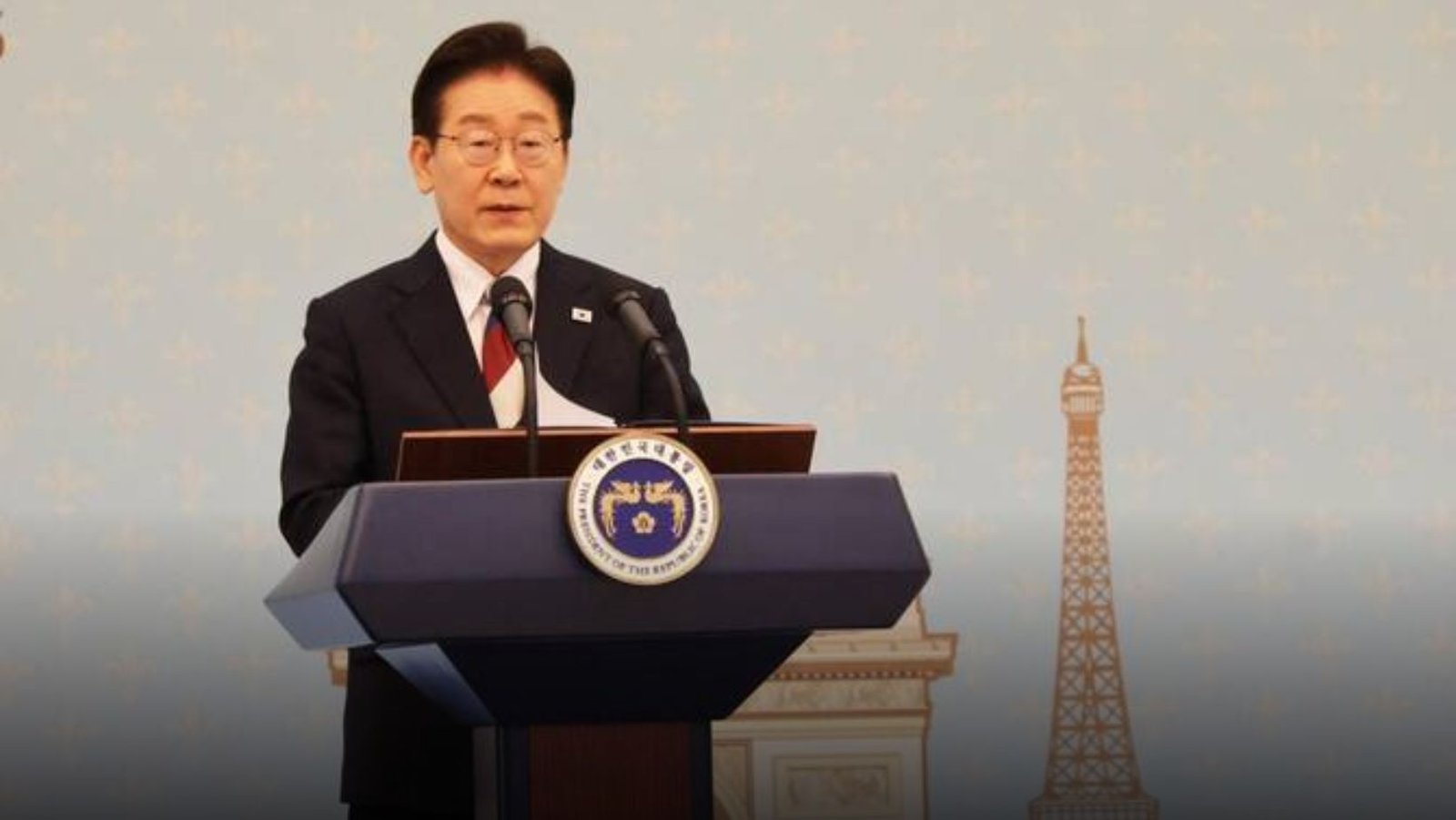
South Korean President Lee Jae-myung has sparked a diplomatic dispute with Israel after raising concerns about alleged human rights abuses linked to Israeli forces. The controversy began after he commented on a social media video that allegedly showed misconduct by soldiers in the occupied territories.
The incident quickly escalated after Israel accused the South Korean leader of amplifying misinformation online. The dispute has now developed into a wider diplomatic exchange between the two countries.
South Korea president clashes with Israel rights disinfo claims has become a central issue in discussions about the role of social media in international relations and political communication.
Lee Jae Myung Israel dispute deepens after X post
President Lee posted on X that he needed to verify the authenticity of the video and understand what actions had been taken if the claims were true. His remarks referenced concerns about alleged abuses in conflict zones and the importance of accountability.
However, Israeli officials strongly rejected the interpretation of the footage, stating that the incident had already been investigated and addressed in previous years. They argued that the video was being misrepresented and taken out of context.
South Korea president clashes with Israel rights disinfo claims intensified as both sides defended their positions, leading to a heated exchange across official statements and social media platforms.
Social media disinformation claims Israel rejects allegations
Israel’s foreign ministry responded sharply, accusing the South Korean president of sharing content linked to unreliable sources. Officials claimed the post was based on a misleading account that had previously circulated online.
They further argued that the incident referenced in the video had already been examined and should not be presented as a current event. The ministry emphasized that misinformation could damage diplomatic trust and public understanding.
South Korea president clashes with Israel rights disinfo claims has highlighted growing global concerns over the spread of unverified content on digital platforms and its impact on international relations.
West Bank incident controversy resurfaces in global debate
The video in question appears to relate to an earlier incident captured in the West Bank, where Israeli forces have conducted long-running operations. While the footage has circulated widely online, its context has been disputed by different parties.
International observers have previously expressed concern over similar incidents, calling for transparency and accountability in conflict zones. However, interpretations of such material often vary depending on political perspectives.
South Korea president clashes with Israel rights disinfo claims reflects how historical incidents can resurface and trigger renewed diplomatic tensions when shared on social media.
Human rights accusations Israel responds to criticism
Israel has consistently denied wrongdoing in relation to the specific case referenced in the viral video, stating that it was reviewed internally. Officials insist that claims of ongoing abuse are inaccurate and misleading.
The dispute underscores the sensitivity surrounding human rights allegations and the challenges governments face when responding to viral online content.
South Korea president clashes with Israel rights disinfo claims continues to draw attention as both sides defend their narratives in the international arena.
South Korea foreign policy Middle East position clarified
South Korea’s foreign ministry has attempted to ease tensions, stating that the president’s comments were intended as a broader reflection on human rights issues rather than a direct accusation against Israel.
Seoul has traditionally maintained a balanced foreign policy approach in Middle Eastern conflicts, seeking to preserve diplomatic relations with multiple sides.
South Korea president clashes with Israel rights disinfo claims has tested this balancing act, placing Seoul in a delicate diplomatic position between global allies and regional partners.
Israel foreign ministry response intensifies dispute
Israeli officials reiterated their position, criticizing the use of outdated material presented as current events. They described the social media account linked to the video as unreliable and misleading.
The response has further fueled debate about verification standards and the responsibility of public figures when sharing sensitive content online.
South Korea president clashes with Israel rights disinfo claims demonstrates how quickly digital narratives can escalate into formal diplomatic tensions.
Online misinformation political clash raises global concerns
The incident has also reignited discussions about misinformation in the digital age. Governments worldwide are increasingly grappling with how to regulate and respond to viral content that may lack verification.
Experts warn that political leaders sharing unverified material can unintentionally escalate international disputes and damage diplomatic relations.
South Korea president clashes with Israel rights disinfo claims highlights the growing intersection between social media activity and global diplomacy.
US ally diplomatic balance Korea under pressure
South Korea, a key ally of the United States, has generally maintained careful neutrality in Middle Eastern conflicts. It continues to balance its diplomatic relationships while avoiding alignment with any single side.
The latest dispute adds complexity to this approach, as Seoul seeks to maintain credibility while addressing human rights concerns.
South Korea president clashes with Israel rights disinfo claims underscores the challenges faced by middle powers in navigating sensitive geopolitical issues.
The situation remains under close observation as both governments manage the fallout and attempt to prevent further escalation.
For more updates on global diplomacy, human rights discussions, and international relations, follow ongoing coverage on TimeOfGulf.
Wow! Thank you! I always needed to write on my blog something like that. Can I take a part of your post to my site?