Trump says Strait of Hormuz will open soon amid global oil supply crisis and rising tensions
Strait of Hormuz crisis deepens amid conflict
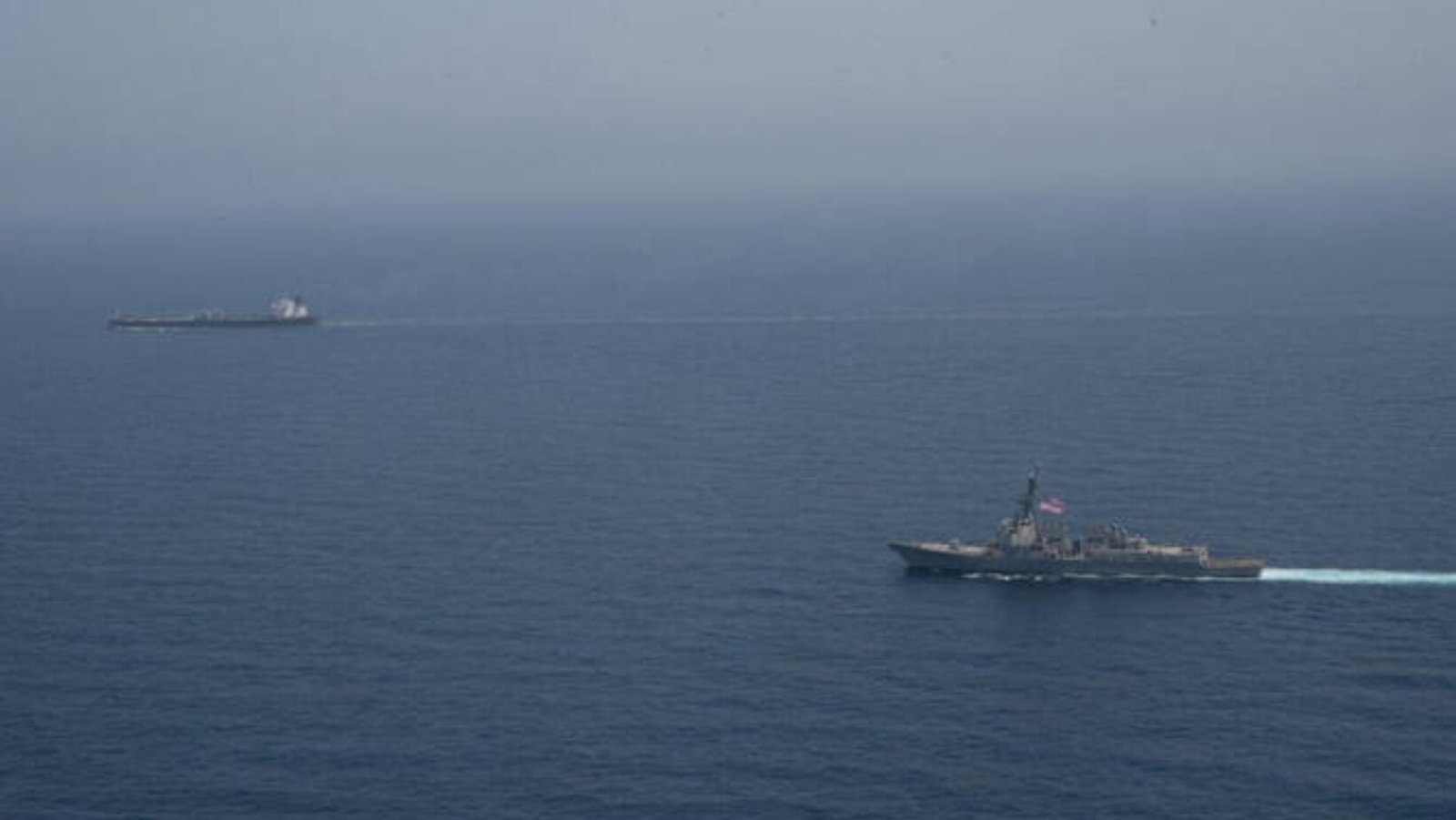
US President Donald Trump has stated that the Strait of Hormuz could reopen “fairly soon,” offering a potential breakthrough in one of the most critical global energy disruptions in recent history. The statement comes as tensions remain high following weeks of military conflict and stalled maritime traffic in the region.
The Strait of Hormuz is one of the world’s most vital shipping routes, responsible for nearly 20 percent of global oil and liquefied natural gas shipments. Its closure has triggered widespread concern across international markets, pushing oil prices higher and creating uncertainty for energy-dependent economies.
Trump says Strait of Hormuz will open soon, but he acknowledged that achieving this goal would not be simple. Speaking to reporters in Washington, he emphasized that reopening the passage would require coordinated efforts and international cooperation.
Global oil supply disruption impacts markets
The ongoing blockade, linked to escalating conflict involving Iran, has effectively halted ship traffic through the narrow waterway. This has led to one of the most significant disruptions to global energy supplies ever recorded.
Trump indicated that multiple countries are prepared to assist in restoring navigation through the strait, although he did not specify which nations are involved. He suggested that shared economic interests are driving global participation in efforts to resolve the crisis.
Trump says Strait of Hormuz will open soon as discussions intensify among international allies. However, the lack of detailed plans has left analysts cautious about how quickly progress can be made.
US Iran tensions 2026 escalate conflict
The crisis stems from military actions that began earlier this year, when US and Israeli forces launched strikes against Iran. In response, Iran targeted US bases and Israeli positions across the region, escalating into a broader conflict that has affected multiple countries.
The impact of the conflict has extended far beyond the battlefield. Global financial markets have reacted sharply, with energy prices fluctuating and investor confidence shaken by the uncertainty surrounding supply routes.
Trump says Strait of Hormuz will open soon, a statement that has drawn attention from both political leaders and economic analysts. While some view it as a sign of potential stabilization, others believe significant challenges remain before shipping can resume safely.
NATO response Strait of Hormuz under scrutiny
The situation has also highlighted tensions within international alliances. Reports indicate that Trump has expressed frustration with NATO allies over what he sees as insufficient support in securing the strait. This has added another layer of complexity to diplomatic efforts.
NATO officials have reportedly begun engaging with European governments to secure commitments aimed at protecting maritime routes. These discussions are expected to play a key role in determining how quickly stability can be restored.
Trump says Strait of Hormuz will open soon, but the timeline remains uncertain. Experts warn that even if an agreement is reached, rebuilding trust and ensuring safe passage for commercial vessels will take time.
UK meeting shipping security plans intensify
Meanwhile, the United Kingdom is taking steps to coordinate a broader international response. British officials have announced plans to host another high-level meeting focused on restoring free movement through the strait.
The meeting is expected to involve senior representatives from multiple countries and will address both diplomatic and military strategies. One of the key issues under discussion is opposition to any attempt to impose tolls on ships passing through the waterway.
Trump says Strait of Hormuz will open soon as these global efforts continue to gain momentum. However, the effectiveness of these initiatives will depend on cooperation between major powers and regional stakeholders.
Oil prices global market impact remains uncertain
Previous discussions involving dozens of countries have already explored a range of options, including sanctions and coordinated security operations. These measures aim to pressure Iran into reopening the route while ensuring long-term stability.
The economic stakes are extremely high. Prolonged disruption in the Strait of Hormuz could have lasting consequences for global trade, energy security, and economic growth. Countries that rely heavily on imported oil are particularly vulnerable to sustained supply interruptions.
Trump says Strait of Hormuz will open soon, offering a sense of cautious optimism. However, the fragile nature of the current ceasefire agreement raises concerns about whether tensions could escalate again.
Gulf energy route crisis and ceasefire concerns
The ceasefire, announced earlier this week, has provided a temporary pause in hostilities. Despite this, shipping activity has not resumed, indicating that underlying risks remain unresolved.
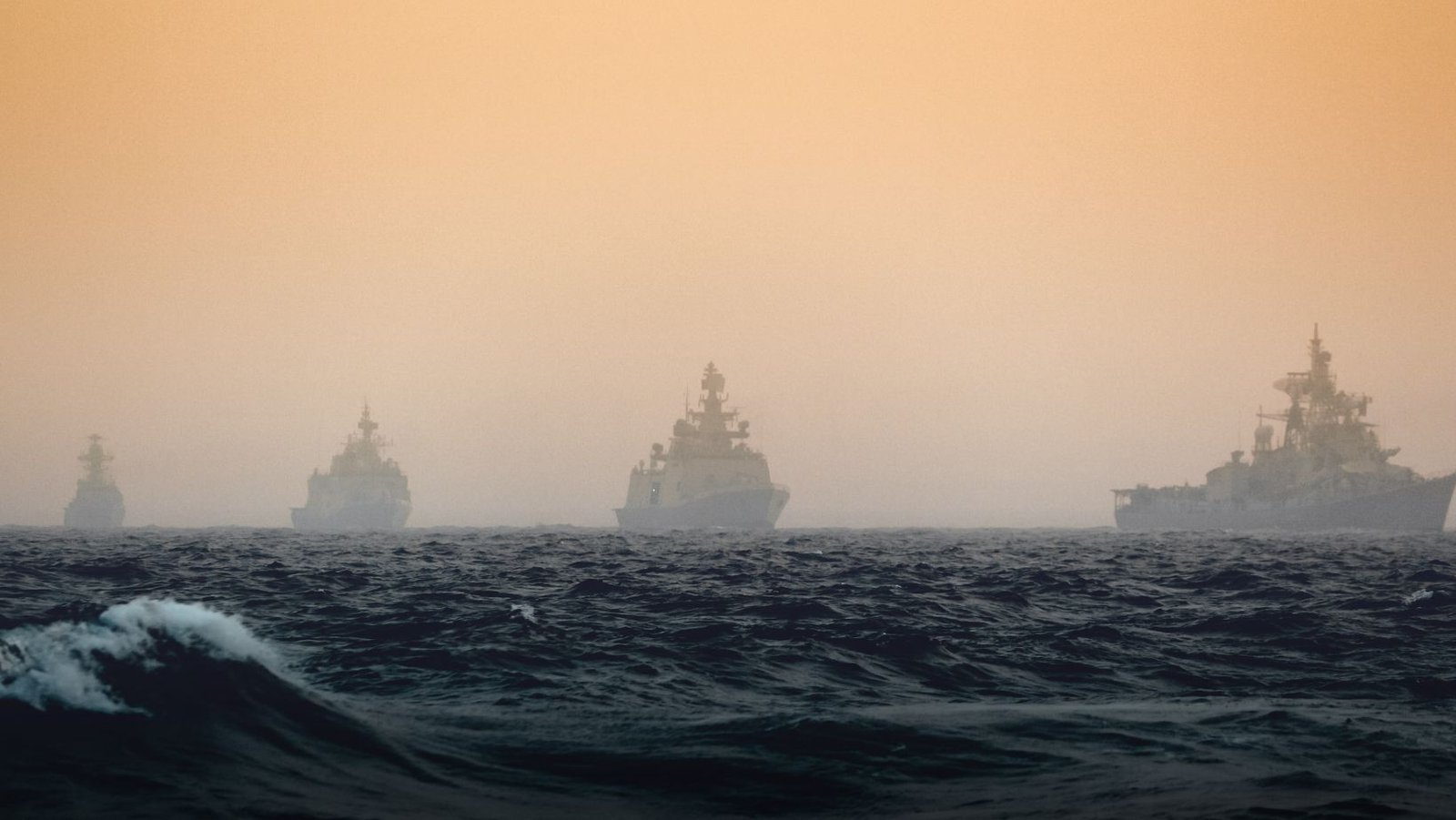
Military planners are also working on strategies to protect vessels once the strait reopens. Ensuring the safety of commercial shipping will be critical to restoring confidence among global traders and insurers.
Trump says Strait of Hormuz will open soon as part of a broader effort to stabilize the region and prevent further economic disruption. His statement reflects ongoing attempts to reassure markets and demonstrate progress toward a resolution.
At the same time, humanitarian concerns continue to grow. The conflict has resulted in significant casualties and displacement, adding urgency to calls for a lasting peace agreement.
The coming days are expected to be crucial in determining the future of the Strait of Hormuz. Diplomatic negotiations, military planning, and economic considerations are all converging as world leaders seek a path forward.
Trump says Strait of Hormuz will open soon, but the reality on the ground suggests that achieving this outcome will require sustained effort and cooperation. The situation remains fluid, and developments are likely to evolve rapidly.
For now, global attention remains focused on the strait, with governments, businesses, and markets closely monitoring any signs of progress.
For more updates on global diplomacy, Iran-US relations, and Middle East developments, follow ongoing coverage on TimeOfGulf.