
Trump Says US Military to Stay Near Iran Warns
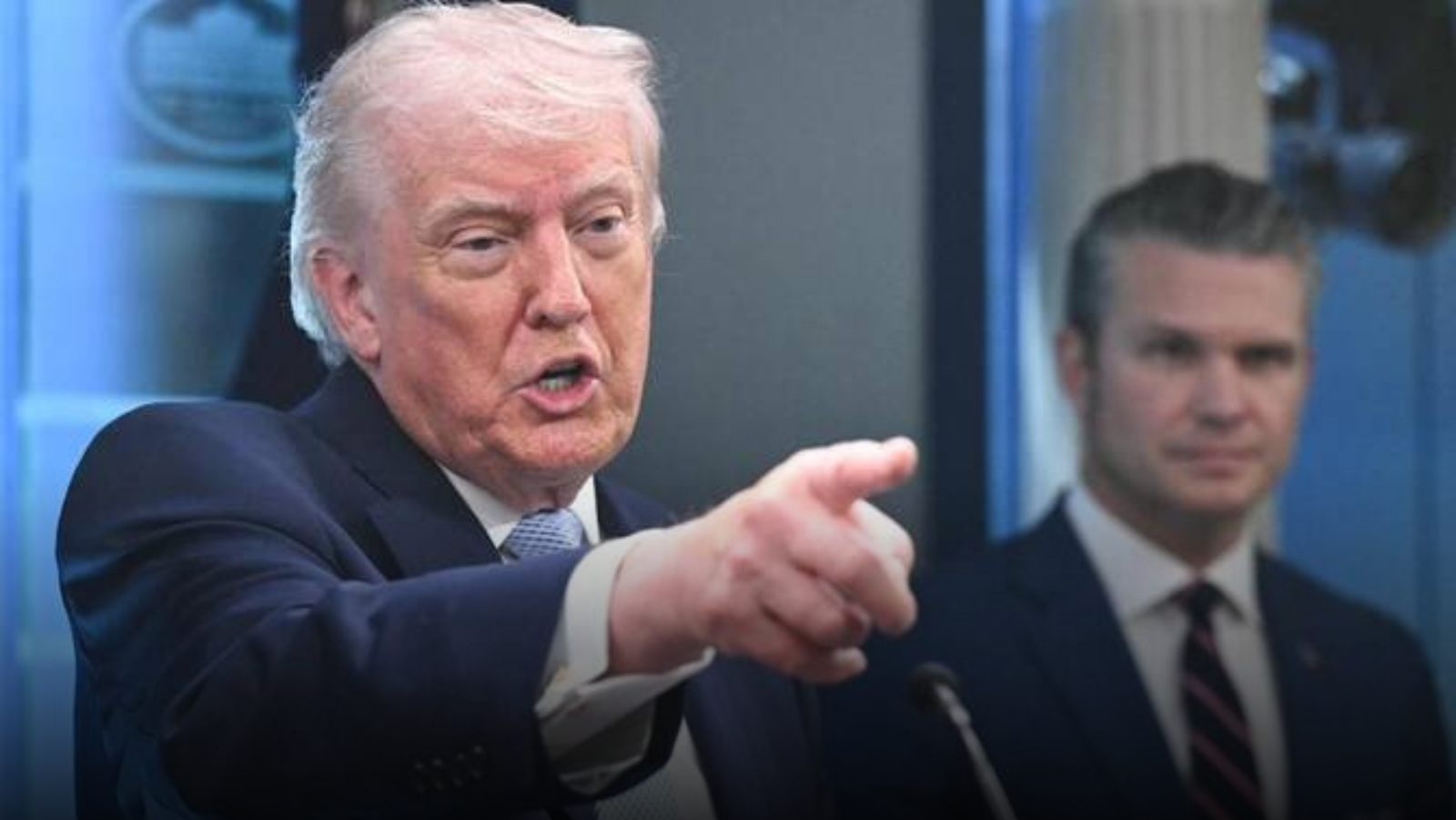
US Military Presence Around Iran to Continue
US President Donald Trump has confirmed that American military forces will remain deployed in and around Iran, reinforcing Washington’s commitment to ensuring compliance with a recent agreement between the two nations.
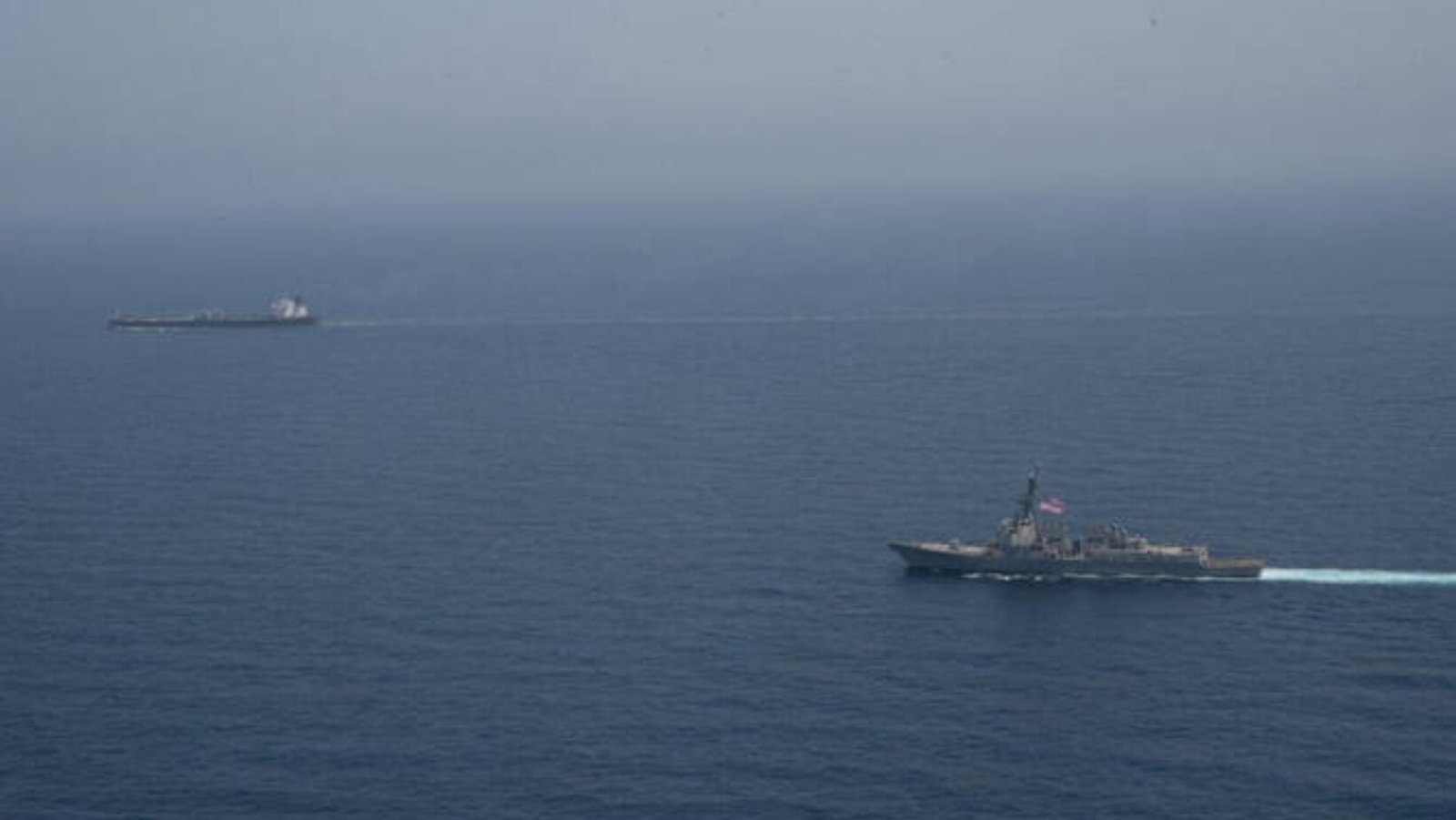
According to his statement, US naval ships, aircraft, and personnel will stay positioned across key strategic areas until Iran fully adheres to the terms outlined in the deal. This announcement reflects a firm policy approach aimed at maintaining pressure while safeguarding US interests in the region.
The continued deployment highlights the importance the United States places on monitoring developments closely and responding swiftly if any violations occur.
Strong Warning to Tehran Over Compliance
Trump delivered a clear and direct warning to Iran, stating that failure to comply with the agreement could trigger renewed military action. His remarks suggest that Washington is prepared to escalate its response if necessary.
The president indicated that any breach of the deal would result in consequences stronger than previous actions, emphasizing the seriousness of the situation. This message is intended to act as a deterrent, signaling that the US will not tolerate non-compliance.
Such strong rhetoric underscores the fragile nature of the agreement and the challenges both sides face in maintaining trust.
Dispute Over Iran’s Nuclear Activities
A major point of disagreement between Washington and Tehran remains Iran’s nuclear program. The United States maintains that Iran has agreed to halt uranium enrichment as part of the deal.
However, Iranian officials have presented a different interpretation, suggesting that certain levels of enrichment may still be permitted. This difference in understanding has created uncertainty about the actual terms and expectations of the agreement.
The lack of clarity on this critical issue could become a major obstacle in efforts to reach a long-term resolution. Both sides will need to address these differences to avoid further escalation.
Regional Tensions Complicate Diplomacy
Ongoing conflicts in the Middle East have added another layer of complexity to the situation. Recent military developments in neighboring countries have increased instability, making diplomatic progress more difficult.
Iran has expressed concerns about continuing negotiations while regional tensions remain high. Officials in Tehran argue that external factors are influencing the environment needed for meaningful dialogue.
These challenges highlight how interconnected regional issues can impact bilateral negotiations, making it harder to achieve lasting agreements.
Importance of the Strait of Hormuz
The Strait of Hormuz remains a central element in the ongoing situation. This narrow waterway is one of the world’s most critical routes for oil transportation, with a significant portion of global energy supplies passing through it daily.
Trump emphasized that keeping the Strait of Hormuz open and secure is a key part of the agreement. Any disruption in this area could lead to serious consequences for global markets, including spikes in oil prices and supply chain disruptions.
Ensuring safe passage through the strait is therefore not only a regional priority but also a global economic concern.
US Strategy Focused on Deterrence
The continued presence of US military forces is part of a broader strategy designed to deter potential threats. By maintaining a strong military posture, Washington aims to prevent any actions that could destabilize the region.
This approach combines military readiness with diplomatic efforts, allowing the US to respond quickly while still leaving room for negotiation. Analysts view this strategy as a way to balance pressure with the possibility of dialogue.
The effectiveness of this approach will depend on how both sides respond in the coming weeks.
Iran’s Position and Response
Iran has indicated that it is willing to engage in discussions but has also stressed that any agreement must respect its national interests. Officials have described certain US expectations as unrealistic, particularly regarding nuclear activities.
Tehran has also linked progress in negotiations to broader regional developments, suggesting that stability is necessary for meaningful talks. This position reflects Iran’s cautious approach to the current situation.
At the same time, Iranian leaders have reiterated their commitment to defending the country’s sovereignty and maintaining control over key policy decisions.
Global Reactions and Strategic Concerns
The situation between the United States and Iran is being closely watched by countries around the world. Major powers, including those in Europe and Asia, have expressed concern about the potential for escalation.
Energy markets are particularly sensitive to developments in the region, as any disruption could affect global oil supplies. Investors and policymakers are monitoring the situation for signs of stability or further tension.
The outcome of this standoff could have far-reaching implications beyond the Middle East, influencing international relations and economic conditions globally.
Diplomatic Efforts Still Ongoing
Despite the strong statements from both sides, diplomatic efforts have not completely stalled. There remains a possibility that negotiations could continue, particularly if both parties show willingness to compromise.
Experts suggest that confidence-building measures may be necessary to bridge the gap between Washington and Tehran. This could include clearer communication, verification mechanisms, and phased implementation of agreements.
However, progress will depend on resolving key disagreements and reducing tensions in the region.
Outlook for the Coming Weeks
The coming weeks are expected to be critical in determining the direction of US-Iran relations. With American forces remaining in place and strong warnings issued, the situation remains tense.
If Iran complies with the agreement, it could pave the way for more stable relations and further negotiations. On the other hand, any violation could lead to renewed conflict and increased instability.
Trump’s stance reflects a broader strategy of maintaining pressure while leaving the door open for diplomacy. Whether this approach leads to resolution or escalation will depend on the actions taken by both sides moving forward.
For now, the world continues to watch closely as developments unfold in one of the most strategically important regions on the global stage.
For more updates on US foreign policy, Middle East tensions, and global security developments, explore the latest reports on Time of Gulf.
It’s hard to find knowledgeable people on this topic, but you sound like you know what you’re talking about! Thanks
Youre so cool! I dont suppose Ive read something like this before. So good to find someone with some unique thoughts on this subject. realy thanks for starting this up. this web site is one thing that is needed on the net, somebody with somewhat originality. useful job for bringing one thing new to the web!