Pakistan plays key role in US-Iran ceasefire talks amid fragile Middle East diplomacy
Pakistan plays key role in US-Iran ceasefire talks, acting as mediator
Pakistan has emerged as a critical mediator in securing a fragile two-week ceasefire between the United States and Iran. The agreement, announced in early April 2026, comes after weeks of heightened tensions that threatened to escalate into broader regional conflict. Islamabad’s behind-the-scenes diplomacy helped both sides communicate, relayed messages, and encouraged restraint during critical final hours of negotiation.
Sources familiar with the process told news agencies that Pakistan maintained a small, confidential team managing backchannel communications between Washington and Tehran. Officials described the atmosphere as tense but cautiously optimistic, with both sides aware that any misstep could derail the fragile ceasefire.
Why Pakistan could mediate
Pakistan’s unique position stems from its longstanding relationships with both countries. Sharing a border and a history of diplomatic engagement with Iran, Pakistan has cultivated what it calls a “brotherly” relationship with Tehran. At the same time, it maintains strong strategic and defense ties with the United States, allowing it to act as a trusted intermediary.
This dual relationship enabled Islamabad to carry messages, clarify intentions, and reduce misunderstandings during a period of high-stakes negotiations. Officials said Pakistan’s credibility with both parties was key in preventing a collapse of talks.
Leadership’s role in securing the ceasefire
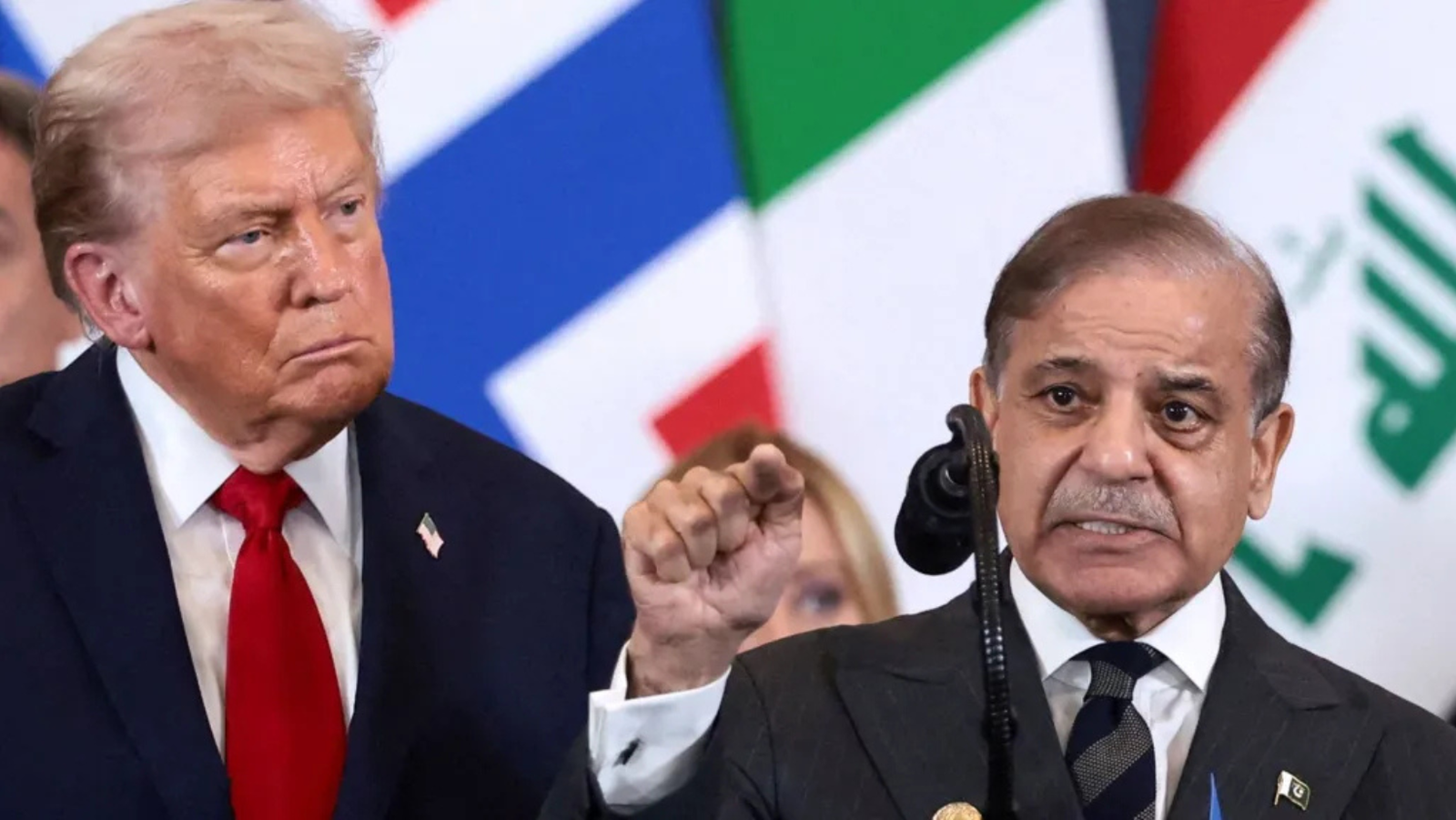
Prime Minister Shehbaz Sharif took an active and prominent part during the concluding phase of diplomatic efforts. In the hours leading up to the ceasefire announcement, Sharif publicly urged U.S. President Donald Trump to extend his deadlines by two weeks to allow diplomacy to proceed. He also requested that Iran open the Strait of Hormuz for the same period, a strategic waterway critical to global energy shipments.
Meanwhile, Pakistan’s military leadership, led by Field Marshal Asim Munir, reinforced the call for restraint. Munir reportedly criticized attacks on Saudi Arabia and other regional targets, highlighting that such actions threatened the credibility of ongoing diplomatic efforts.
These coordinated civil and military diplomatic efforts reinforced Pakistan’s role as a stabilizing influence, helping both the United States and Iran take a step back from escalation.
Strait of Hormuz and regional stakes
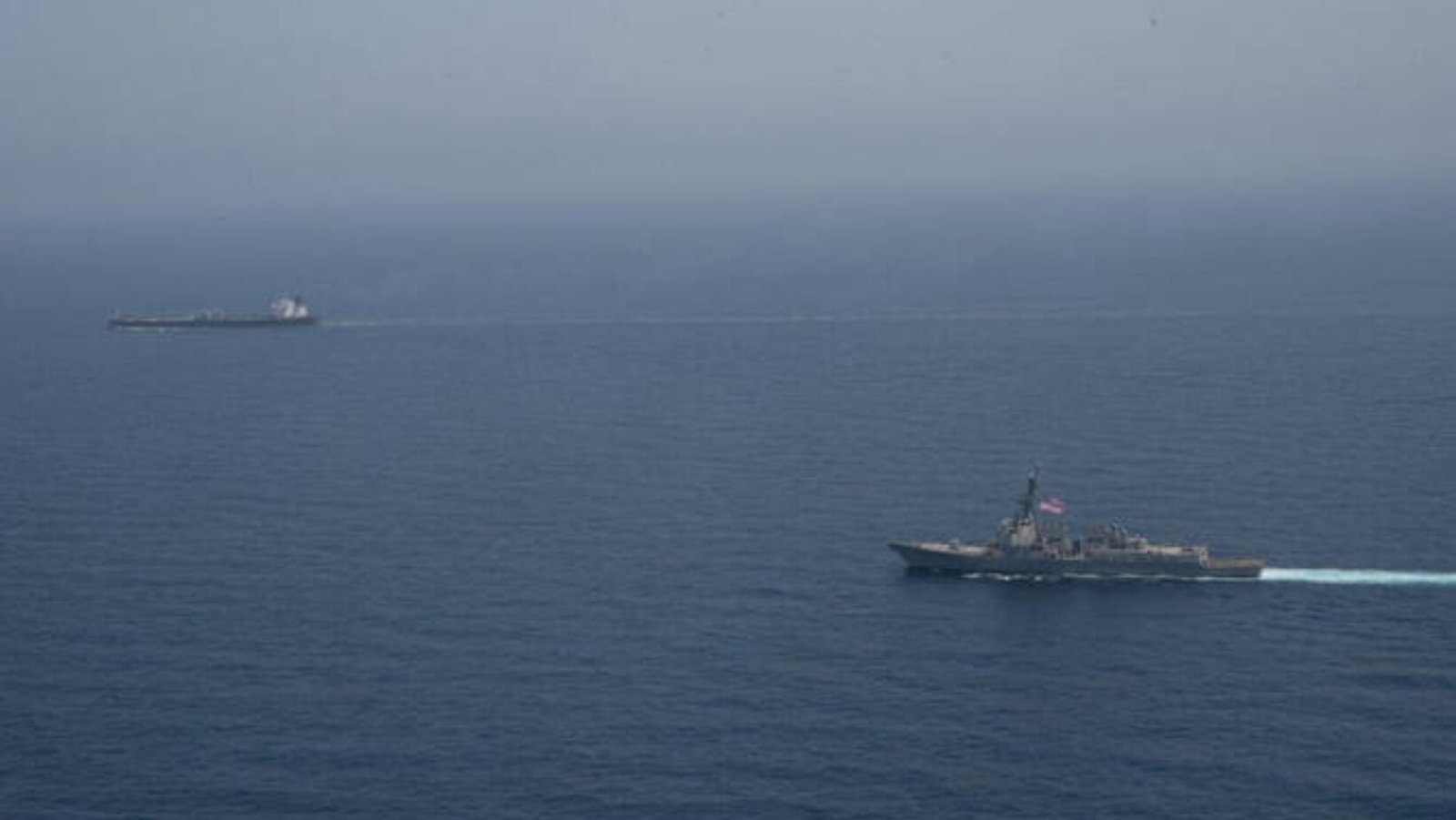
The Strait of Hormuz has long been a central point of contention in the US-Iran standoff. Roughly a fifth of global oil shipments pass through this narrow waterway in peacetime. Pakistan’s request for a temporary opening of the strait allowed both sides to demonstrate compliance and reduced immediate economic pressures, providing a tangible confidence-building measure in the ceasefire.
By mediating this element of the agreement, Pakistan contributed not only to reducing military tension but also to stabilizing a critical aspect of global trade, further emphasizing its influence in regional diplomacy.
Fragility of the ceasefire
Despite the announcement, the ceasefire remains delicate. Sources involved in the negotiations have described deep mistrust between the United States and Iran. Both sides maintain entrenched positions on critical issues, including sanctions, nuclear capabilities, and military presence in the region.
Analysts emphasize that Pakistan’s role is not a one-time intervention but part of an ongoing effort to maintain dialogue. The country has invited both parties to continue negotiations in Islamabad on April 10, signaling a commitment to extending the ceasefire toward a more durable resolution.
Regional and global implications
The two-week pause in hostilities provides temporary relief for a region that has seen repeated clashes, including Israeli and Saudi involvement, as well as attacks by Iran in response to previous US and Israeli strikes. Pakistan’s mediation has created an opportunity to stabilize military activity and reduce civilian risk in surrounding countries.
The ceasefire also allows for a potential de-escalation in global energy markets, as the Strait of Hormuz remains open. Continued dialogue facilitated by Pakistan may prevent disruptions in oil shipments and support broader economic stability.
Challenges ahead
While Pakistan has successfully brokered this short-term agreement, experts caution that lasting peace will depend on continued diplomacy and trust-building. Any unilateral military action or miscommunication could quickly reverse progress.
Pakistan’s intervention illustrates how a regional actor can influence global diplomacy, particularly when it maintains balanced relations with multiple conflicting parties. The country’s combination of civil, military, and diplomatic channels demonstrates a strategic approach to crisis management that other nations may study for similar conflicts.
Conclusion
Pakistan plays key role in US-Iran ceasefire talks, demonstrating the influence of strategic diplomacy in preventing escalation. Through careful mediation, the country helped establish a fragile two-week pause in hostilities, created conditions for follow-up negotiations in Islamabad, and contributed to stabilizing a critical global waterway.
As talks continue, Pakistan’s diplomatic engagement will remain a central factor in determining whether the ceasefire can evolve into a more permanent resolution, offering hope for reduced tensions in the Middle East and improved international stability.
For ongoing coverage of global diplomacy, Middle East tensions, and international negotiations, visit TimeOfGulf for continuous updates.