Debris Falls Near Saudi Energy Facilities Missile Strike Amid Rising Gulf Tensions
Debris Falls Near Saudi Energy Facilities Missile Strike Highlights Regional Security Risks
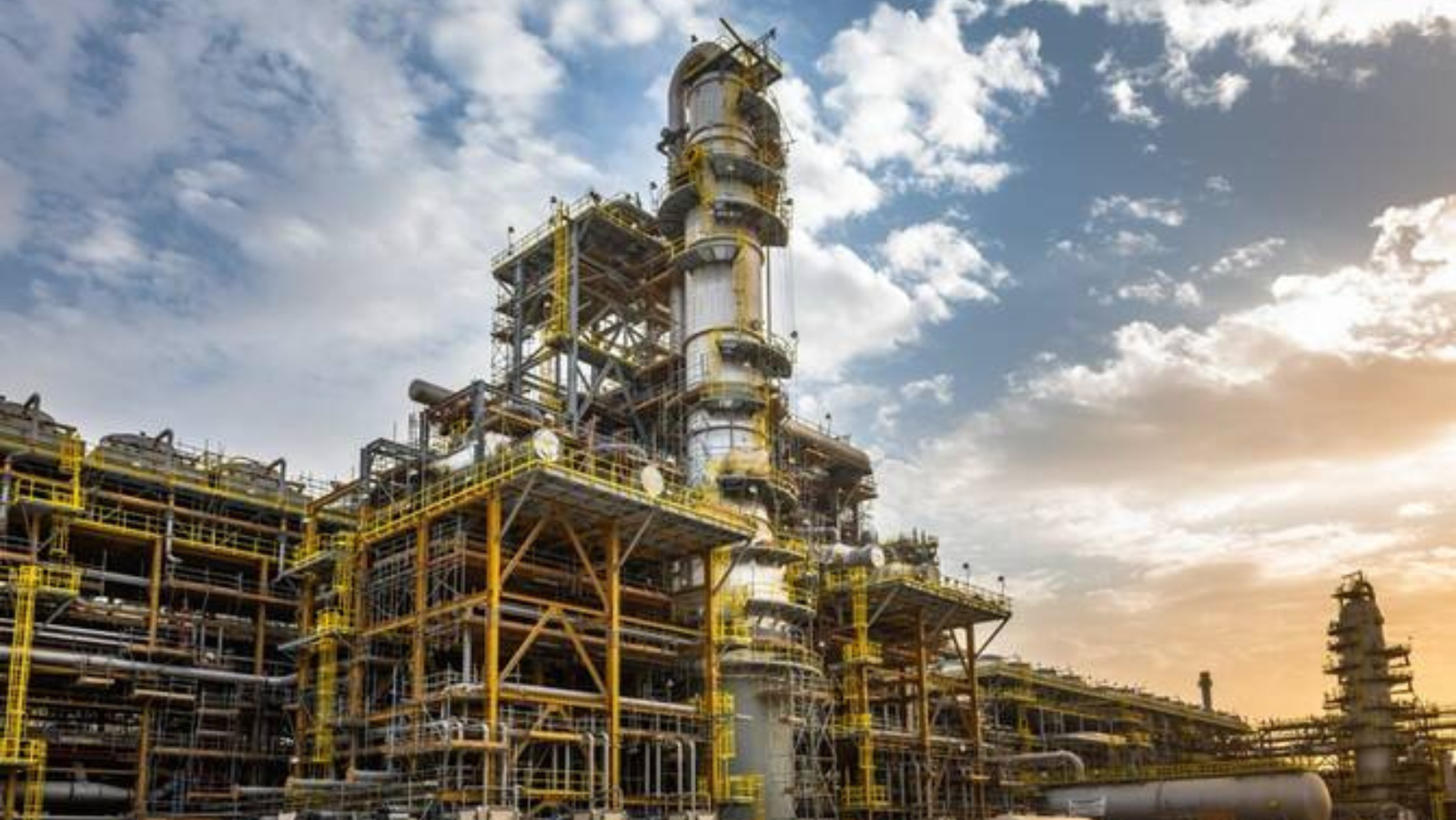
Saudi authorities reported on Tuesday that fragments from intercepted ballistic missiles landed near critical energy facilities in the Eastern Province. The incident comes amid heightened tensions in the Gulf, as defense forces successfully neutralized seven missiles aimed at strategic infrastructure, while debris scattered across oil and gas installations.
Major General Turki Al-Malki, spokesperson for the Ministry of Defense, confirmed that three additional missiles targeting the Eastern Province were destroyed before impact. He highlighted the efficiency of Saudi air defense systems in safeguarding the Kingdom’s vital energy assets. Damage assessment and cleanup operations are ongoing, ensuring the continued protection of personnel and installations.
The recent attacks underline the persistent threat posed by Iranian missile and drone operations targeting Gulf nations. These incidents follow military actions by the United States and Israel against Iran since late February, which escalated regional tensions.
For more updates on Gulf security and regional defense operations, follow ongoing coverage on TimeOfGulf.
Iranian Attacks Intensify Amid Strait of Hormuz Pressures
The missile debris near Saudi energy facilities is part of ongoing Iranian operations targeting Gulf nations. While Tehran has partially eased its blockade of the Strait of Hormuz, the waterway remains strategically significant, influencing global oil markets and energy security.
Recent Iranian strikes have impacted Saudi Arabia, the UAE, Bahrain, and Israel, with US military assets remaining on high alert. Gulf states and international observers have condemned these actions as a direct threat to regional stability, energy infrastructure, and civilian safety.
Iranian drone and missile attacks continue to pose a risk to the Kingdom’s Eastern Province, home to its largest oil and gas facilities. Authorities emphasize that the air defense systems have successfully intercepted most threats, though debris still represents a potential hazard to personnel and operations.
US Warnings Heighten Regional Tensions
US President Donald Trump issued a stern warning to Iran on Tuesday, threatening decisive military retaliation if Tehran failed to meet a negotiation deadline by 8 p.m. EDT. “Our armed forces are prepared; all strategic targets in Iran could face immediate action by tomorrow night,” Trump stated, signaling readiness for rapid response.
Despite US warnings, Iranian officials have stressed the need for a long-term resolution before easing control over the Strait of Hormuz. Analysts warn that prolonged tensions could destabilize energy markets and disrupt global oil supplies, affecting economies worldwide.
Heightened Security Measures Across the Gulf
In response to the missile and drone attacks, Gulf nations have reinforced defensive protocols. The UAE activated air defense systems early Tuesday, while Bahrain issued missile alerts throughout the kingdom. Citizens were advised to remain vigilant as authorities monitored potential threats to strategic locations.
Saudi Arabia’s Eastern Province, hosting critical oil and gas operations, remains under close surveillance. Emergency response teams coordinate with defense authorities to ensure infrastructure protection and rapid response to any incidents.
The Ministry of Defense continues to provide regular updates on debris impact and the operational status of energy facilities. Authorities emphasize that no significant damage has been reported so far, though cleanup and precautionary measures remain a priority.
Civilian Casualties in Kurdistan Region
In Iraq’s Kurdistan region, two civilians died when a drone, reportedly launched from Iran, struck a residential building in Zargazawi village, Irbil province. Local authorities condemned the attack as a violation of international law and warned of the increasing threat posed by missile and drone operations to civilian populations.
Across northern Kurdistan, Iranian forces and allied militias have conducted coordinated strikes using drones, rockets, and ballistic missiles. These repeated attacks have triggered widespread security alerts, putting both residents and energy facilities at risk.
The continued targeting of strategic areas in the Gulf and northern Iraq underscores the evolving nature of regional threats and the urgency of protective measures by local authorities.
Global Energy Market Under Pressure
Ongoing missile attacks, combined with Iran’s partial control over the Strait of Hormuz, have pushed oil prices higher globally. The Gulf remains a vital hub for international energy supplies, and repeated disruptions increase concerns over long-term market stability.
Saudi Arabia and allied nations have called for international cooperation to secure vital energy routes and prevent further escalation. Analysts warn that sustained instability could affect global energy markets, trade flows, and economic stability, emphasizing the need for vigilant monitoring of Gulf security developments.
Conclusion: Vigilance Amid Escalation
As missile debris continues to fall near Saudi energy facilities, authorities remain on high alert. The US, Saudi Arabia, and regional allies are prepared to respond to further Iranian actions, while air defense systems maintain readiness around strategic infrastructure.
The incident highlights the fragility of Gulf security and the importance of diplomatic efforts to stabilize the region. With Iran standing firm and US warnings in place, the coming days are crucial for regional stability and the protection of global energy infrastructure.
Saudi authorities continue to coordinate security measures, monitor developments, and reinforce protective systems around critical energy sites. The situation serves as a reminder of the ongoing risks to the Gulf and its vital role in international energy supply.
For continued updates on Gulf security, missile interceptions, and regional developments, visit TimeOfGulf for expert reporting and detailed analysis.