UN Vote on Hormuz Resolution Before Deadline as Global Powers Push for Maritime Security Measures
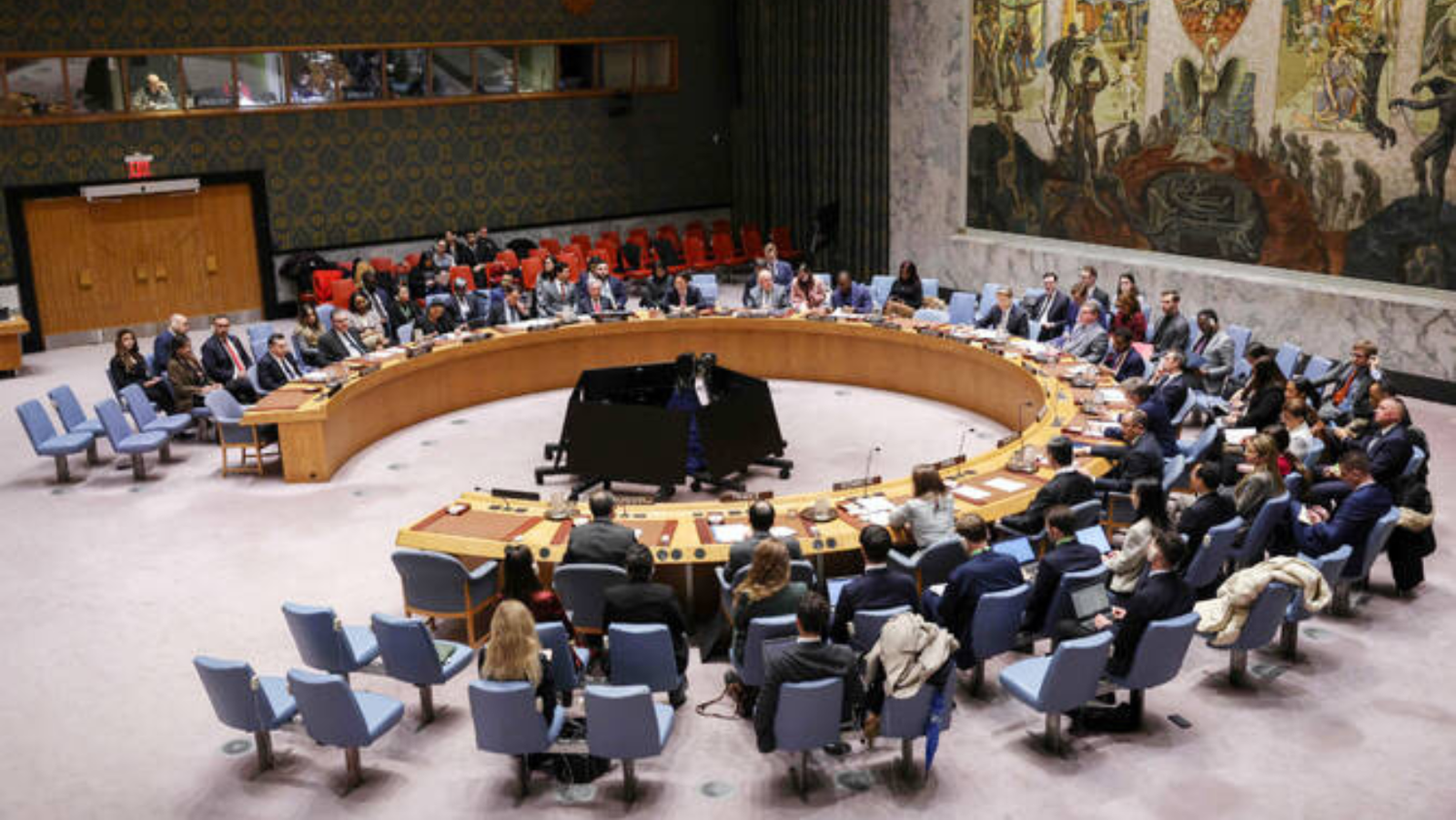
UN Vote on Hormuz Resolution Before Deadline highlights divisions over use of force and shipping safety
The United Nations Security Council is set to vote on a revised resolution aimed at protecting commercial shipping in the Strait of Hormuz, just hours before a critical geopolitical deadline tied to rising tensions in the Middle East.
The proposed resolution has been significantly watered down after strong opposition from China and other key members, removing any explicit authorization for the use of force. Diplomats say the softer approach increases the chances of adoption, though uncertainty still surrounds the final outcome.
Watered-Down Resolution Focuses on Defensive Coordination
The latest draft no longer includes provisions that would allow military force to secure maritime routes. Instead, it encourages countries that rely on the Strait for trade to coordinate defensive efforts to ensure safe navigation.
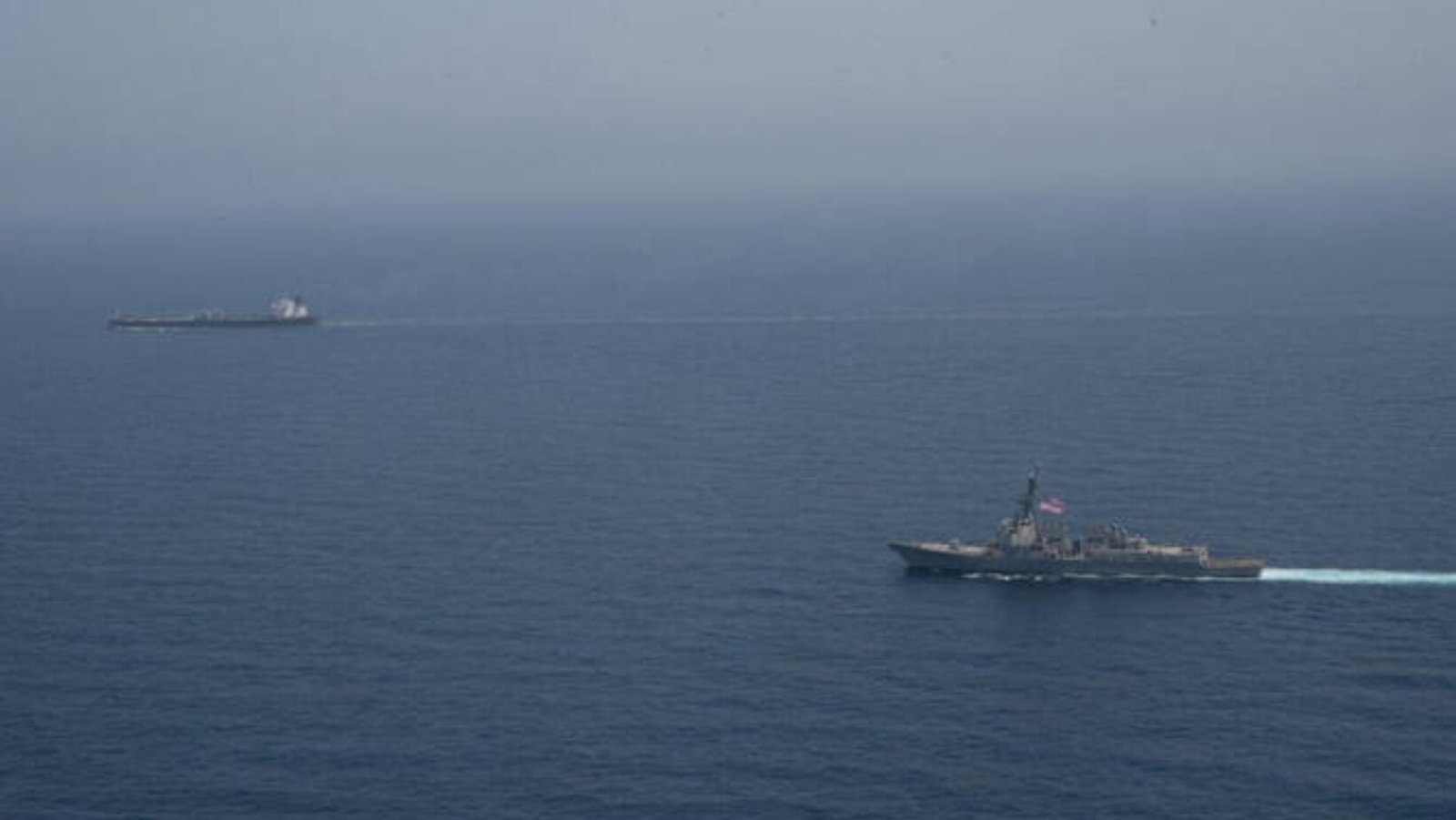
These measures may include escorting commercial vessels and increasing maritime surveillance to deter potential disruptions. The language emphasizes “defensive” actions only, reflecting compromises made to address concerns from veto-wielding nations.
Earlier versions of the resolution had proposed stronger language, including the use of “all necessary means,” but those provisions were removed after objections warned such steps could escalate the conflict further.
China and Russia Push Back Against Military Authorization
Opposition from major powers, particularly China and Russia, has been a key factor in reshaping the resolution.
Chinese officials argued that authorizing force would risk legitimizing further military escalation and could worsen an already volatile situation. Beijing has instead called for an immediate ceasefire as the primary solution to the crisis.
Russia has echoed similar concerns, reinforcing divisions within the Security Council and highlighting the difficulty of reaching consensus on high-stakes international issues.
Bahrain Leads Diplomatic Push for Maritime Security
The resolution has been spearheaded by Bahrain, which currently holds the rotating presidency of the Security Council. Backed by Gulf states and the United States, Bahrain has revised the proposal multiple times in an effort to secure enough support for passage.
Diplomatic negotiations have involved several drafts, each attempting to balance the urgency of protecting global shipping routes with the political realities of gaining approval from all permanent members.
For a resolution to pass, it must receive at least nine votes in favor and avoid a veto from any of the five permanent members, including the United States, China, Russia, Britain, and France.
Strait of Hormuz Crisis Drives Urgency
The vote comes amid a prolonged conflict that has effectively disrupted traffic through the Strait of Hormuz, one of the most critical energy corridors in the world.
Roughly one-fifth of global oil and gas supplies pass through this narrow waterway, making its stability essential for global markets. Since the conflict escalated in late February, shipping disruptions have driven oil prices higher and raised concerns about inflation and supply shortages.
The closure of the Strait has also become a key strategic issue, with global powers seeking ways to ensure freedom of navigation without triggering further conflict.
Iran موقف and Regional Tensions Continue
Iran has maintained its position, resisting pressure to fully reopen the Strait while calling for a broader and lasting end to the conflict.
At the same time, tensions with the United States and Israel remain high, with ongoing military exchanges and strong rhetoric from all sides. The situation has complicated diplomatic efforts and increased the urgency for international intervention.
The resolution is seen as part of a broader attempt to stabilize the region and prevent further disruption to global trade routes.
Uncertain Outcome Ahead of Critical Vote
Despite the revised language, diplomats remain uncertain whether the resolution will secure enough support to pass. While the removal of force authorization has improved its chances, divisions among major powers persist.
The outcome of the vote will be closely watched, as it could shape the international response to one of the most significant geopolitical crises in recent years.
A successful resolution may provide a framework for coordinated maritime security, while failure could deepen divisions and leave the situation unresolved.
For now, all eyes are on the Security Council as it prepares to make a critical decision that could impact global energy markets, regional stability, and the future of international cooperation.
For more breaking news, latest global updates, and in-depth coverage of geopolitical events, visit TimeofGulf and stay informed every day.