

Japan Tanker Crosses Strait of Hormuz Safely Amid Middle East Energy Crisis and Rising Global Oil Prices
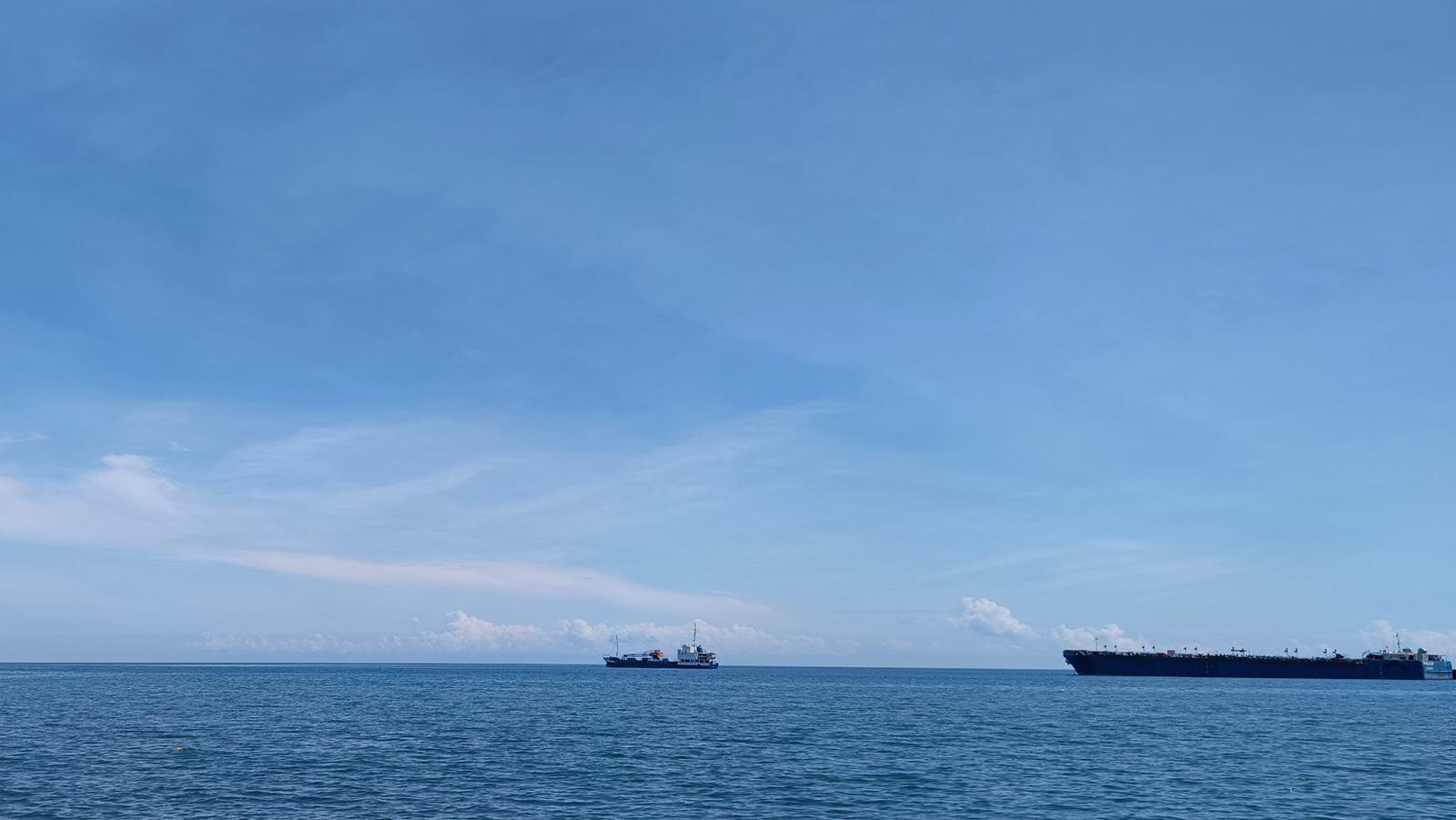
Japanese Shipping Firm Confirms Japan Tanker Crosses Strait of Hormuz Safely Using Iranian-Approved Route as Global Markets Watch Closely
TOKYO — A rare breakthrough in the ongoing Strait of Hormuz crisis occurred on Monday as a Japanese-owned tanker successfully navigated the strategic waterway, signaling a cautious improvement in the flow of energy resources amid rising global tensions. According to the shipping firm Mitsui O.S.K. Lines, the LPG tanker Green Asha, operated by its subsidiary, safely crossed the strait and is en route to South Asia, marking only the third Japan-linked vessel to transit the area since the conflict began in late February.
The strait has been effectively blocked by Iran in retaliation for the US-Israeli strikes launched on February 28, causing international concern over energy supply disruptions. This temporary reopening offers a glimmer of hope to global energy markets that have been reeling from reduced crude and gas shipments, soaring prices, and widespread uncertainty.
“Both the crew and the cargo are safe,” said a spokeswoman for Mitsui O.S.K. Lines, underscoring the careful planning and coordination behind the transit of the Japan Tanker Crosses Strait of Hormuz Safely.
Rare Passage Through Strait of Hormuz Signals Temporary Relief for Energy Market as LPG Tankers Resume Transit
Despite the ongoing blockade, a handful of vessels have successfully transited the strait by following routes approved by Iranian authorities near Larak Island, a passage colloquially referred to as the “Tehran Toll Booth.” These carefully monitored routes have allowed essential energy shipments to continue while avoiding escalation with Iranian military forces.
India’s government reported that the LPG tanker Green Sanvi, also owned by Mitsui’s subsidiary, safely crossed the strait on Saturday. One day earlier, three other tankers, including a co-owned Mitsui vessel, completed the passage. The Sohar LNG tanker was the first vessel to make the transit since March 1.
Analysts emphasize that these limited movements are crucial for stabilizing the energy market, as even minimal shipments provide a psychological and economic buffer against further price spikes.
Impact on Global Oil Prices as Japan Tanker Crosses Strait of Hormuz Safely
The successful transit of the Green Asha has immediate implications for global oil prices. Energy markets have been extremely sensitive to developments in the Persian Gulf, with crude and gas prices rising sharply due to the effective closure of the strait. The rare passage signals potential easing of supply fears, though experts caution that the blockade remains in place and risks of disruption are high.
“Even a small number of tankers passing safely can help calm markets temporarily, but the long-term outlook remains uncertain,” said a senior energy analyst familiar with Middle East shipping routes.
The temporary reopening also underscores the importance of secure maritime logistics in ensuring global energy stability, particularly during geopolitical conflicts.
Mitsui O.S.K. Lines Confirms Crew Safety and Cargo Security
As the news of the Japan Tanker Crosses Strait of Hormuz Safely spread, Mitsui O.S.K. Lines emphasized the importance of crew safety and cargo security. The firm confirmed that all measures were taken to navigate the Iranian-approved routes and ensure minimal risk.
“Our operations are coordinated closely with local authorities to guarantee safe passage, while adhering to international maritime regulations,” the company spokeswoman said.
The transit demonstrates how corporate vigilance and strategic planning can allow essential shipments to proceed even amid heightened geopolitical tension.
Strategic Importance of Strait of Hormuz in Middle East Conflict
The Strait of Hormuz remains one of the most critical maritime chokepoints globally, accounting for roughly one-fifth of the world’s oil supply. Iran’s partial closure of the strait has sent shockwaves through international energy markets, contributing to rising fuel prices in Europe, Asia, and North America.
The Japan Tanker Crosses Strait of Hormuz Safely marks a rare successful transit during a period when Iran has sought to exert leverage over the global oil trade. Observers note that any disruption in the strait can have immediate effects on global supply chains and economic stability.
Iran-Approved Route Highlights Geopolitical Negotiations
The passage of the Green Asha tanker also highlights the delicate balance of power in the region. Iran has permitted limited transits along controlled corridors, effectively exercising influence over a critical global energy artery while maintaining strategic leverage over international actors.
This cautious allowance indicates potential avenues for negotiation and coordination, as international stakeholders look for ways to minimize the risk of further escalation while maintaining the flow of vital resources.
Japan and South Asia Watch Energy Security Closely
For Japan and other energy-dependent countries, the Japan Tanker Crosses Strait of Hormuz Safely event is a moment of relief amid a tense geopolitical environment. The successful transit ensures that South Asian markets, including India, continue to receive essential LPG shipments, preventing more severe fuel shortages and economic disruption.
Government and industry officials have noted the importance of coordinated monitoring and communication to avoid incidents that could escalate tensions or endanger civilian lives.
Outlook for Strait of Hormuz and Energy Market Stability
While the safe passage of the Green Asha tanker represents a positive development, the overall situation in the Strait of Hormuz remains precarious. Analysts warn that any misstep, misunderstanding, or further military action could quickly lead to renewed closures, price volatility, and broader geopolitical consequences.
“The global energy market is on edge. Every tanker that transits safely is a temporary relief, but the underlying risks persist,” said a maritime security expert.
The world watches closely as strategic chokepoints such as Hormuz continue to shape energy policy, market behavior, and international relations.
Conclusion: Rare Passage Provides Limited Relief but Vigilance Remains Key
The successful transit of the Japan Tanker Crosses Strait of Hormuz Safely demonstrates the delicate balance between maintaining global energy supply and managing geopolitical risks. While the movement of tankers like Green Asha provides temporary relief to markets, analysts caution that sustained stability will require careful coordination, diplomacy, and adherence to maritime regulations.
The situation underscores the strategic importance of the Strait of Hormuz and the need for global actors to engage in dialogue to ensure energy security, prevent escalation, and safeguard international commerce.
For more updates on Strait of Hormuz shipping, Middle East energy developments, and global maritime news, follow ongoing coverage on Time of Gulf.

Great line up. We will be linking to this great article on our site. Keep up the good writing.
Hey There. I found your weblog the usage of msn. This is a very smartly written article. I will make sure to bookmark it and return to read more of your helpful info. Thank you for the post. I’ll definitely return.