
Iran Parliament Chief Slams Trump Threats as Strait of Hormuz Crisis Deepens and Regional Tensions Escalate
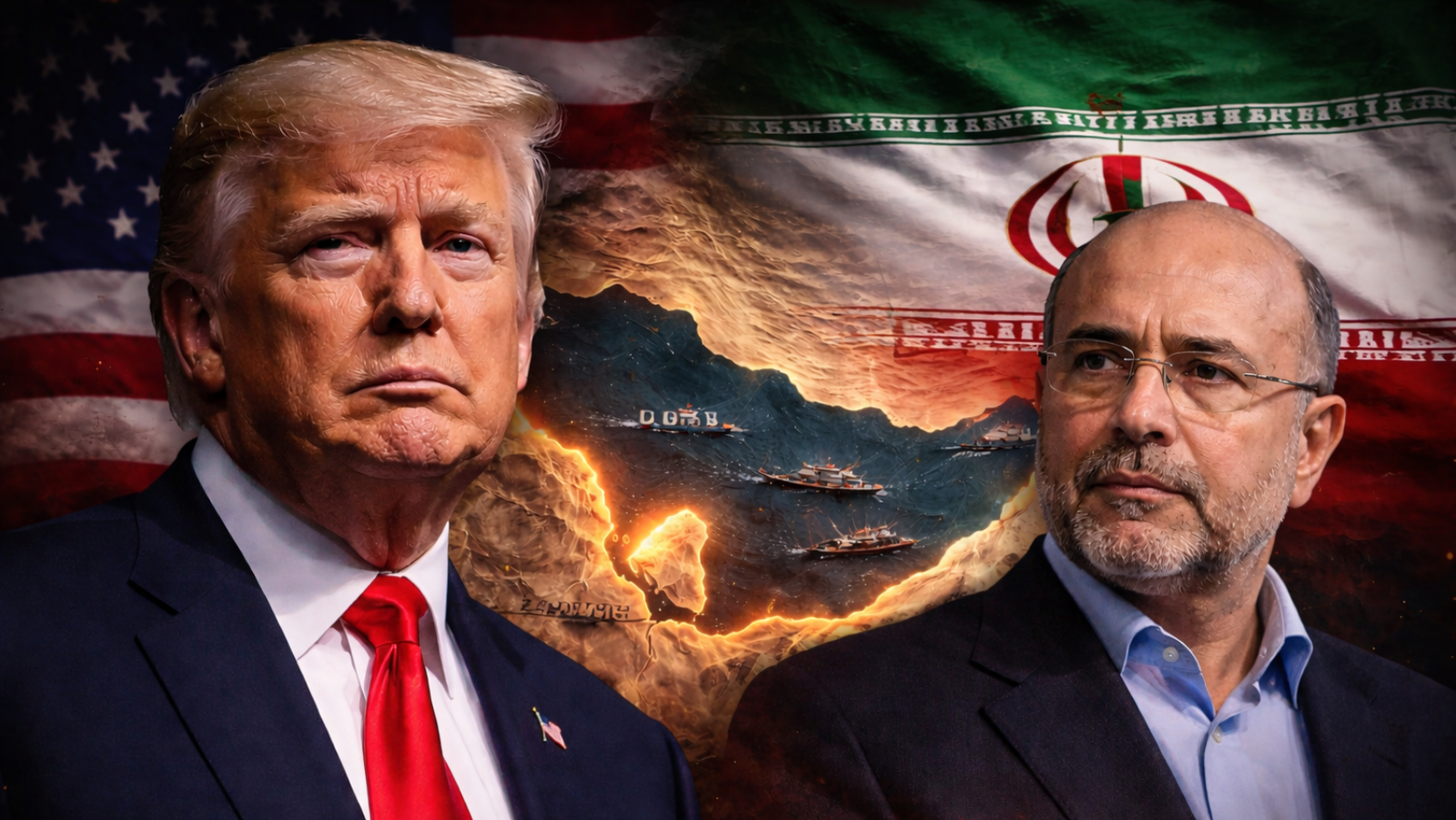
Iran Parliament Chief Slams Trump Threats Warning Against Escalation as Russia Calls for Diplomacy and Global Concerns Rise
TEHRAN — A sharp escalation in rhetoric has emerged after Iran Parliament Chief Slams Trump Threats, highlighting growing tensions between Tehran and Washington over the Strait of Hormuz crisis. Iran’s leadership has strongly rejected recent US warnings about possible strikes on key infrastructure, describing them as dangerous and destabilizing for the region.
Iran’s Parliament Speaker Mohammad Bagher Qalibaf responded firmly, criticizing the tone and intent behind the threats. In a public statement, he emphasized that such actions would only worsen the situation rather than resolve it.
“War-driven approaches will bring no results. The only path forward is respecting the rights of nations and avoiding further escalation.”
His remarks reflect increasing frustration within Iran as pressure continues to mount amid geopolitical uncertainty.
Iran Rejects Threats of Infrastructure Attacks
As Iran Parliament Chief Slams Trump Threats, Iranian officials have raised serious concerns about the legality and consequences of targeting civilian infrastructure. Authorities in Tehran argue that such actions would violate international norms and could lead to humanitarian consequences.
Officials stressed that damaging essential services like power and transportation systems would directly affect civilians and escalate tensions beyond control. This response is part of Iran’s broader effort to present itself as defending international law and regional stability.
UN Mission Raises Concern Over Civilian Risks
Following the development where Iran Parliament Chief Slams Trump Threats, Iran’s diplomatic mission to the United Nations issued a strong response highlighting risks to civilian safety.
In its statement, the mission warned that such rhetoric could increase instability and create dangerous conditions for non-combatants.
“Such statements risk heightening fear among ordinary people and point toward actions that could breach established international legal standards.”
The mission also emphasized the urgency of immediate global attention:
“All nations share a responsibility to prevent actions that could result in severe humanitarian consequences. Delaying action could make the situation far worse.”
These comments underline Iran’s effort to bring international focus to the issue.
Russia Urges US to Shift Away from Pressure Tactics
The reaction to Iran Parliament Chief Slams Trump Threats has extended beyond Iran, with Russia voicing strong concern. Moscow has urged Washington to move away from threats and adopt a more diplomatic approach.
Russian officials emphasized that resolving the crisis requires dialogue rather than pressure, warning that continued escalation could destabilize the region further. This position signals growing alignment between Iran and Russia on handling the situation.
Strait of Hormuz Disruption Impacts Global Trade
The crisis tied to Iran Parliament Chief Slams Trump Threats is closely linked to ongoing disruptions in the Strait of Hormuz. This vital waterway plays a key role in global energy transportation, and any blockage has immediate economic consequences.
Shipping delays and reduced traffic have already begun to affect global oil and gas markets. Countries dependent on these supplies are closely monitoring developments, as uncertainty continues to drive market volatility.
Experts warn that prolonged disruption could significantly impact global trade and economic stability.
Warning of Wider Disruption to Global Trade Routes
As Iran Parliament Chief Slams Trump Threats, concerns are growing that tensions could spread beyond the Strait of Hormuz. Senior figures connected to Iran’s leadership have hinted at the possibility of affecting other key maritime routes if the conflict escalates.
One such warning highlighted the broader implications for global trade:
“Any further escalation could quickly affect major international trade routes, with serious consequences for energy supplies and global commerce.”
This statement has raised alarm among global observers, as it suggests the potential for widespread economic disruption.
Iran Introduces Conditions for Reopening Strait
Amid developments linked to Iran Parliament Chief Slams Trump Threats, Iranian officials have proposed new conditions for reopening the Strait of Hormuz. These include considerations related to compensation for damages caused during the conflict.
The proposal adds complexity to negotiations, combining political, economic, and strategic factors. It also reflects Iran’s effort to strengthen its negotiating position while maintaining control over a critical global route.
Iranian Officials Criticize US Leadership Approach
In the broader context of Iran Parliament Chief Slams Trump Threats, Iranian leaders have also criticized the approach taken by US leadership. Officials describe it as inconsistent and difficult to interpret.
One senior official commented on the issue, stating:
“There is a lack of consistency in the messaging, which makes it difficult to engage in serious and constructive dialogue.”
Such criticism highlights the challenges facing diplomatic efforts and the level of mistrust between the two sides.
Risk of Escalation Remains High
The situation surrounding Iran Parliament Chief Slams Trump Threats continues to raise concerns about a potential regional conflict. Military readiness has increased, and both sides appear prepared for multiple outcomes.
Analysts warn that even a minor incident could escalate quickly, drawing in other countries and destabilizing the region. The presence of allied groups and ongoing tensions in nearby areas further complicates the situation.
Conclusion: A Critical Moment for Global Stability
As Iran Parliament Chief Slams Trump Threats, the crisis represents a pivotal moment in international relations. The balance between diplomacy and confrontation is becoming increasingly fragile.
The coming days will be crucial in determining whether negotiations can succeed or whether tensions will escalate further. The outcome will have significant implications not only for the Middle East but for global stability as well.
For more updates on Iran-US tensions, Strait of Hormuz crisis, and global geopolitical developments, follow ongoing coverage on Time of Gulf.

Definitely, what a magnificent website and educative posts, I will bookmark your blog.All the Best!