Trump Extends Iran Deadline in Cryptic Post as Middle East Tensions Rise Over Strait of Hormuz Crisis and Military Threats
Trump Extends Iran Deadline in Cryptic Post Giving Tehran More Time Amid Nuclear Talks, Oil Route Blockade and War Warnings
WASHINGTON — A new wave of geopolitical tension has emerged after Trump Extends Iran Deadline in Cryptic Post, signaling both pressure and a narrow window for diplomacy. The US president appeared to grant Iran additional time to respond to demands regarding the reopening of the Strait of Hormuz, a crucial global oil route currently at the center of an escalating standoff.
The message, delivered in a brief and cryptic format on his social platform, mentioned only a specific time — “Tuesday, 8:00 P.M. Eastern Time.” Despite its simplicity, the post has triggered widespread interpretation, with analysts viewing it as an extension of a previously set deadline that could determine whether the crisis moves toward negotiation or confrontation.
Strait of Hormuz Crisis Drives Global Oil Market Concerns
The development where Trump Extends Iran Deadline in Cryptic Post comes amid ongoing disruption in the Strait of Hormuz, one of the world’s most important shipping lanes. A large portion of global oil and gas shipments pass through this narrow waterway, making it a vital artery for international trade.
Iran’s actions in restricting movement through the strait have already caused alarm in energy markets. Traders and governments are closely watching the situation, as any prolonged disruption could lead to rising fuel prices and broader economic instability. The uncertainty has added pressure on global supply chains and increased concerns about energy security.
Strong Warning of Military Action if Agreement Fails
While Trump Extends Iran Deadline in Cryptic Post, he has also maintained a firm stance by warning of severe consequences if no agreement is reached. In recent remarks, the US president indicated that key infrastructure inside Iran could become targets if the situation remains unresolved.
This includes potential strikes on power facilities and transportation networks, which he described as part of a strategy to weaken Iran’s operational capabilities. The strong language reflects a high-stakes approach aimed at forcing compliance while keeping military options on the table.
Observers note that such statements significantly raise tensions and increase the risk of escalation, particularly in a region already facing multiple conflicts.
Diplomatic Efforts Continue Alongside Rising Pressure
Despite the aggressive tone, the moment where Trump Extends Iran Deadline in Cryptic Post also suggests that diplomatic channels remain active. The US leadership has indicated that negotiations are ongoing and that there is still a realistic chance for a deal.
According to officials, discussions are focused on reopening the Strait of Hormuz and addressing broader concerns related to Iran’s nuclear ambitions. Washington has emphasized that preventing nuclear weapon development remains a key objective.
At the same time, Iranian authorities have not publicly shown willingness to concede quickly, maintaining a cautious and, at times, defiant stance. This dynamic has created a delicate balance between negotiation and confrontation.
Military Buildup Raises Risk of Regional Conflict
The timing of Trump Extends Iran Deadline in Cryptic Post coincides with increased military activity in the Middle East. Reports indicate that forces in the region are on heightened alert, with preparations underway for multiple possible outcomes.
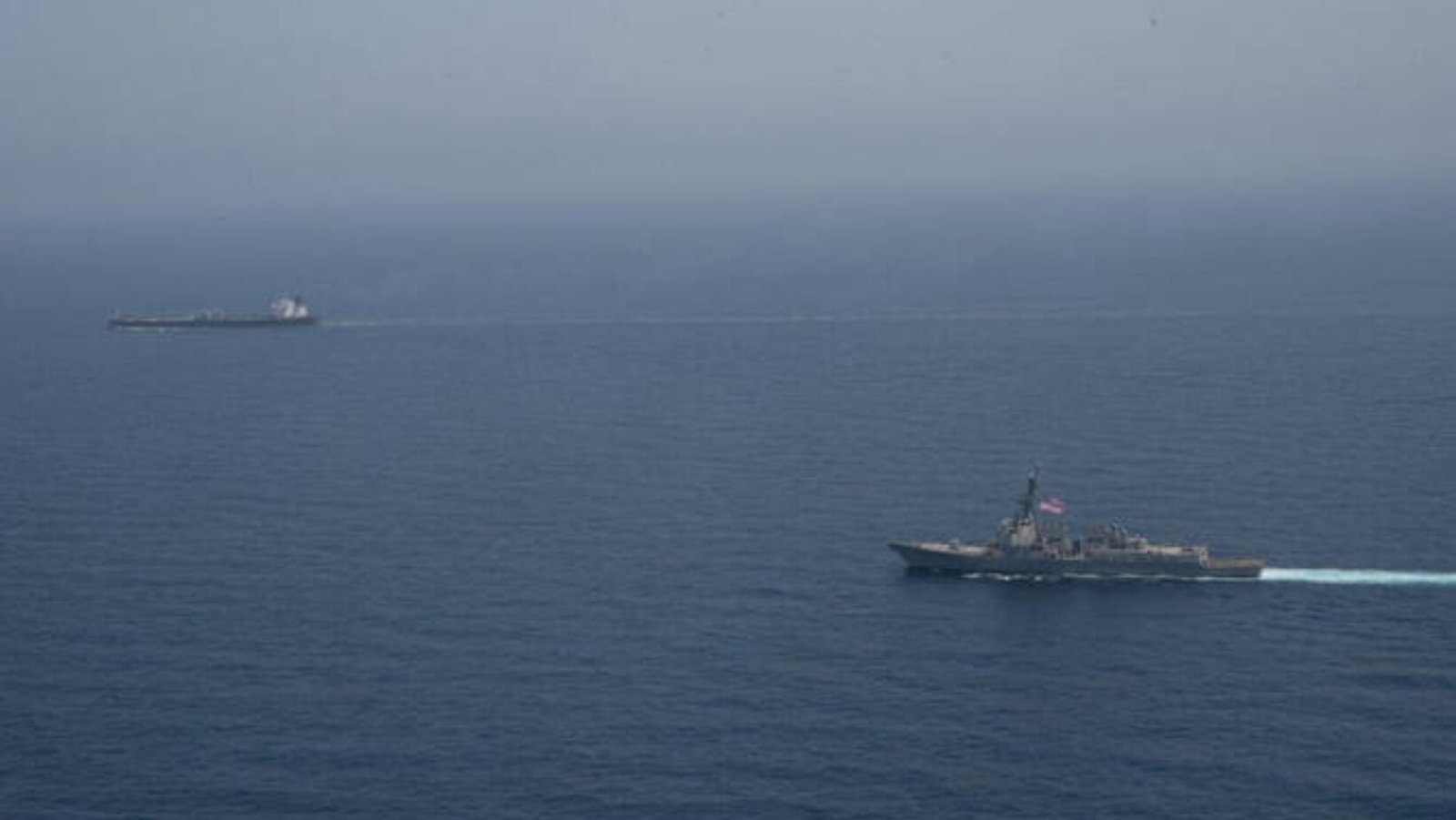
Naval presence in key waterways has grown, and defense systems are being reinforced. Analysts warn that even a minor incident could escalate rapidly, drawing additional countries into the conflict.
The situation has become increasingly complex, with regional alliances and rivalries influencing how events unfold. The possibility of a broader confrontation cannot be ruled out if diplomatic efforts fail.
Global Reaction Remains Divided on US Strategy
International response to the move where Trump Extends Iran Deadline in Cryptic Post has been mixed. Some governments view the extension as a positive sign that diplomacy is still being pursued, offering a chance to avoid conflict.
Others, however, have raised concerns about the tone of the warnings and the potential humanitarian impact of any military action. Critics argue that targeting infrastructure could lead to severe consequences for civilians and destabilize the region further.
Meanwhile, financial markets continue to react cautiously, with investors closely monitoring developments for any indication of escalation or resolution.
Internal Pressures Add Complexity to Iran’s Position
Another important factor linked to Trump Extends Iran Deadline in Cryptic Post is the internal situation within Iran. Economic challenges, largely driven by sanctions and inflation, have already placed significant strain on the population.
Previous protests and ongoing dissatisfaction have added pressure on the government, making the current crisis even more sensitive. Any decision regarding negotiations or resistance carries both domestic and international implications.
This internal dynamic may influence how Iran responds to the extended deadline, as leaders weigh the risks of escalation against the need for stability.
Critical Hours Ahead After Deadline Extension
As Trump Extends Iran Deadline in Cryptic Post, attention now shifts to how Tehran will respond within the new timeframe. The coming hours are expected to be crucial in determining the next phase of the crisis.
If an agreement is reached, it could ease tensions and restore stability to global markets. However, failure to secure a deal may lead to immediate and severe consequences, including the possibility of military strikes.
Experts emphasize that the situation remains highly unpredictable, with both sides holding firm positions while leaving room for last-minute negotiations.
Conclusion: A Defining Moment in US-Iran Relations
The development in which Trump Extends Iran Deadline in Cryptic Post marks a critical moment in the ongoing standoff between Washington and Tehran. The balance between diplomacy and conflict remains uncertain, with the outcome likely to have far-reaching implications.
As the deadline approaches, the world watches closely, aware that the decisions made in the coming hours could reshape the geopolitical landscape of the Middle East. Whether this leads to resolution or escalation will depend on the willingness of both sides to find common ground under intense pressure.
For more updates on US-Iran tensions, Strait of Hormuz developments, and global security news, follow ongoing coverage on Time of Gulf.