Middle East Trade Disruption: Gulf War Economic Impact on Global Economy, Trade Routes, and Energy Markets in 2026
Middle East Trade Disruption and Global Economic System
The Middle East Trade Disruption has emerged as a defining challenge for the global economy in recent years. Modern economic systems rely heavily on interconnected trade routes, stable energy supplies, and efficient logistics networks. When instability affects a region as critical as the Middle East, the consequences quickly spread across international markets.
The region plays a central role in global oil production and maritime trade corridors. Even limited disruptions can influence fuel prices, supply chains, and inflation across multiple continents. This interconnected nature of global commerce makes the Middle East Trade Disruption a key concern for policymakers and businesses alike.
As geopolitical tensions continue to evolve, the Middle East Trade Disruption is no longer a short-term issue but a structural factor shaping global trade decisions and long-term economic strategies worldwide today.
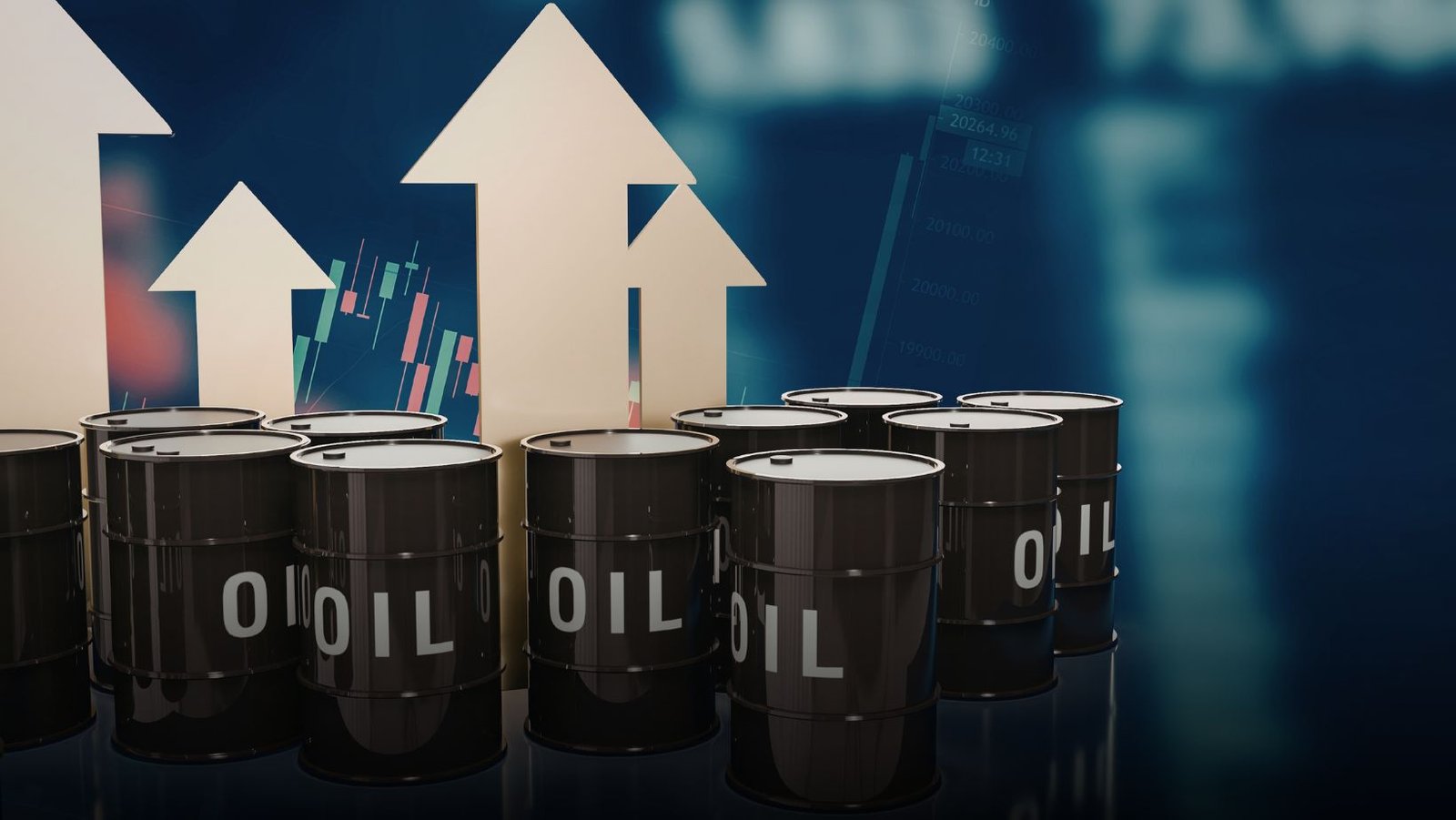
Recent developments show increasing oil price volatility during geopolitical uncertainty.
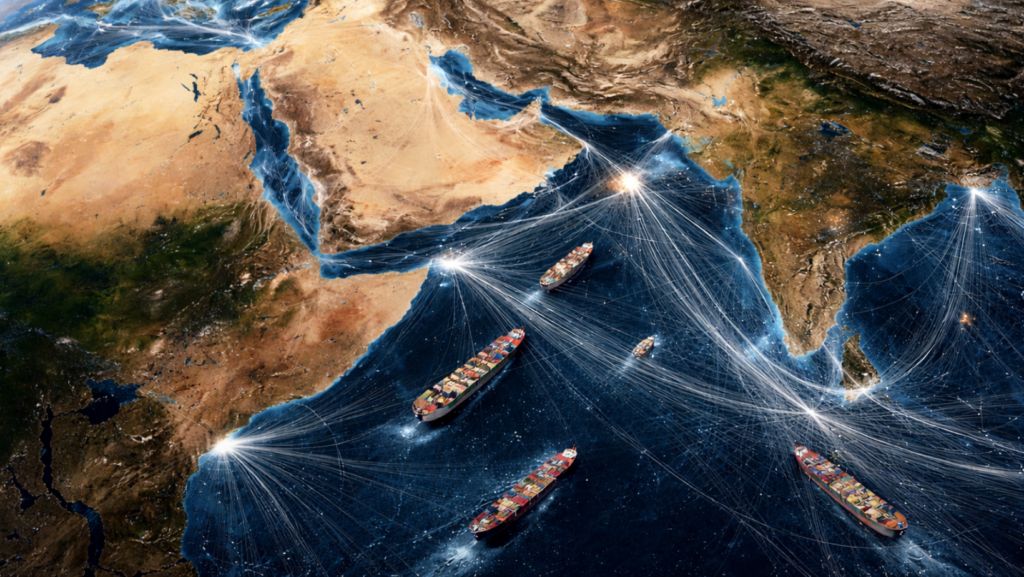
Middle East Trade Disruption in Global Trade Routes
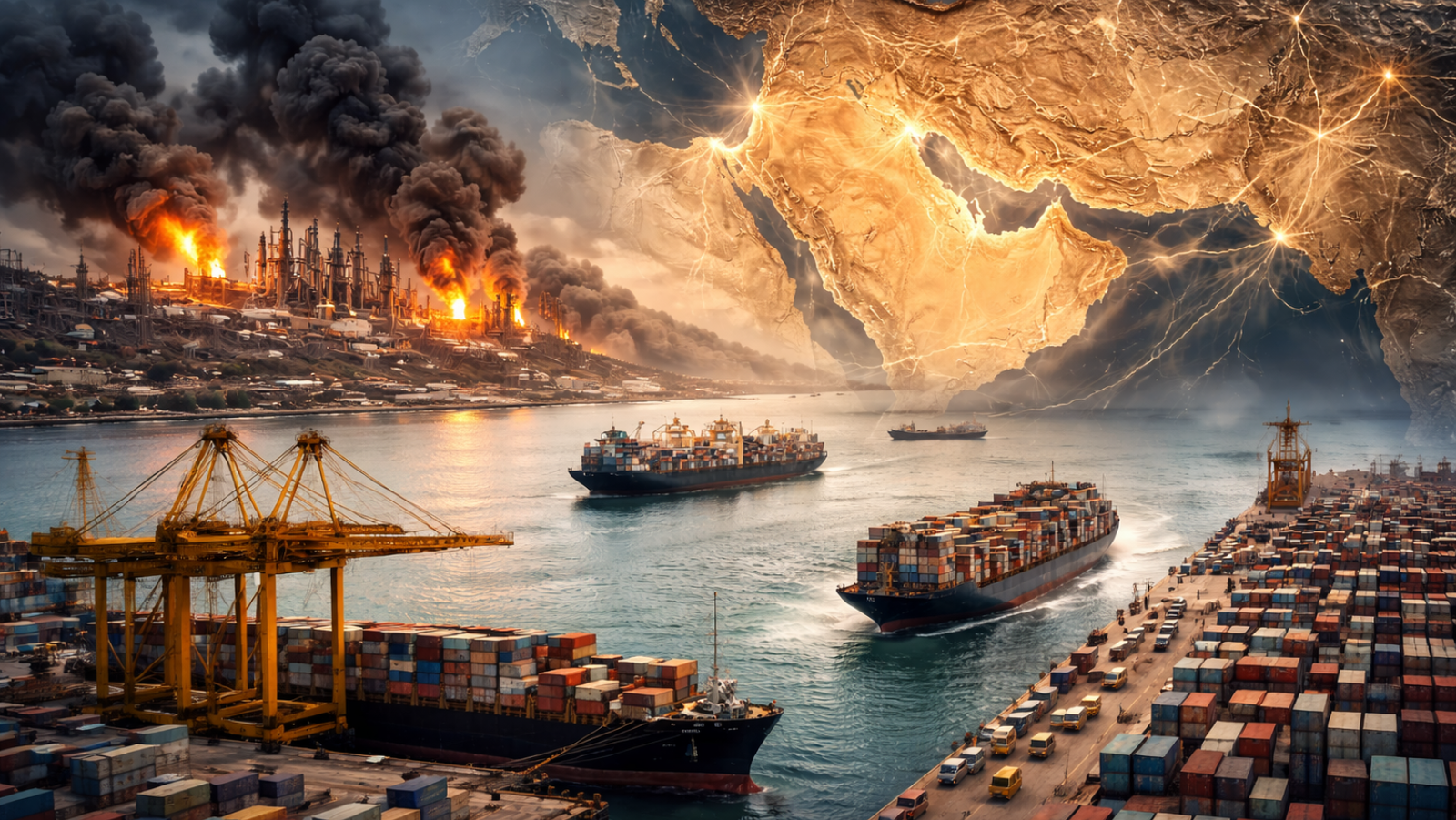
The Middle East Trade Disruption in Global Trade Routes refers to interruptions in shipping and logistics caused by instability in the Gulf region. One of the most sensitive areas affected is the Strait of Hormuz, a critical passage for global oil transportation.
When disruptions occur in this region, shipping companies face delays, increased insurance costs, and forced rerouting. These challenges reduce efficiency and raise transportation expenses across global supply chains. Businesses dependent on predictable delivery schedules are particularly affected by these sudden changes.
Over time, companies begin exploring alternative routes and logistics strategies to reduce risk exposure. The Middle East Trade Disruption in Global Trade Routes therefore encourages diversification and reshapes global trade planning.
“When important trade routes become unstable or unpredictable, global trade systems have to quickly adapt to keep everything running smoothly and maintain stability.”
Gulf War Economic Impact on Global Economy and Markets
The Gulf War Economic Impact on Global Economy demonstrates how regional conflict can influence financial systems worldwide. Oil markets typically react first, with prices becoming volatile due to uncertainty in supply conditions.
This volatility extends to stock markets, currency exchange rates, and commodity trading platforms. Investors often reduce exposure to risk, leading to fluctuations in financial markets and reduced investment activity.
The Middle East Trade Disruption amplifies these effects by increasing uncertainty in both energy availability and logistics networks. As a result, global markets experience short-term instability while adjusting to new economic conditions.
In extreme scenarios, analysts warn about global recession risk if oil hits $150.
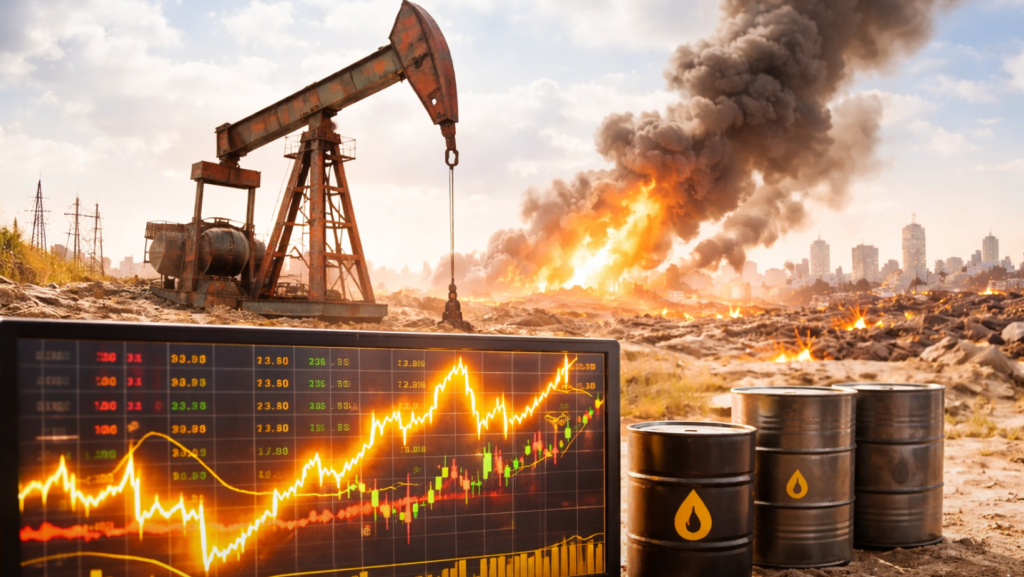
Oil Price Impact War Middle East and Inflation Pressure
The Oil Price Impact War Middle East and Inflation Pressure remains one of the most immediate consequences of regional instability. Since the Middle East supplies a significant portion of global oil, even minor disruptions can cause noticeable price increases.
According to global energy data, the Middle East remains a key contributor to worldwide oil supply.
Higher oil prices directly affect transportation, manufacturing, and energy costs. These increases are eventually passed on to consumers, leading to inflation in goods and services.
The Middle East Trade Disruption creates a ripple effect that impacts both developed and developing economies. Countries heavily dependent on imported energy are particularly vulnerable to these changes.

Global Supply Chain Disruption and Logistics Systems
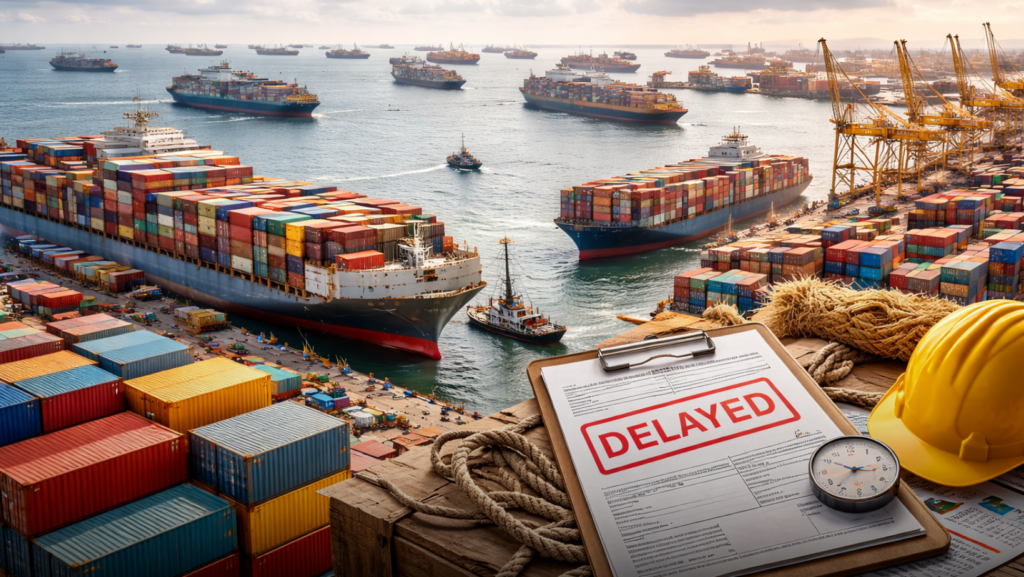
The Global Supply Chain Disruption caused by Middle East Trade Disruption significantly affects the efficiency of international trade systems. Modern supply chains depend on reliable shipping routes and predictable delivery timelines.
When instability forces ships to take longer routes, delivery times increase and logistics costs rise. This disrupts manufacturing schedules and retail supply chains, especially for industries relying on just-in-time production.
Companies respond by diversifying suppliers and adjusting logistics strategies to reduce dependency on vulnerable trade corridors.
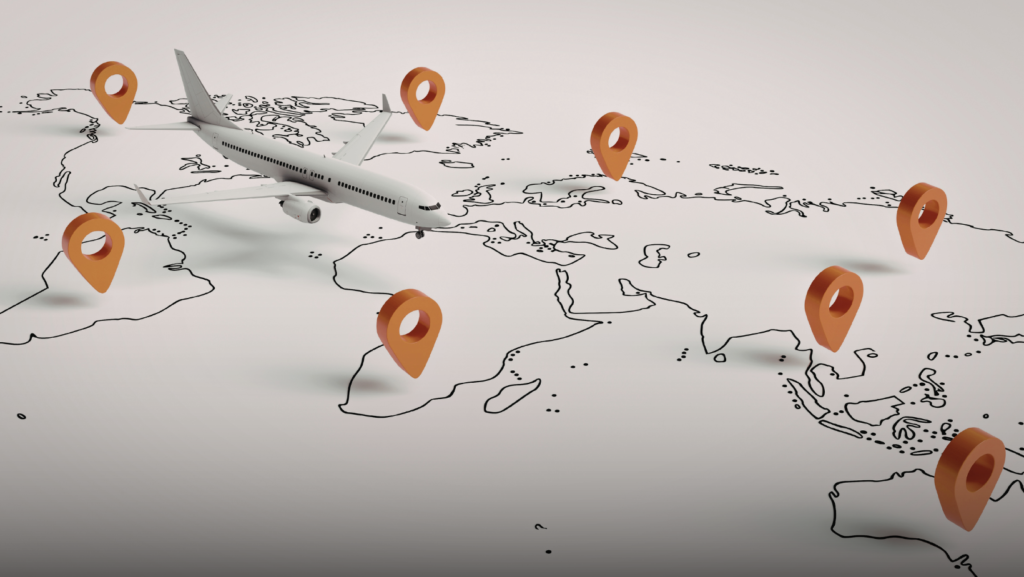
Aviation Industry and Trade Route Rebalancing
The aviation sector is also influenced by the Middle East Trade Disruption. Airlines operating through affected regions must adjust routes, increasing travel distance and fuel consumption.
Cargo airlines face shifting demand patterns, while passenger airlines deal with scheduling disruptions and cost pressures. Although some carriers benefit from redistributed traffic, the overall industry experiences operational challenges.
These changes highlight how air transport is closely linked to geopolitical stability and global trade flows.
Reduced Economic Concentration in Global Trade Systems
Another important outcome of the Middle East Trade Disruption is the gradual reduction in economic concentration. Historically, Gulf hubs dominated global trade and logistics networks.
Disruption encourages countries and businesses to explore alternative routes and partnerships. This diversification reduces reliance on a single region and strengthens long-term supply chain resilience.
Although short-term inefficiencies may arise, the global trade system becomes more balanced over time.
Infrastructure Development and Emerging Trade Corridors
Trade disruptions often accelerate investment in infrastructure across multiple regions. Governments focus on developing ports, logistics hubs, and transportation networks to capture shifting trade flows.
In some cases, previously underutilized infrastructure gains temporary importance. This creates opportunities for regional development and increased economic activity.
However, sustaining these gains requires long-term planning and integration into global trade systems.
Emerging Role of South Asian Trade Routes
In the context of Middle East Trade Disruption, South Asian trade routes occasionally gain attention as alternative logistics options. These routes are considered during periods of instability in traditional Gulf corridors.
For example, ports in Pakistan, including Karachi and Gwadar, may experience increased interest during such periods. However, these changes are typically temporary and depend on global shipping conditions.
While trade volumes and revenue may rise during disruptions, long-term growth depends on consistent infrastructure development and global integration strategies.
Short Term vs Long Term Economic Effects of War
The economic impact of regional conflict differs over time. In the short term, the Gulf War Economic Impact on Global Economy leads to inflation, financial instability, and disrupted trade flows.
Businesses face uncertainty and increased operational costs, while markets remain volatile. In the long term, however, economies adapt by diversifying supply chains and investing in resilience.
This adjustment helps create a more stable and flexible global economic system.
Conclusion: Middle East Trade Disruption and Global Economic Future
The Middle East Trade Disruption highlights the interconnected nature of the global economy. Regional instability quickly affects trade routes, energy markets, and financial systems worldwide.
While some regions may experience temporary economic opportunities, the overall impact remains challenging. The Gulf War Economic Impact on Global Economy continues to influence global trade patterns and investment strategies.
Ultimately, stability remains essential for sustainable economic growth. As global systems evolve, adaptability and diversification will play a crucial role in managing future disruptions.
What is Middle East Trade Disruption?
It refers to instability in Middle Eastern trade routes affecting global shipping, oil supply, and logistics systems.
How does Gulf War impact global economy?
It causes oil price volatility, inflation, and disruption in global supply chains.
Why are oil prices affected?
Because the Middle East supplies a large portion of global oil production.
Do other regions benefit from disruption?
Yes, but mostly on a temporary basis due to rerouted trade flows.
Is this impact long-term?
Short-term effects are strong, but long-term impact depends on global adaptation.