UAE bans Iranian nationals entry and transit amid rising regional tensions
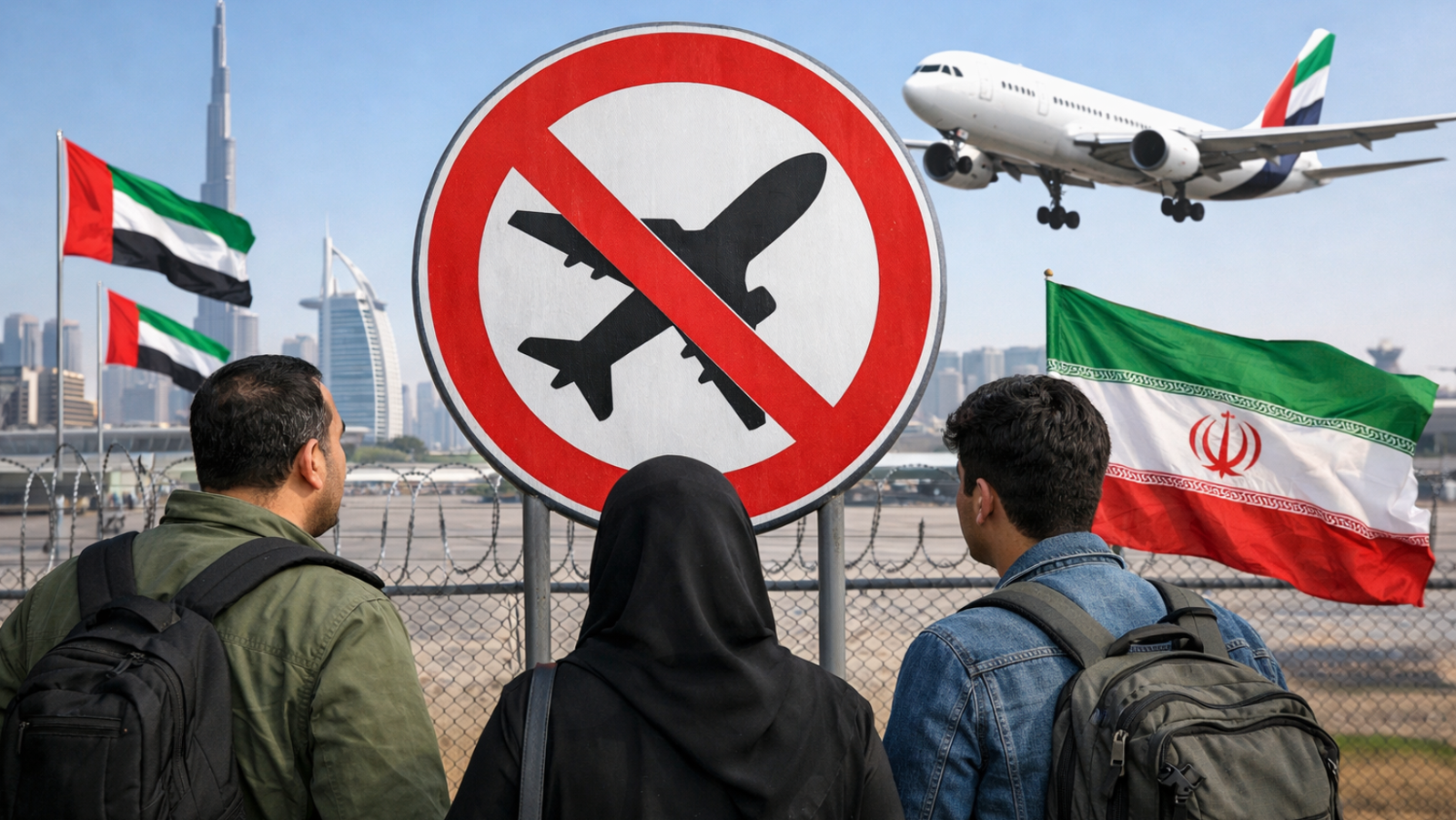
UAE bans Iranian nationals entry and transit with new airline restrictions
Major airlines in the United Arab Emirates have introduced updated travel restrictions, confirming that Iranian nationals are currently not allowed to enter or transit through the country. The changes come at a time when regional tensions continue to affect aviation operations and cross-border movement across the Middle East.
The updated guidance has been published on official airline platforms, where passengers are advised to carefully review travel eligibility before booking flights. These measures apply to both direct entry into the UAE and transit through its major international airports, making it a significant development for travelers from Iran.
Temporary restrictions affecting travelers
UAE bans Iranian nationals entry and transit as part of temporary measures introduced by airlines. According to the latest updates, Iranian passport holders are not permitted to travel into the UAE or use it as a transit hub for onward journeys.
Although no official reason has been clearly stated, such restrictions are often linked to security concerns and operational risks during times of regional instability. Aviation authorities typically take precautionary steps to ensure passenger safety and maintain smooth airport operations under uncertain conditions.
The restrictions have created confusion among travelers, especially those with existing bookings or urgent travel plans. Many passengers are now seeking alternative routes or postponing their trips until clearer guidelines are issued.
Exemptions for selected categories
UAE bans Iranian nationals entry and transit but allows certain exceptions under specific conditions. Individuals holding UAE Golden Visas are exempt from these restrictions and can continue to travel as per existing regulations.
In addition, close family members of UAE nationals, including spouses and children, are permitted to enter the country. Some professional categories have also been granted exemptions, such as doctors, engineers, investors, and senior business professionals, reflecting their importance in key sectors.
These exemptions indicate that while the policy is strict, it is designed to allow flexibility for individuals with strong ties to the UAE or essential roles in the economy. Authorities appear to be balancing security concerns with the need to maintain critical movement.
Airlines update systems and policies
UAE bans Iranian nationals entry and transit as leading airlines update their booking systems and travel policies. These changes have been reflected across official websites to ensure passengers are informed before making travel arrangements.
Airlines have also emphasized the importance of checking the latest updates before departure, as rules may change rapidly depending on the evolving situation. Travelers are encouraged to stay connected with official channels to avoid disruptions or denied boarding.
The aviation sector has been adapting quickly to new challenges, adjusting schedules and policies to align with safety requirements and government directives. This flexibility is essential in maintaining operations during uncertain times.
Impact on regional aviation sector
UAE bans Iranian nationals entry and transit, adding further pressure to an already strained aviation industry. Over recent weeks, airspace restrictions and security concerns have forced airlines to modify flight routes and reduce frequencies on certain services.
Despite these challenges, UAE-based carriers continue to operate flights to major global destinations, maintaining connectivity across hundreds of cities worldwide. However, the reduced capacity and operational adjustments have affected passenger convenience and travel planning.
For many travelers, the restrictions mean reconsidering their itineraries, exploring alternative transit hubs, or delaying travel altogether. The situation highlights the fragile nature of international aviation during periods of geopolitical tension.
Broader regional tensions influencing travel
UAE bans Iranian nationals entry and transit amid ongoing geopolitical tensions that continue to impact multiple sectors, including aviation and energy. The situation has created an environment of caution among governments, airlines, and international organizations.
Security concerns, combined with the risk of further escalation, have made it necessary for authorities to implement strict travel measures. These developments show how closely global mobility is linked to regional stability and political dynamics.
As tensions persist, additional travel restrictions or policy changes cannot be ruled out. Authorities are likely to continue monitoring the situation closely and adjust regulations as needed to ensure safety.
What travelers should expect next
UAE bans Iranian nationals entry and transit, and the duration of these measures remains uncertain. The timeline for easing restrictions will largely depend on how the regional situation evolves in the coming days and weeks.
Travelers affected by the changes are advised to stay updated through official airline websites and government announcements. It is also recommended to confirm eligibility before heading to the airport to avoid inconvenience.
Airlines are expected to provide further updates as new information becomes available. Flexibility will be key for passengers planning travel during this period, as conditions may change with little notice.
Growing importance of real-time travel updates
UAE bans Iranian nationals entry and transit, highlighting the importance of real-time information in today’s travel environment. Passengers are increasingly relying on digital platforms and official announcements to stay informed about changing rules.
Airlines and authorities are working to improve communication, ensuring that travelers receive timely updates regarding restrictions, exemptions, and operational changes. This approach helps reduce confusion and enhances the overall travel experience, even during challenging situations.
The current scenario serves as a reminder that international travel can be influenced by a wide range of factors, from political developments to security concerns. Staying informed is essential for making safe and informed travel decisions.
For more updates on UAE travel rules and regional developments, visit TimeOfGulf and check our latest coverage on Gulf aviation and travel restrictions.