
Oil jumps over 5% as Trump continues Iran attacks
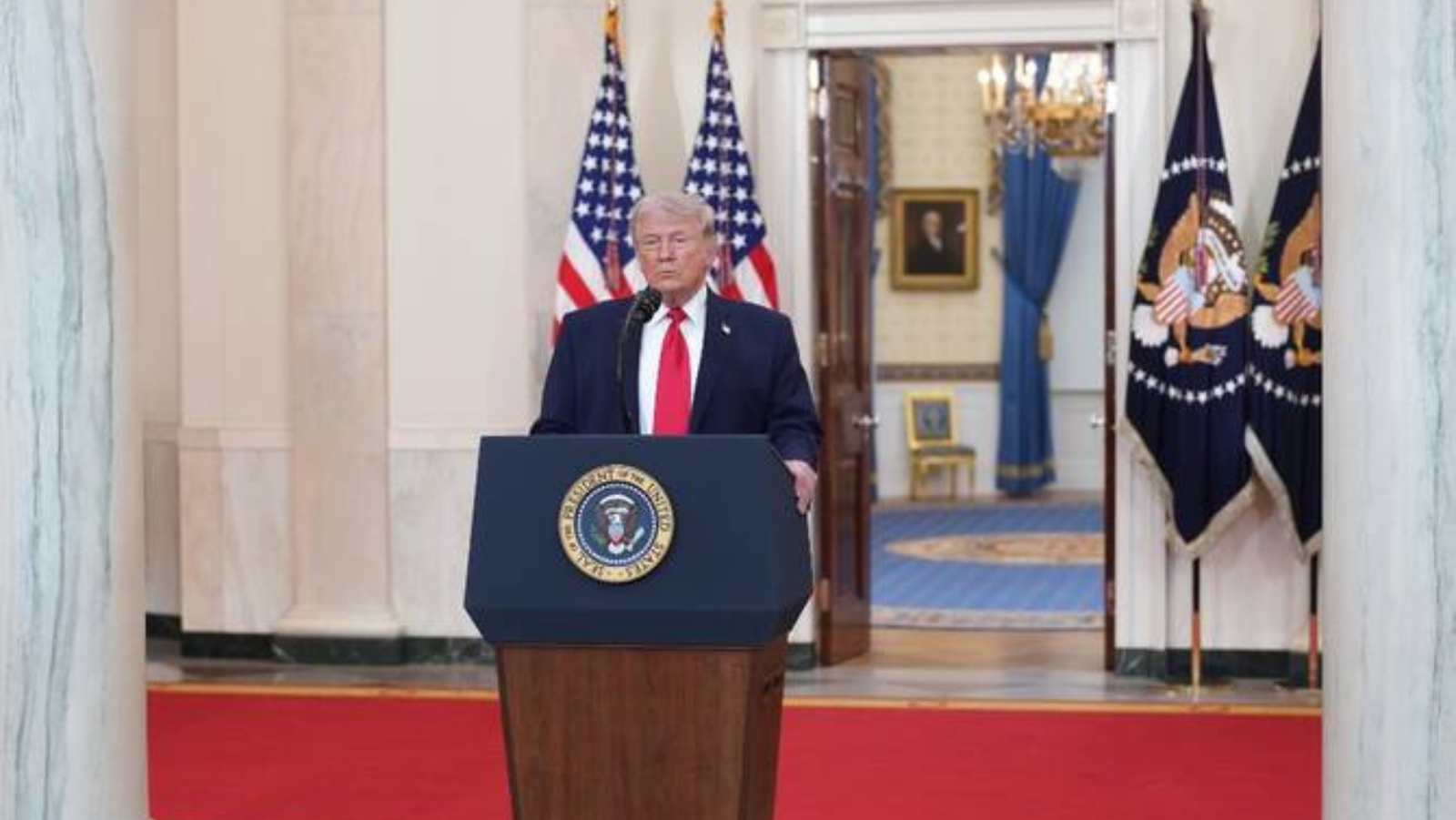
Oil jumps over 5% as Trump continues Iran attacks amid war fears
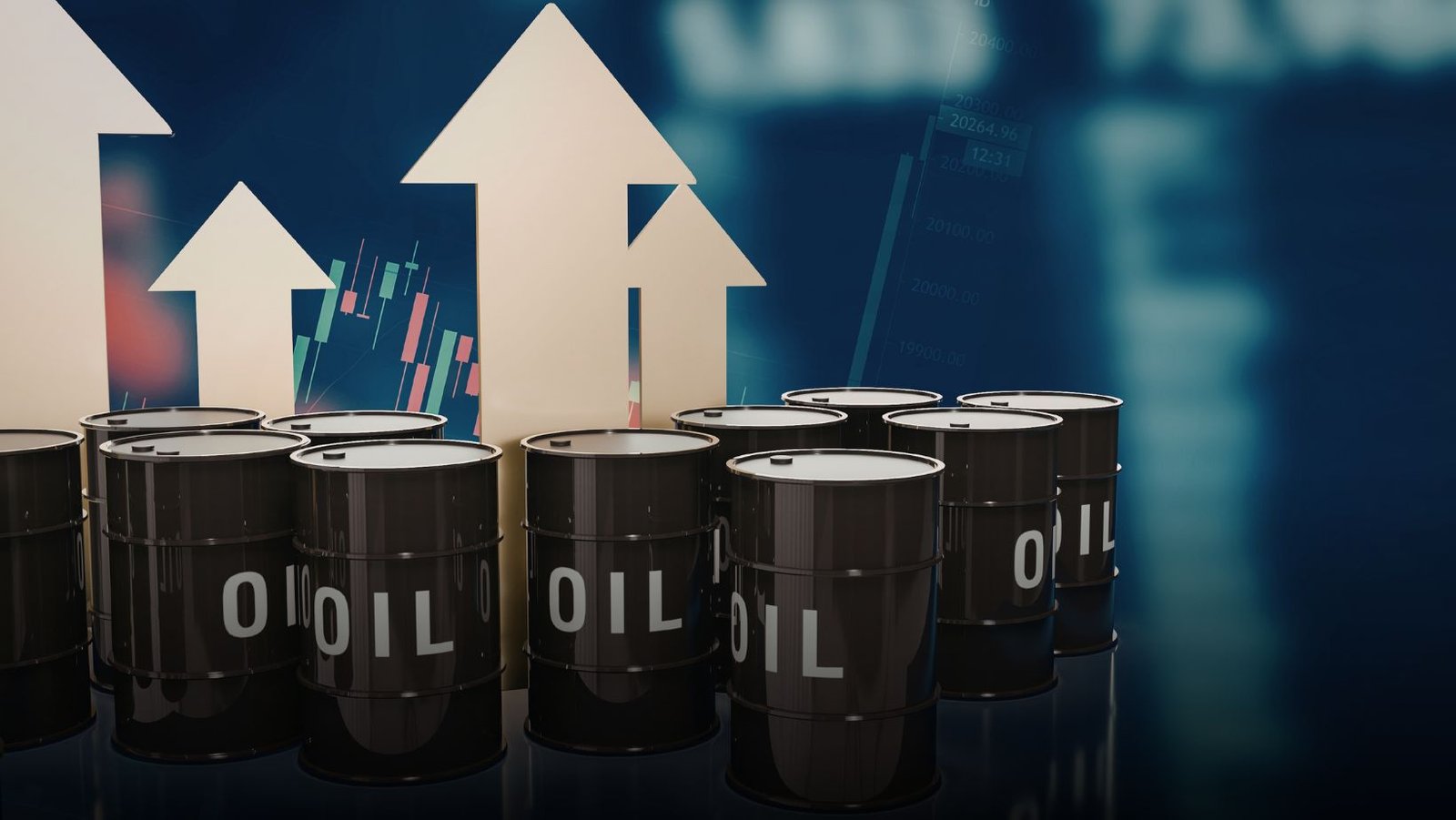
Oil prices surged sharply in global markets after US President Donald Trump confirmed that military operations against Iran would continue, raising concerns about prolonged conflict and supply disruptions. The sudden increase reflects growing anxiety among investors who fear that escalating tensions could impact critical energy routes and global oil availability.
Brent crude and US benchmark oil both recorded significant gains, reversing earlier declines and moving higher as traders reacted to the latest developments. The market shift highlights how sensitive energy prices remain to geopolitical risks, particularly in regions central to global oil production and transportation.
Market reaction to continued military pressure
Oil jumps over 5% as Trump continues Iran attacks, triggering immediate reactions across energy markets. Investors responded quickly to the announcement, pushing crude prices upward as expectations of supply instability intensified.
Earlier in the trading session, oil prices had declined slightly, reflecting cautious optimism that tensions might ease. However, the president’s remarks removed any immediate hope for de-escalation, causing a rapid reversal in market sentiment. Traders began pricing in the likelihood of sustained disruptions, leading to a strong rally in oil futures.
Market analysts note that uncertainty plays a major role in price volatility. When geopolitical risks rise without a clear timeline for resolution, energy markets tend to react aggressively, often pushing prices higher as a precautionary measure.
Lack of ceasefire signals fuels uncertainty
Oil jumps over 5% as Trump continues Iran attacks without offering a clear ceasefire plan. The absence of diplomatic signals has increased concerns that the conflict could extend longer than expected.
Experts highlight that markets closely monitor not only military developments but also political messaging. When leaders fail to outline a path toward negotiations or peace, it creates uncertainty that directly impacts investor confidence. In this case, the lack of clarity has reinforced fears that oil supply routes could remain under threat.
Shipping lanes in the region are especially critical, as they handle a large portion of global energy exports. Any disruption in these routes can quickly translate into higher prices worldwide.
Rising risks to maritime and energy supply routes
Oil jumps over 5% as Trump continues Iran attacks, with growing concerns about threats to maritime traffic. Reports of incidents involving oil tankers have added to market anxiety, raising the possibility of further disruptions in key shipping corridors.
Energy experts warn that increased military activity near vital waterways could significantly impact the flow of oil. Even minor disruptions can create ripple effects, as supply chains adjust to new risks and transportation costs increase.
The situation is particularly sensitive because many countries rely heavily on stable oil shipments from the region. Any interruption can lead to shortages, price spikes, and broader economic challenges.
Broader impact on global economy
Oil jumps over 5% as Trump continues Iran attacks, and the effects are being felt beyond energy markets. Rising oil prices typically lead to higher costs for transportation, manufacturing, and goods production, which can contribute to inflation.
Consumers may begin to notice increased fuel prices, while businesses face higher operational expenses. Over time, these changes can slow economic growth, especially in countries that depend on imported energy.
Financial markets have also shown signs of volatility, with investors shifting strategies to manage risk. Some sectors benefit from higher oil prices, but others, particularly those reliant on stable energy costs, face increased pressure.
Gold and commodities reflect investor caution
Oil jumps over 5% as Trump continues Iran attacks, and other commodities are also reacting. Gold prices have risen as investors seek safer assets during periods of uncertainty. This trend reflects a broader shift toward risk management as geopolitical tensions escalate.
Precious metals often gain value when markets become unstable, serving as a hedge against inflation and economic disruption. The current movement in gold prices indicates that investors are preparing for continued uncertainty in the global economy.
At the same time, other metals have shown mixed performance, reflecting varied demand expectations across industries. The overall trend, however, points to cautious sentiment among traders.
Analysts warn of further price increases
Oil jumps over 5% as Trump continues Iran attacks, and analysts warn that prices could climb even higher if tensions intensify. Market experts suggest that without a clear resolution, oil could test new highs in the coming weeks.
The key factors influencing future prices include the duration of the conflict, the level of disruption to supply routes, and any developments in diplomatic efforts. If risks to shipping lanes increase or production facilities are affected, the impact on prices could be even more significant.
Some analysts also note that speculative trading can amplify price movements during periods of uncertainty. As traders react to headlines and forecasts, short-term fluctuations may become more pronounced.
Outlook for the coming weeks
Oil jumps over 5% as Trump continues Iran attacks, setting the stage for continued volatility in global markets. The coming weeks will be critical in determining whether the situation stabilizes or escalates further.
Investors, governments, and businesses are closely monitoring developments, as decisions made during this period could have long-lasting effects on the global economy. Energy markets, in particular, will remain highly sensitive to any changes in military or diplomatic activity.
While there is still hope for de-escalation, the current outlook suggests that uncertainty will persist. Until clearer signals emerge, oil prices are likely to remain elevated, reflecting the ongoing risks associated with the conflict.
For the latest updates on global oil markets and geopolitical developments, visit TimeOfGulf news.
Nice read, I just passed this onto a colleague who was doing a little research on that. And he actually bought me lunch since I found it for him smile So let me rephrase that: Thanks for lunch!