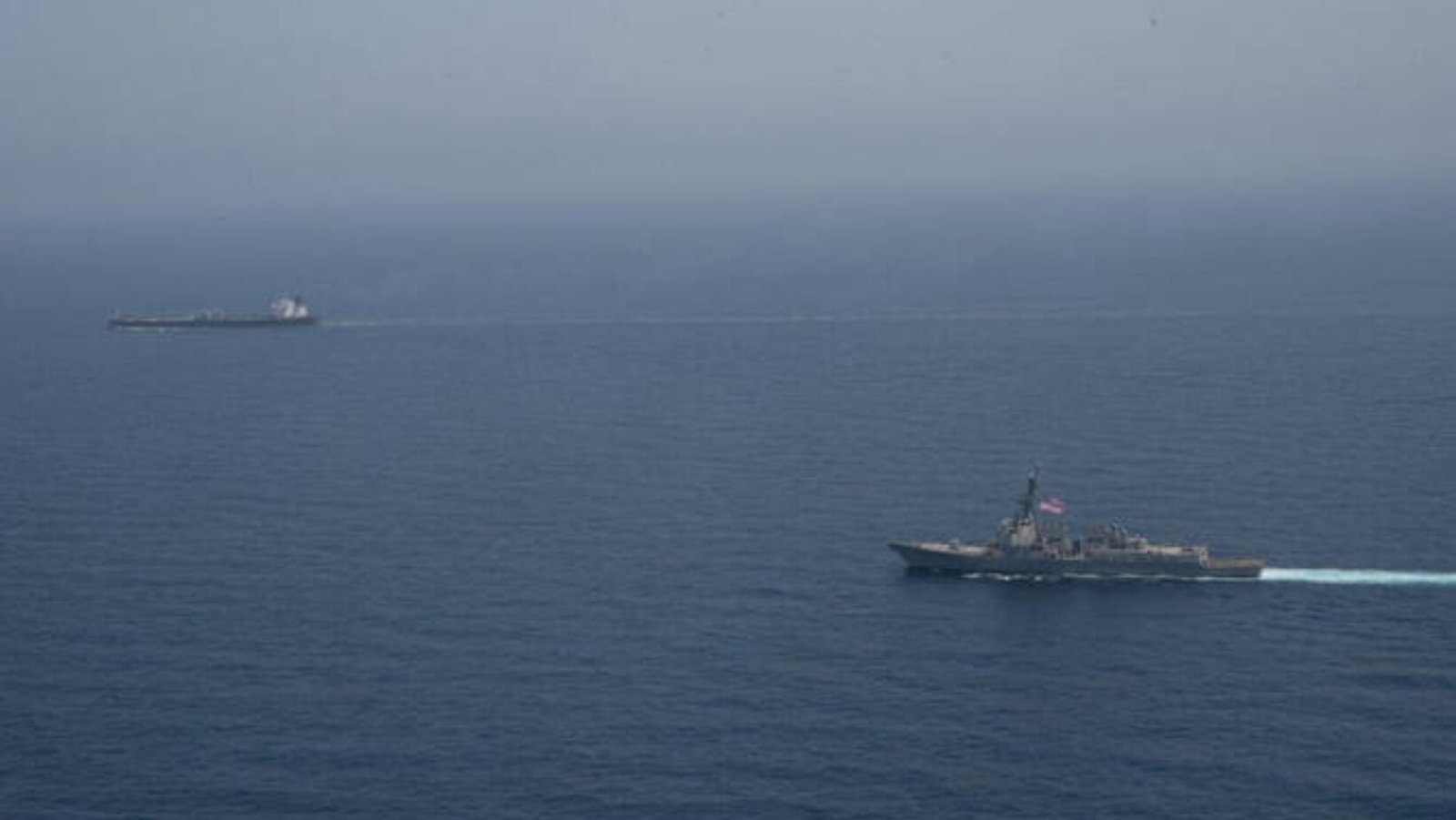

Europe pushes back on US military Iran operations
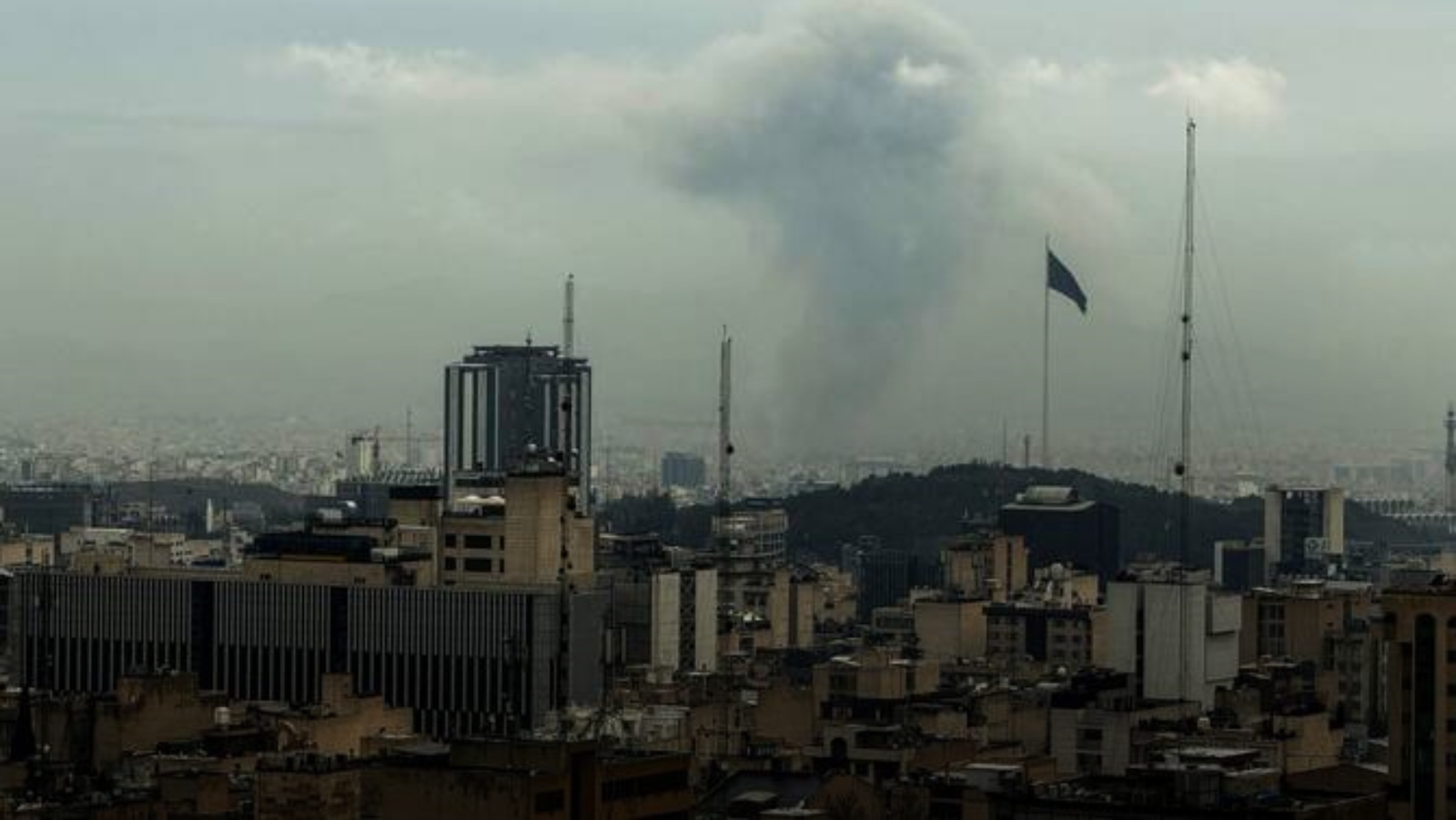
Europe pushes back on US military Iran operations amid NATO tensions
France, Italy, and Spain have resisted some US military operations against Iran, creating tension between Washington and its key NATO allies. Sources confirmed that these European nations denied overflight permissions and base access to US forces, marking a significant diplomatic challenge. Europe pushes back on US military Iran operations underscores the divisions among allied countries as the US-Iran conflict continues. President Donald Trump criticized NATO allies, calling some unhelpful, highlighting the strain on international coordination.
The decisions by European countries come amid ongoing military campaigns in the region. The US has coordinated with Israel in airstrikes against strategic targets in Iran, but several NATO members have limited support. Europe pushes back on US military Iran operations illustrates the growing friction over how allied forces are involved in distant conflicts. Analysts note that this could impact operational planning and the logistics of ongoing strikes.
France denies US overflight for military missions
President Trump publicly criticized France for blocking US aircraft carrying military supplies to Israel from flying over French territory. In a Truth Social post, he described France as “VERY UNHELPFUL” in supporting US-led operations. France’s presidency stated that its decision aligns with national policy and stressed that the ban does not contradict international obligations.
The French restriction reportedly prevented aircraft transporting US weapons for use in the conflict with Iran. Israel’s defense ministry condemned the action, stating that munitions were intended solely for countering Iranian threats. France argued that its stance is consistent with legal and strategic commitments, emphasizing that operational coordination with NATO remains intact. Europe pushes back on US military Iran operations through France highlights how allied nations are asserting sovereignty even during collective defense operations.
Italy restricts US access to airbases
Italy recently denied permission for US military planes to land at Sigonella Air Base in Sicily before proceeding to the Middle East. According to local reports, US bombers intended to refuel and prepare for missions targeting Iran. Italy’s Defence Minister Guido Crosetto clarified that there was no rift with Washington, explaining that special permissions are required for operations outside pre-existing agreements.
Observers note that this restriction demonstrates Europe’s cautious approach in direct involvement. Italy continues to host US forces, but operational access for extraordinary missions is subject to government review. Europe pushes back on US military Iran operations through Italy signals a careful balancing of national policy and alliance commitments. Experts suggest this may lead the US to rely more heavily on bases in other NATO countries for logistical support.
Spain closes airspace to US military flights
Spain has fully closed its airspace to US planes conducting missions against Iran, citing adherence to international law. Prime Minister Pedro Sanchez and Defence Minister Margarita Robles emphasized that Spanish bases would only support collective NATO defense, not offensive operations. Europe pushes back on US military Iran operations through Spain reflects growing public and political scrutiny of foreign military involvement.
Trump singled out Britain alongside Spain, France, and Italy for limited support. The US president highlighted strategic frustrations, especially regarding fuel and logistical access. Analysts argue that Spain’s restrictions could force the US to adjust its operational plans, delaying or rerouting certain air missions. The Strait of Hormuz remains a key logistical point, and Europe’s cautious approach has implications for regional fuel supply and security measures.
NATO divisions and US foreign policy challenges
The refusal of France, Italy, and Spain to facilitate US military operations has intensified debate over NATO’s role in modern conflicts. Trump has repeatedly criticized allies as unhelpful, raising questions about the alliance’s unity during active hostilities. Europe pushes back on US military Iran operations underscores how alliance commitments are tested when national interests diverge.
European officials argue that their restrictions do not undermine collective defense. They stress that NATO remains a critical alliance, but unilateral military operations in third countries require careful legal and ethical consideration. US defense officials, meanwhile, acknowledge the operational limitations imposed by allied restrictions, noting that contingency plans are in place to mitigate delays.
Regional and strategic implications
These restrictions have immediate operational implications. US and Israeli forces must coordinate alternative routes and bases for air missions targeting Iran. European airspace limitations affect refueling, transport of munitions, and troop deployments. Europe pushes back on US military Iran operations highlights how international diplomacy directly intersects with military logistics.
Analysts say the decisions of France, Italy, and Spain may encourage other NATO members to assert similar limitations in future conflicts. The US-Iran war has already strained fuel and supply chains in the region, and allied restrictions add complexity. Trump’s administration continues to emphasize national interest while urging European partners to increase support, but Europe has responded cautiously, prioritizing legal compliance and public opinion.
Reactions from European governments
France maintains that overflight denials were consistent with preexisting policy. Italian authorities stress that access to bases remains largely unchanged for routine operations. Spain’s government reinforced that airspace restrictions are designed to comply with international law rather than political opposition. Europe pushes back on US military Iran operations through transparent policy statements reflects efforts by governments to communicate their stance clearly while preserving alliance relations.
Diplomats note that maintaining NATO cohesion remains critical, even as disagreements emerge. These measures do not signal a complete withdrawal of European support but highlight the need for clear coordination between allies in operational planning. The US continues to work with willing partners to maintain military momentum while navigating complex alliance dynamics.
Conclusion: balancing alliance and sovereignty
The situation illustrates the challenge of balancing national sovereignty with alliance obligations. Europe pushes back on US military Iran operations demonstrates how NATO members can assert legal and policy boundaries while maintaining strategic cooperation. As the US-Iran war continues, operational planning must account for allied limitations, and diplomatic channels remain vital to avoiding escalation.
The recent pushback from France, Italy, and Spain also emphasizes the importance of multilateral coordination in conflicts affecting global security. For continued updates on NATO and regional military developments, visit TimeOfGulf.