Nepal’s former PM KP Sharma Oli arrested in protest crackdown probe
Investigation into September youth protests leads to Nepal’s former PM detention amid legal proceedings
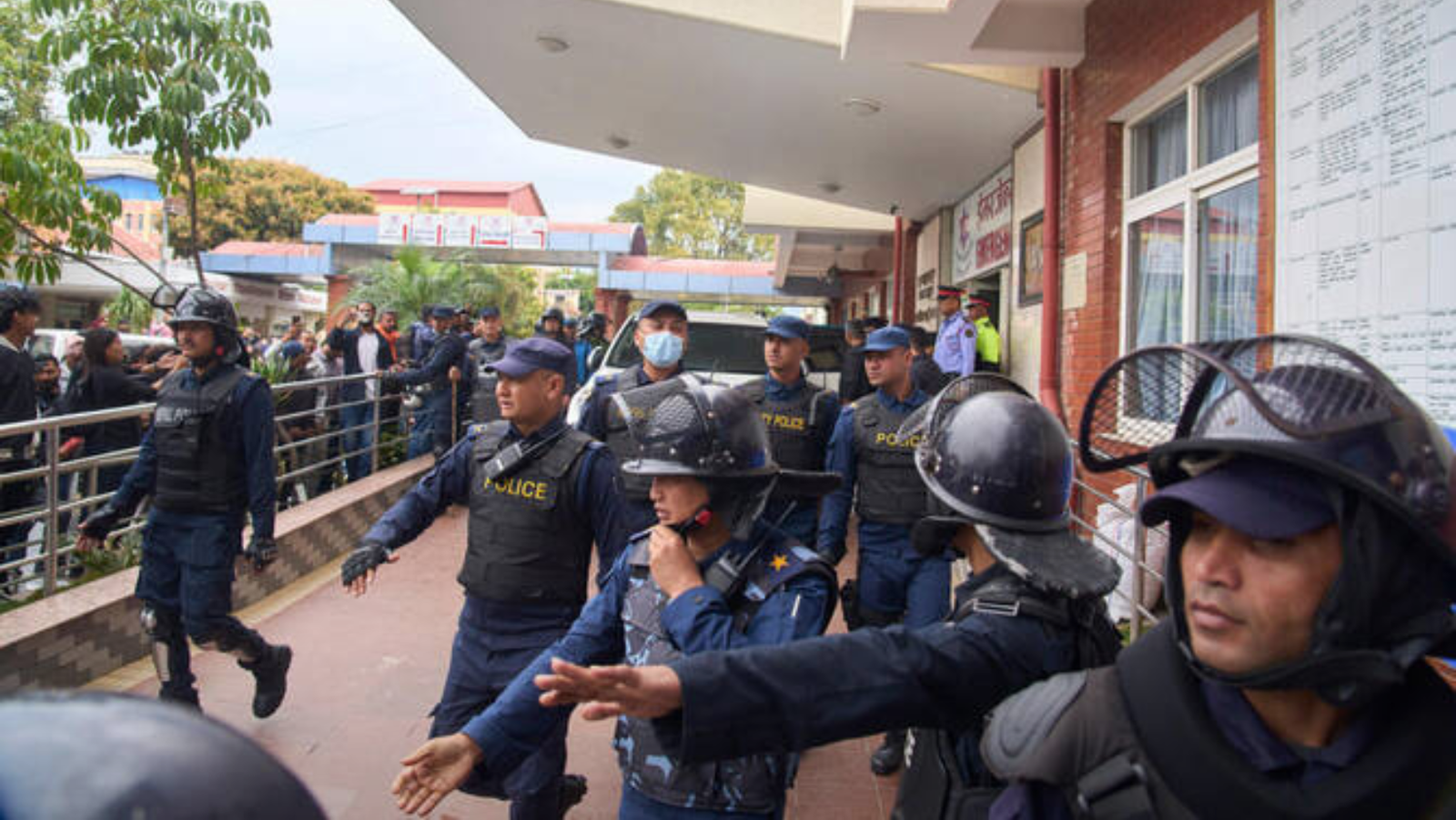
Nepal’s political landscape faced a historic turn on Saturday as Nepal’s former PM KP Sharma Oli arrested early in the morning over his alleged involvement in a deadly crackdown on protesters in September 2025. The arrest, conducted in the capital Kathmandu, also involved former Home Minister Ramesh Lekhak, signaling the government’s commitment to enforcing accountability for past political actions.
Police confirmed that both former leaders are being held for investigation regarding the events surrounding the anti-corruption youth uprising that shook the nation. The detentions followed the recent swearing-in of Prime Minister Balendra Shah and his newly formed cabinet, marking the first government established after the elections that concluded earlier this month.
Details of the September 2025 youth uprising and crackdown
The protests erupted on September 8, 2025, initially sparked by a brief social media ban, but rapidly escalated into a nationwide movement against corruption and economic mismanagement. According to official reports, security forces opened fire on demonstrators, resulting in the deaths of at least 76 people over the two-day unrest.
The first day of the protests saw 19 young protesters killed, while subsequent days involved clashes that led to widespread damage, including the burning of government offices and parliament buildings. The violence ultimately forced Oli’s resignation on September 9, 2025, and ended his tenure as Nepal’s 74-year-old prime minister.
A government-backed commission later conducted an extensive inquiry into the events, gathering evidence from over 200 individuals and compiling a report exceeding 900 pages, with an additional 8,000 pages of supplementary material. The commission concluded that while it could not prove there was a direct order to shoot protesters, negligence by security leadership—including the former prime minister—contributed to the fatalities, including minors.
Arrest and procedural details
Authorities apprehended KP Sharma Oli in the early hours of Saturday, escorting him to a hospital in Kathmandu for medical evaluation due to pre-existing heart and kidney conditions. Police spokesperson Pawan Kumar Bhattarai confirmed that Oli’s detention is for investigative purposes related to the September protests.
During the arrest, former Prime Minister Oli appeared calm but reiterated his innocence, stating that he would contest the charges through legal channels. He told his legal team, “This arrest is vindictive. I will fight it in court. Prepare yourselves.”
Former Home Minister Ramesh Lekhak was taken into custody alongside Oli, and both are under strict police supervision. The arrests are being closely monitored by human rights organizations and international observers due to the political sensitivity of the case.
Government stance and public response
Newly appointed Prime Minister Balendra Shah, a 35-year-old former rapper-turned-politician, and his cabinet have pledged to implement the recommendations of the commission investigating the September protests. Shah’s party, Rastriya Swatantra Party (RSP), won a decisive victory on a platform emphasizing youth-driven political reform and accountability.
Home Minister Sudan Gurung, a prominent participant in the September protests, described the arrests as “the beginning of justice, not revenge,” asserting that no one in Nepal is above the law. He emphasized that the country is entering a new political chapter where transparency and accountability are central to governance.
Public reaction to the arrests has been mixed. Supporters of Shah’s government have welcomed the move as a long-overdue step toward justice for the victims of the September protests. Critics, however, warn that the political tension surrounding the arrests may further polarize the country and create unrest if not handled carefully.
Legal implications and ongoing investigations
The commission’s report highlighted that 48 out of 63 completed autopsies confirmed that victims had died from bullet wounds, predominantly to the chest and head. These findings are central to the ongoing investigation, which aims to establish a clear chain of responsibility for the use of force against protesters.
Legal experts note that the arrest of a former prime minister is unprecedented in Nepal’s recent history, reflecting a broader shift toward enforcing accountability for political leaders. The investigation will likely involve extensive questioning, forensic review, and judicial scrutiny to determine culpability.
Oli’s political career spans nearly six decades, encompassing a civil war, the abolition of the monarchy in 2008, and multiple tenures as prime minister. During his leadership, Oli’s policies and actions often provoked public demonstrations, but none resulted in legal accountability until the current investigation.
International and domestic context
The arrests have drawn attention both domestically and internationally, as observers gauge Nepal’s commitment to justice and democratic norms. Analysts suggest that Shah’s government is signaling a strong stance against impunity, which may influence public perception of governance and law enforcement in the country.
Additionally, the handling of the September uprising and subsequent arrests is being viewed as a test case for Nepal’s ability to balance political stability with accountability, particularly in a nation that has historically experienced political turbulence.
Looking ahead
As the investigation continues, KP Sharma Oli and Ramesh Lekhak remain in custody under strict monitoring. Legal proceedings are expected to unfold over the coming weeks, potentially reshaping Nepal’s political landscape. Observers anticipate that this case will serve as a precedent for how political leaders are held accountable for civil unrest in the future.
The current administration has indicated that further measures may be implemented to prevent similar incidents, including reforms in law enforcement protocols and the introduction of mechanisms for more transparent governance.
Discover more about Nepal’s political developments and ongoing investigations—visit our website for detailed updates and reports.