
US urges Iran to open Strait of Hormuz now amid rising tensions
Growing regional pressure as US urges Iran to open Strait of Hormuz now during ongoing conflict and oil crisis
US urges Iran to open Strait of Hormuz now as tensions between the two nations continue to escalate, raising serious concerns over global energy supplies and regional stability. The demand comes amid ongoing negotiations aimed at ending the month-long conflict, with the strategic waterway remaining a central issue in discussions.
The United States has emphasized that reopening the Strait of Hormuz is a critical condition for any potential agreement. The waterway is one of the most important global oil transit routes, and its disruption has already begun to affect international markets. With a significant portion of the world’s oil supply passing through this narrow passage, continued closure poses risks far beyond the region.
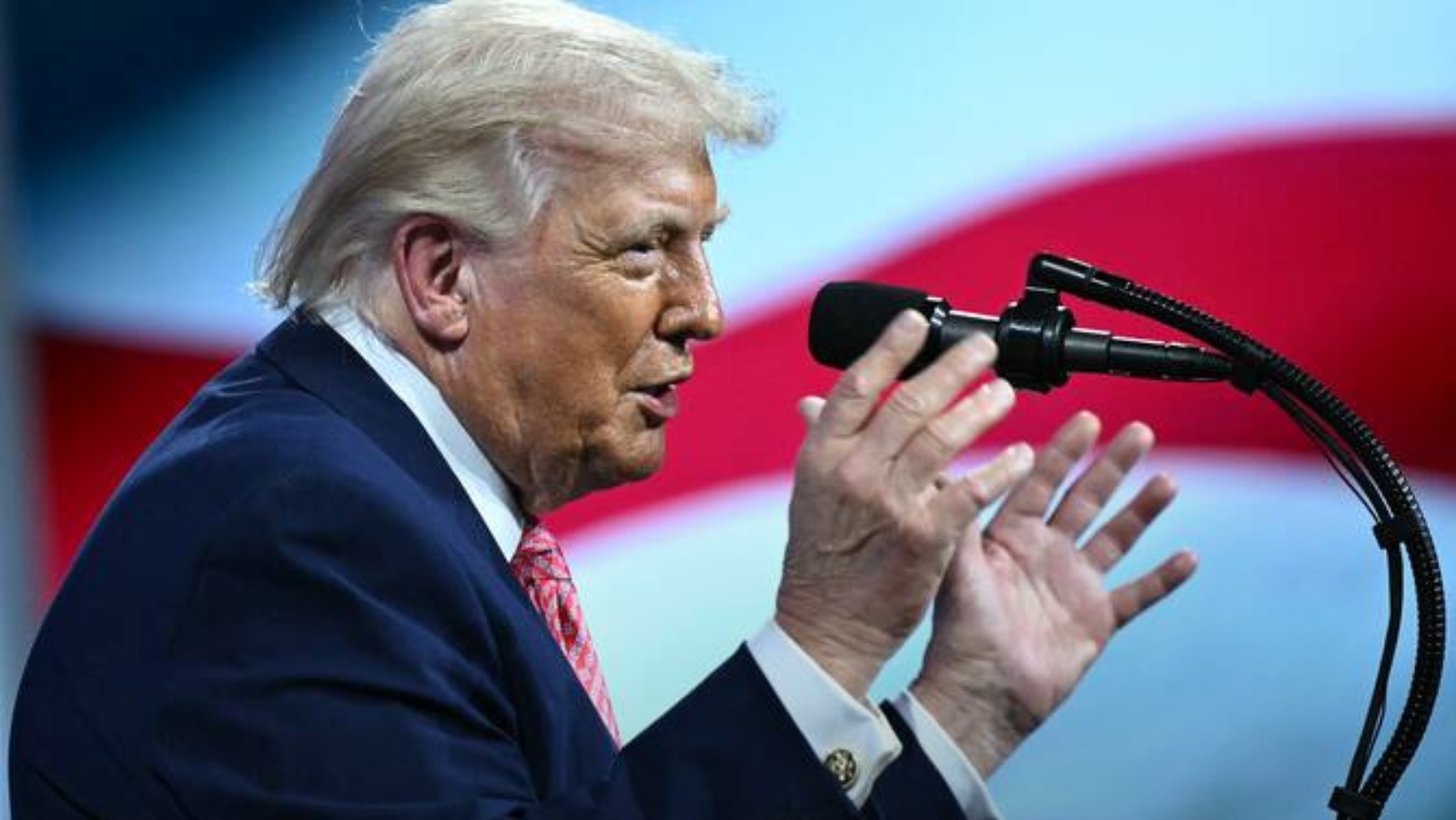
Speaking during a major investment forum in Miami, US President Donald Trump stated that negotiations are currently underway and expressed hope for a resolution. However, he made it clear that Iran must allow oil traffic to resume through the strait as part of any peace deal. His remarks reflect growing urgency as the economic and geopolitical impact of the situation intensifies.
Strategic importance of the Strait of Hormuz
US urges Iran to open Strait of Hormuz now as the global economy faces mounting pressure from disrupted oil flows. The Strait of Hormuz connects the Persian Gulf to international waters and is considered one of the most critical chokepoints for energy transportation worldwide.
Before the conflict, the strait facilitated the movement of nearly one-fifth of global oil consumption. Any disruption to this route has immediate consequences on oil prices and supply chains. Since the escalation began, shipping activity in the area has significantly slowed, contributing to increased uncertainty in global markets.
Energy analysts warn that prolonged disruption could lead to sustained price increases, affecting industries and consumers worldwide. Countries heavily dependent on oil imports are particularly vulnerable, as supply shortages could impact economic stability.
Ongoing conflict and diplomatic efforts
US urges Iran to open Strait of Hormuz now as diplomatic efforts continue behind the scenes to resolve the crisis. Officials have indicated that discussions are in progress, although no formal agreement has been reached so far.
The US administration has maintained that Iran is under pressure and may be open to negotiations despite public denials. Statements from US leadership suggest that significant damage has been inflicted on Iran’s military capabilities during the conflict, further complicating the situation.
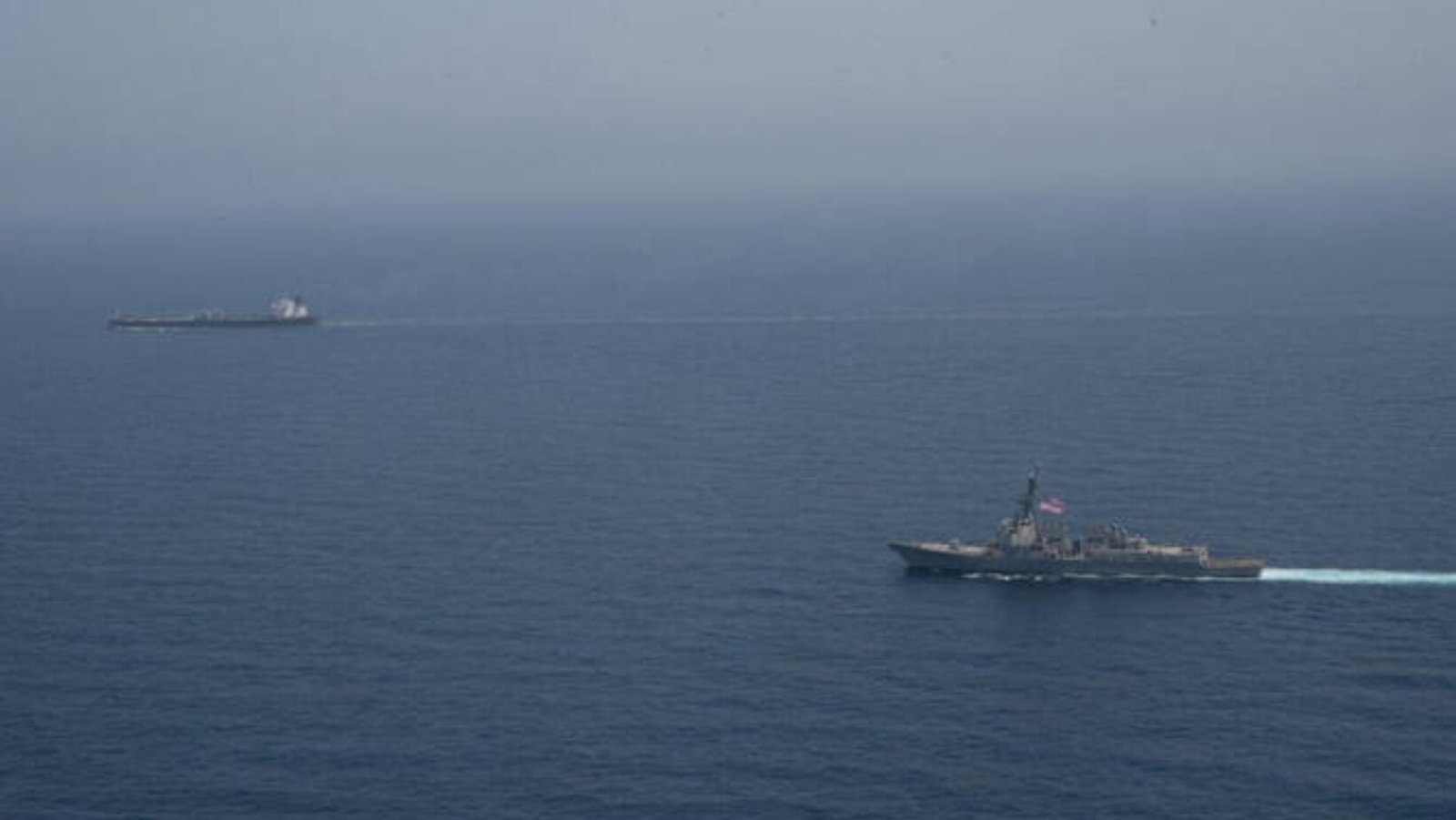
At the same time, there are growing concerns about escalation if diplomatic efforts fail. The presence of military forces in and around the region has increased, raising the risk of further confrontations. Observers note that any miscalculation could quickly lead to a broader conflict with far-reaching consequences.
Impact on global energy markets
US urges Iran to open Strait of Hormuz now as global energy markets react to the ongoing uncertainty. Oil prices have experienced noticeable fluctuations, reflecting fears of prolonged supply disruptions.
The Strait of Hormuz plays a vital role in maintaining stable oil supplies. When access to this route is restricted, markets respond rapidly, often leading to price surges. These changes can have a ripple effect across economies, influencing transportation costs, manufacturing, and overall inflation.
Experts highlight that restoring normal shipping operations is essential to stabilizing the market. Without a resolution, continued volatility could impact long-term economic planning and investment decisions.
Concerns over maritime security
US urges Iran to open Strait of Hormuz now as concerns grow over the safety of international shipping. The possibility of a blockade or the introduction of new restrictions has raised alarms among global trade stakeholders.
There are fears that Iran could implement measures such as a tolling system for vessels passing through the strait. Such actions would not only increase costs but also complicate navigation and logistics for shipping companies.
Maritime security remains a key priority for many nations, as the safe passage of goods is essential for global trade. Any disruption in this area could have widespread implications beyond the energy sector.
Regional and international reactions
US urges Iran to open Strait of Hormuz now as regional and global leaders closely monitor developments. Several countries have expressed concern over the situation and emphasized the importance of maintaining open shipping routes.
Gulf nations, in particular, have been actively engaged in efforts to promote stability. Diplomatic initiatives and discussions are ongoing, with the aim of preventing further escalation and ensuring the safety of critical infrastructure.
International organizations have also highlighted the need for dialogue and cooperation. The current crisis underscores the interconnected nature of global economies and the importance of maintaining secure trade routes.
Broader geopolitical implications
US urges Iran to open Strait of Hormuz now as the crisis continues to shape broader geopolitical dynamics. The situation has raised questions about alliances, defense commitments, and international cooperation.
Recent statements from US leadership have sparked discussions about the role of allied nations and their contributions during times of conflict. These remarks have added another layer of complexity to an already challenging situation.
The evolving dynamics could influence future policies and strategic decisions, particularly in relation to defense and international partnerships. Analysts suggest that the outcome of the current crisis may have long-term implications for global relations.
Future outlook and possible resolution
US urges Iran to open Strait of Hormuz now as attention turns to the potential outcomes of ongoing negotiations. While there is hope for a diplomatic resolution, uncertainties remain regarding the timeline and conditions of any agreement.
Experts believe that reopening the strait will be a key factor in restoring stability. However, achieving this will require cooperation and compromise from all parties involved. The path to resolution may be complex, but it remains essential for preventing further escalation.
In the meantime, governments and organizations continue to prepare for various scenarios, including prolonged disruption. The focus remains on ensuring stability, protecting global trade, and minimizing the impact on economies worldwide.
Conclusion
US urges Iran to open Strait of Hormuz now as the situation continues to evolve, highlighting the critical importance of this strategic waterway. The ongoing conflict and its impact on global energy markets have made the issue a top priority for international stakeholders.
With negotiations underway and tensions still high, the coming weeks will be crucial in determining the direction of the crisis. A peaceful resolution could help restore stability, while continued disruption may lead to further challenges for the global economy.
Stay informed with the latest international news and breaking updates—visit our website to explore more in-depth stories and global developments.

Aw, this was a very nice post. In concept I wish to put in writing like this moreover – taking time and precise effort to make an excellent article… but what can I say… I procrastinate alot and in no way appear to get one thing done.