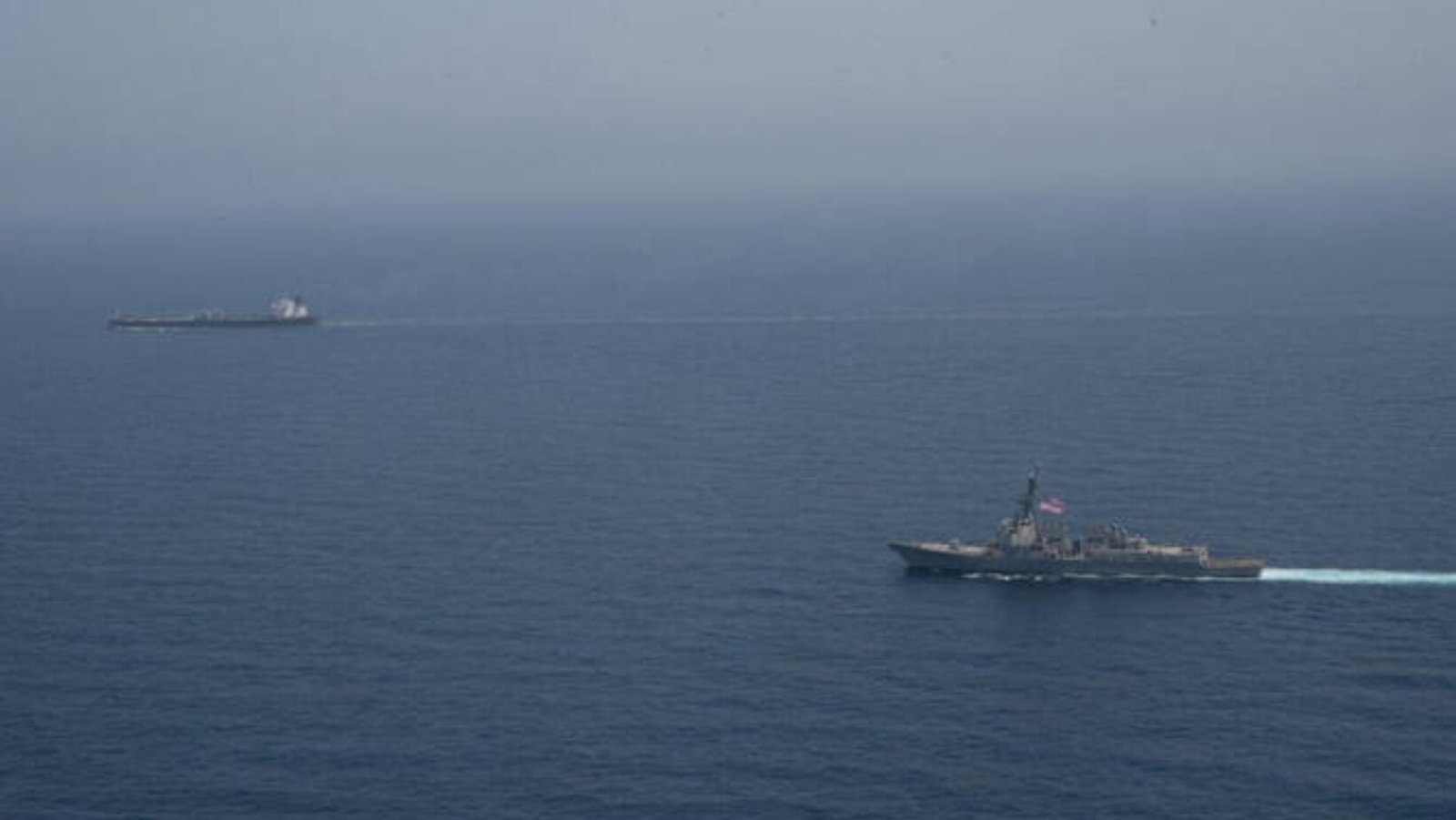

China Warns US on Philippines Ammunition Facility Plan
Beijing Cautions Against Military Expansion Near South China Sea
China has formally warned the United States against establishing a new ammunition assembly and production facility in the Philippines, citing potential threats to regional stability. Officials in Beijing said such a move could “invite conflict” in the Asia-Pacific and undermine efforts to maintain peace. The warning comes amid heightened strategic competition between Washington and Beijing in Southeast Asia, particularly around disputed maritime territories.
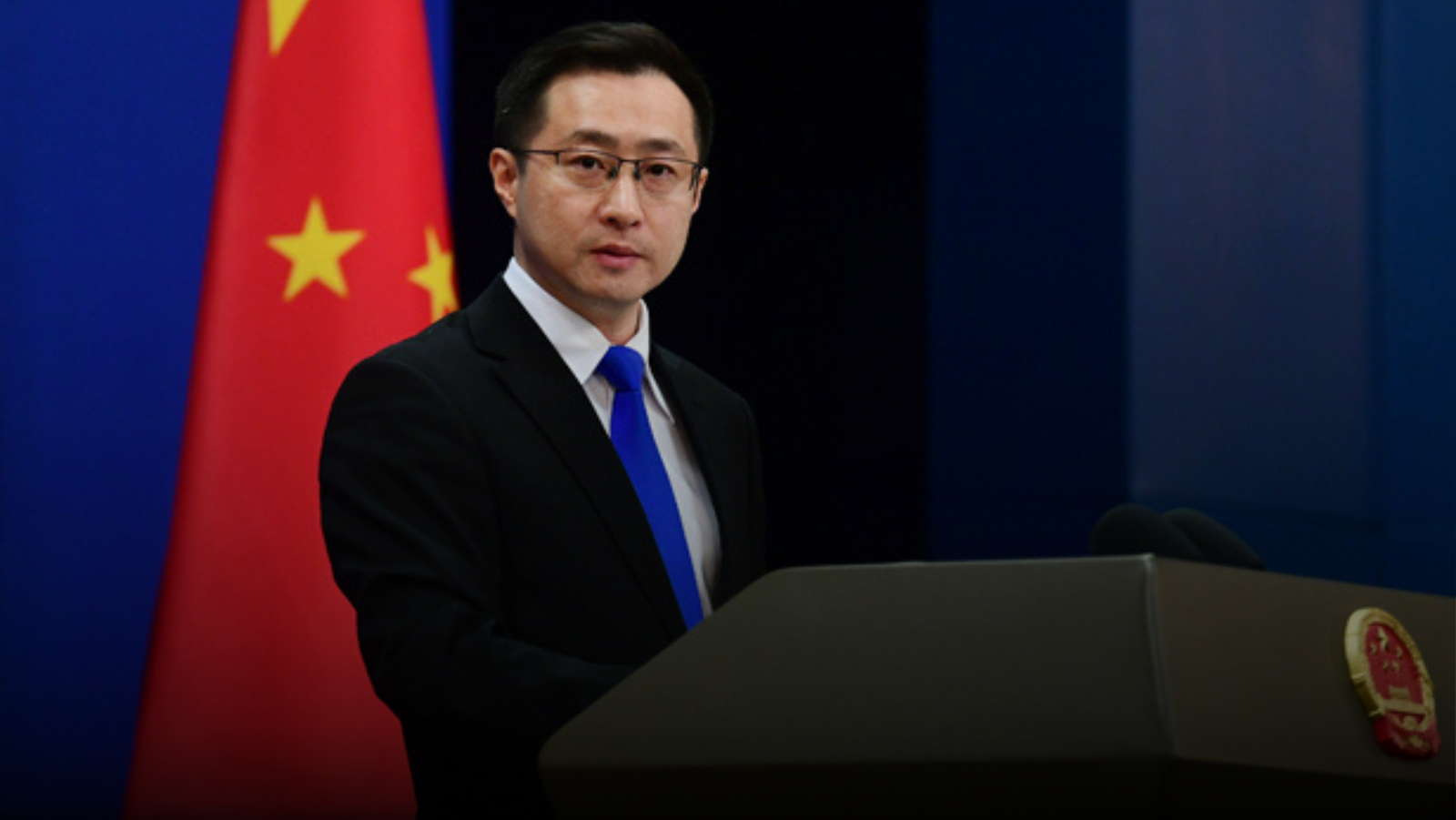
China’s foreign ministry spokesperson Lin Jian emphasized that regional countries’ security and sovereignty must be respected. He urged the US and its allies to refrain from introducing military infrastructure that could escalate tensions or spark confrontations. The comments underline Beijing’s ongoing concern over the increasing presence of US forces in proximity to China’s claimed maritime zones.
South China Sea Territorial Disputes Drive Regional Sensitivity
China and the Philippines have longstanding disagreements over territorial claims in the South China Sea, with contested areas including the Spratly Islands and Scarborough Shoal. China claims almost the entire waterway, though an international tribunal ruled its claim has no legal basis. These territorial disputes form the backdrop to China’s strong response regarding a potential US ammunition facility.
Beijing maintains that foreign military installations near these contested areas can heighten instability and provoke conflict. Analysts suggest that China’s statements aim to deter further militarization near its claimed waters while asserting its influence in regional security matters.
Partnership for Indo-Pacific Industrial Resilience (PIPIR) Role
The proposed facility is being considered under the Partnership for Indo-Pacific Industrial Resilience (PIPIR), a collaborative group of 16 countries including the US, the Philippines, Japan, South Korea, Australia, and the UK. PIPIR members have agreed to evaluate the funding, infrastructure, and operational requirements of establishing a new ammunition production line in the Philippines.
Supporters argue the facility would strengthen allied defense capabilities and reduce reliance on distant supply chains, ensuring rapid access to essential military supplies. However, China views this as a provocative move, interpreting it as part of a broader US strategy to counterbalance Beijing’s influence in the region.
Asia-Pacific Regional Security Concerns
China’s warning highlights the broader strategic challenges in the Asia-Pacific region. Increased US and allied military cooperation with Southeast Asian countries, particularly in the Philippines, is seen by Beijing as destabilizing. The country claims that military installations near disputed waters could escalate tensions and risk unintended incidents.
The Philippines, meanwhile, emphasizes that its collaboration with the US is defensive in nature, aimed at strengthening national security. Manila participates in joint exercises, intelligence sharing, and defense planning to deter potential threats, including those arising from territorial disputes in the South China Sea.
US-Philippines Defense Collaboration Expands
The United States has maintained a robust defense partnership with the Philippines for decades, including rotational deployments, training exercises, and shared security agreements. The addition of an ammunition facility could enhance the readiness of US and allied forces stationed in the region.
Manila supports closer defense ties as part of its strategy to safeguard its territorial waters and maritime resources. The move reflects a growing recognition of security challenges posed by China’s assertive behavior in the South China Sea, particularly the deployment of Chinese vessels near disputed reefs and islands.
China Foreign Ministry Statement on Military Buildup
Spokesperson Lin Jian reiterated Beijing’s position, stressing that countries in the region should avoid actions that provoke confrontation. “Establishing military facilities in sensitive areas may backfire, creating risks for those involved,” Lin said. China continues to prioritize diplomatic channels while signaling its commitment to defend sovereignty and territorial claims.
Beijing’s messaging reflects a strategic approach that combines warnings with calls for negotiation, aiming to maintain its regional influence while countering perceived encirclement by foreign military forces. Analysts note that this type of rhetoric is consistent with China’s broader strategy of deterring foreign military expansion near its claimed maritime zones.
Military Buildup and Geopolitical Tensions
The potential ammunition facility in the Philippines illustrates the delicate balance between military preparedness and geopolitical tension. US and allied forces aim to establish a resilient supply chain capable of supporting regional operations, including rapid deployment of missiles, drones, and other military equipment.
China, however, interprets such measures as a deliberate attempt to contain its rise and exert pressure in contested maritime regions. Security experts warn that without careful diplomacy, these developments could escalate into miscalculations, further straining relations between major powers in the Asia-Pacific.
Implications for Regional Stability
The proposed facility is likely to become a focal point in ongoing strategic debates. China’s warning signals its willingness to challenge military expansion near contested waters, while the US and its allies argue that their activities are meant to preserve freedom of navigation and enhance collective security.
Maintaining regional stability will require careful coordination, transparency, and diplomatic engagement. Analysts suggest that both sides must continue dialogue through established forums and bilateral meetings to prevent miscalculations that could threaten peace.
Looking Ahead: Diplomacy and Monitoring
As discussions over the ammunition facility continue, regional governments are closely monitoring potential consequences. The challenge is balancing defense readiness with efforts to maintain peace and avoid provoking unnecessary conflict.
For further insights into regional security developments, visit our website for detailed analysis and related articles.