Iran Rejects U.S. Ceasefire Proposal
Iran’s Firm Stance on Peace Talks and New Conditions for Ceasefire
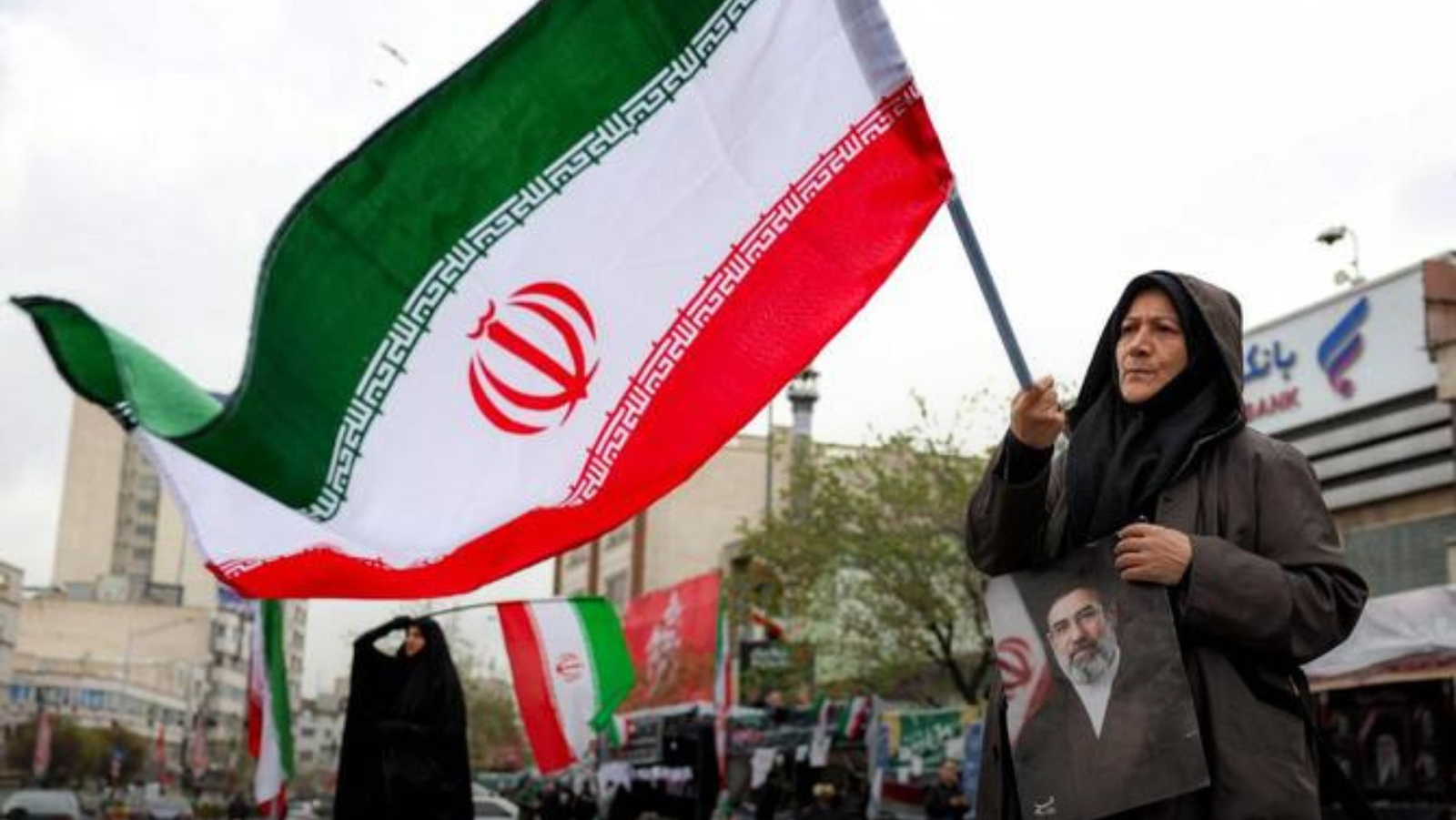
In a bold move, Iran rejects the U.S. ceasefire plan and outlines its own set of conditions for halting the ongoing conflict in the Middle East. This rejection highlights the growing divide between the two countries as Iran continues its military actions, while diplomatic efforts to end the violence remain largely unsuccessful. Iran’s response signals its determination to safeguard its interests and take control of the peace process on its own terms.
On March 25, 2026, Iran’s Foreign Minister Abbas Araghchi declared on national television that Iran has not initiated any negotiations to end the war and has no intentions of doing so in the near future. This announcement came after the U.S. sent a ceasefire proposal to Iran through Pakistan, which Iran immediately dismissed.
Iran’s Terms for Peace: A Five-Point Plan
Instead of considering the U.S. ceasefire proposal, Iran has unveiled its own five-point ceasefire plan, which it insists is the only viable path to peace. Key components of this plan include:
- Ending attacks on Iranian leadership: Iran demands a halt to any military operations targeting its officials, ensuring the safety of its high-ranking leaders.
- Reparations for damages: Tehran is seeking compensation for the extensive destruction caused by the ongoing conflict, which has affected key sectors of its economy and infrastructure.
- Full control over the Strait of Hormuz: Iran asserts its sovereignty over the Strait of Hormuz, a strategic chokepoint that is vital for global oil trade.
- Termination of hostilities: Iran’s leadership insists that fighting will only cease once its conditions are fully addressed, and Tehran will determine the appropriate time for peace to be declared.
- Future security assurances: Iran demands guarantees that no further military actions will be carried out against it by foreign powers.
These demands are expected to be difficult for the U.S. to accept, particularly regarding the issue of reparations and Iran’s control over the Strait of Hormuz, which holds immense strategic significance.
Regional Tensions Intensify Amid Military Actions
As Iran rejects the U.S. ceasefire plan, the conflict continues to intensify. Iran has escalated its attacks on Israel and Gulf nations, including a major strike on Kuwait International Airport that resulted in a massive fire and disrupted aviation. This attack is part of a broader campaign by Iran to assert its regional influence and respond to Israel’s ongoing military actions against Tehran.
Israel, in retaliation, has launched airstrikes targeting critical Iranian military and nuclear facilities. These strikes are part of Israel’s strategy to undermine Iran’s military capabilities, which are viewed as a direct threat to Israeli security. Meanwhile, Hezbollah, a group backed by Iran, has continued to launch rocket attacks on northern Israel, exacerbating the conflict.
U.S. Military Reinforcements and Growing Global Concerns
To counter Iran’s ongoing actions, the U.S. has bolstered its military forces in the region. Reports indicate that 1,000 paratroopers from the 82nd Airborne Division have been sent to secure vital infrastructure, while an additional 5,000 Marines and thousands of sailors are also on standby for deployment.
However, the increase in U.S. military presence comes at a time of growing concern among the American public. A recent poll revealed that many Americans are worried about the economic impact of the conflict, particularly the rising prices of fuel and other basic goods. This has led to questions about the long-term sustainability of U.S. military involvement in the Middle East.
Diplomatic Efforts Struggle Amidst Hostile Stances
Diplomatic efforts to bring about a ceasefire have largely failed to yield results. While U.S. officials claim that negotiations are ongoing, Iranian representatives have made it clear that they will not engage in talks unless their demands are fully met. Iran’s longstanding distrust of U.S. diplomacy, stemming from previous failed negotiations, has further complicated the chances of peace.
One of the main obstacles to a resolution is Iran’s insistence on retaining control over the Strait of Hormuz, a critical waterway through which a significant portion of the world’s oil is transported. Iran’s control of this strategic chokepoint gives the country significant leverage in the region, which it is unlikely to relinquish without substantial concessions from the U.S.
Strait of Hormuz: A Vital Geopolitical Flashpoint
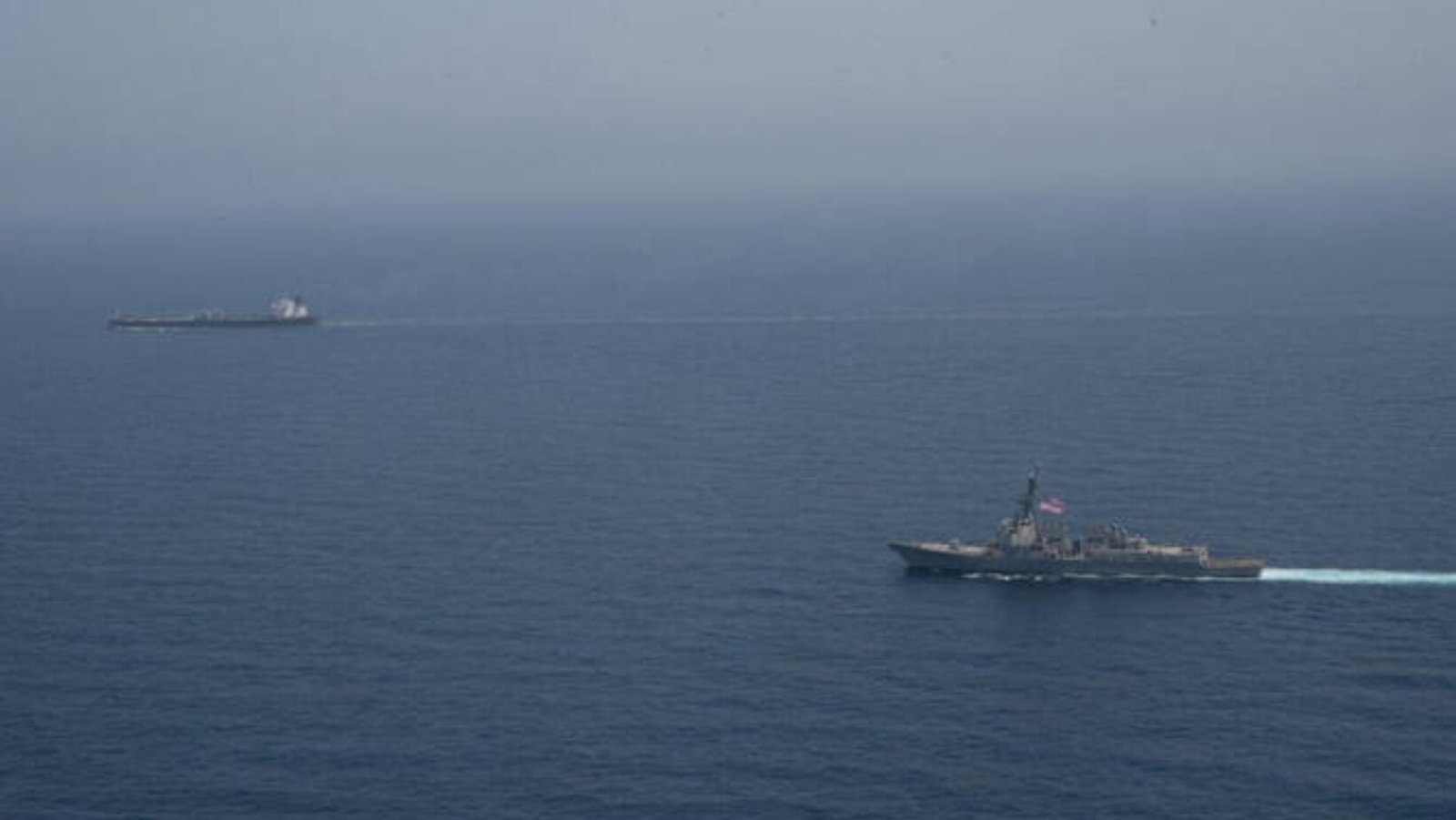
The Strait of Hormuz continues to be at the center of geopolitical tensions. As one of the world’s most important shipping routes, it serves as a vital link between the Persian Gulf and the Arabian Sea. Iran’s ability to control access to the Strait has been a key factor in its strategic military planning.
Iran has periodically imposed restrictions on the passage of ships through the Strait, especially those from countries it considers adversaries, such as the U.S. and Israel. These actions have contributed to disruptions in global oil markets, causing prices to spike and raising concerns about energy security.
Economic Impact and Global Ramifications
The ongoing conflict and Iran’s control over the Strait of Hormuz have had far-reaching economic consequences. The price of oil has surged to unprecedented levels, with Brent crude trading between $100 and $120 per barrel. Economists have warned that sustained high oil prices could lead to inflationary pressures worldwide, affecting everything from food prices to household expenses.
Global markets have been affected as well, with stock prices fluctuating due to the uncertainty surrounding energy prices and geopolitical instability. If the conflict continues, the global economy could face significant challenges, including higher transportation and production costs.
The Road Ahead: Uncertain Peace Prospects
As the conflict rages on, the possibility of peace remains uncertain. Iran’s rejection of the U.S. ceasefire proposal and its insistence on maintaining its demands, particularly regarding reparations and control of the Strait of Hormuz, make it difficult to envision a resolution in the near future. Both the U.S. and Iran continue to dig in their heels, and it remains to be seen whether any breakthrough can be achieved.
For now, the Middle East remains a region of uncertainty, with global leaders closely monitoring the situation and hoping for a diplomatic breakthrough, even as the prospects for peace seem increasingly remote.