
Pakistan’s Role in Middle East Peace Talks: A Key Diplomatic Player
Shehbaz Sharif Offers to Mediate US-Iran Conflict as Tensions Rise
RIYADH: In a significant move for regional diplomacy, Pakistan’s Prime Minister Shehbaz Sharif has offered to mediate peace talks between the United States and Iran, highlighting Pakistan’s growing role in Middle Eastern diplomacy. Sharif’s proposition marks a significant step in Pakistan’s strategic role as a neutral mediator in global conflicts.
Pakistan’s Role in Facilitating Dialogue
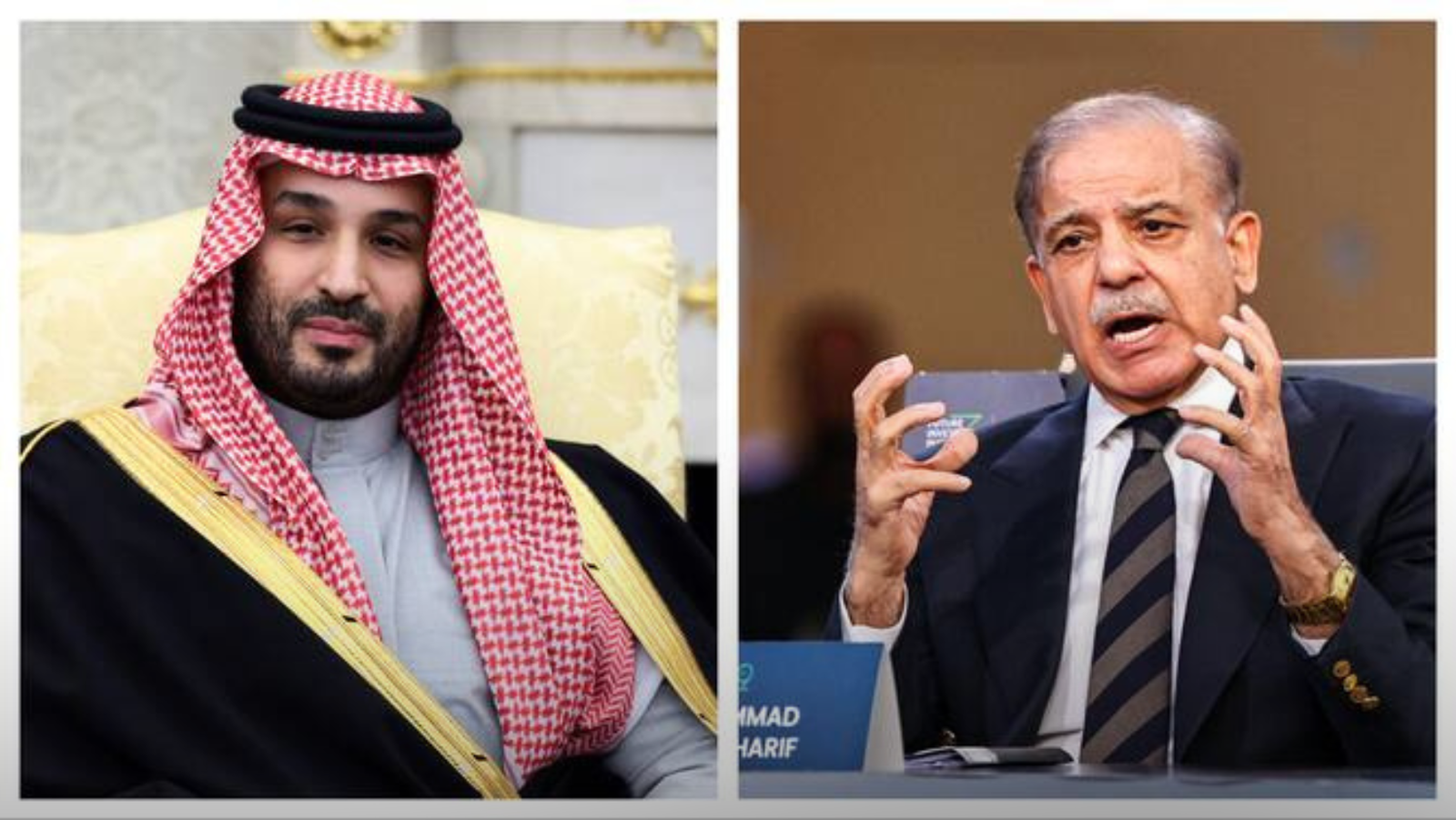
In a phone call with Saudi Crown Prince Mohammed bin Salman, Prime Minister Shehbaz Sharif reiterated Pakistan’s unwavering support for Saudi Arabia in light of the ongoing threats posed by Iran. The conversation also touched on the broader regional instability, including the US-Iran conflict, and Sharif emphasized Pakistan’s readiness to mediate peace talks between the two adversaries.
This offer comes amid the increasing military buildup by the US in the Middle East, with reports indicating that additional troops, including members of the elite 82nd Airborne Division, are being deployed to the region. While the US has engaged in “productive” talks with Iran, as claimed by President Donald Trump, Iran’s leadership has denied any direct engagement, which complicates the peace process.
Sharif’s proposal is rooted in Pakistan’s long-standing reputation as a neutral player with good relations with both Iran and the United States. This strategic positioning makes Pakistan a suitable candidate to host talks aimed at de-escalating the tensions that threaten not only regional security but also global stability.
The US-Iran Conflict: A Fragile Diplomatic Landscape
The US and Iran have been locked in a high-stakes conflict, with military actions and diplomatic posturing dominating the discourse. While the US claims progress in diplomatic discussions, Iranian officials have maintained a hardline stance, rejecting the notion of direct negotiations. This diplomatic gap highlights the complexity of the situation and the need for a neutral third party to facilitate communication.
The United States has outlined a detailed 15-point plan aimed at reducing tensions, including measures to limit Iran’s nuclear activities and prevent further military escalations. While these proposals have yet to be fully disclosed, credible reports indicate that the plan includes specific steps to address the ongoing conflicts in Syria, Iraq, and Yemen, alongside a push to reopen crucial trade routes like the Strait of Hormuz.
Despite these efforts, military activity continues, with strikes and counter-strikes affecting the stability of the region. The recent deployment of additional US troops only increases the risk of further escalation, underscoring the urgent need for a diplomatic breakthrough.
Pakistan’s Diplomatic Offer: A Step Towards Peace
Pakistan’s offer to mediate the peace talks between the US and Iran is a pivotal moment in its foreign policy. By positioning itself as a neutral mediator, Pakistan is not only acting in the interest of regional stability but also asserting its growing influence on the global diplomatic stage.
The Prime Minister’s statement emphasized Pakistan’s desire to create a platform for constructive dialogue, welcoming the efforts of both the United States and Iran to find a peaceful resolution. Pakistan’s involvement is seen as a way to bridge the communication gap between the two nations, whose differences have been exacerbated by years of tension.
Pakistan’s ties with both the US and Iran make it a valuable mediator. Its longstanding diplomatic relations with Iran, combined with its strategic partnership with the United States, provide it with the credibility and neutrality required to facilitate dialogue. As a result, Pakistan’s potential role in hosting these talks could play a critical role in determining the outcome of the ongoing conflict.
Global Reactions and Diplomatic Responses
The international community has expressed cautious optimism regarding Pakistan’s potential role as a mediator. Several countries have voiced support for the idea of a third-party facilitator, recognizing the importance of neutral platforms in resolving high-stakes conflicts.
At the same time, the global diplomatic community remains concerned about the continued military activity in the region. With the US military build-up in the Gulf and the disruption of vital trade routes like the Strait of Hormuz, the international community is increasingly calling for de-escalation and a focus on diplomatic solutions.
Pakistan’s proposal has garnered attention from policymakers, analysts, and international organizations, including the United Nations, who have stressed the importance of dialogue over military confrontation. The world watches closely as Pakistan’s efforts unfold, hoping that its diplomatic involvement will pave the way for a peaceful resolution.
Conclusion: The Path Forward for Peace in the Middle East
The ongoing conflict between the US and Iran continues to shape the geopolitical landscape of the Middle East. While military actions and diplomatic efforts are ongoing, Pakistan’s role as a potential mediator is a hopeful sign of progress. By offering to host peace talks, Prime Minister Shehbaz Sharif has positioned Pakistan as a key diplomatic player, ready to facilitate dialogue and reduce tensions.
With the US and Iran entrenched in their respective positions, Pakistan’s involvement could be crucial in breaking the impasse and steering the region toward peace. As the situation continues to evolve, the world remains hopeful that Pakistan’s diplomatic efforts will lead to a de-escalation of hostilities and a long-term solution to the US-Iran conflict.
For more updates on global conflicts and international diplomacy, visit Time of Gulf.

Some really nice stuff on this web site, I enjoy it.