

Global Recession Risk if Oil Hits $150, Warns BlackRock CEO
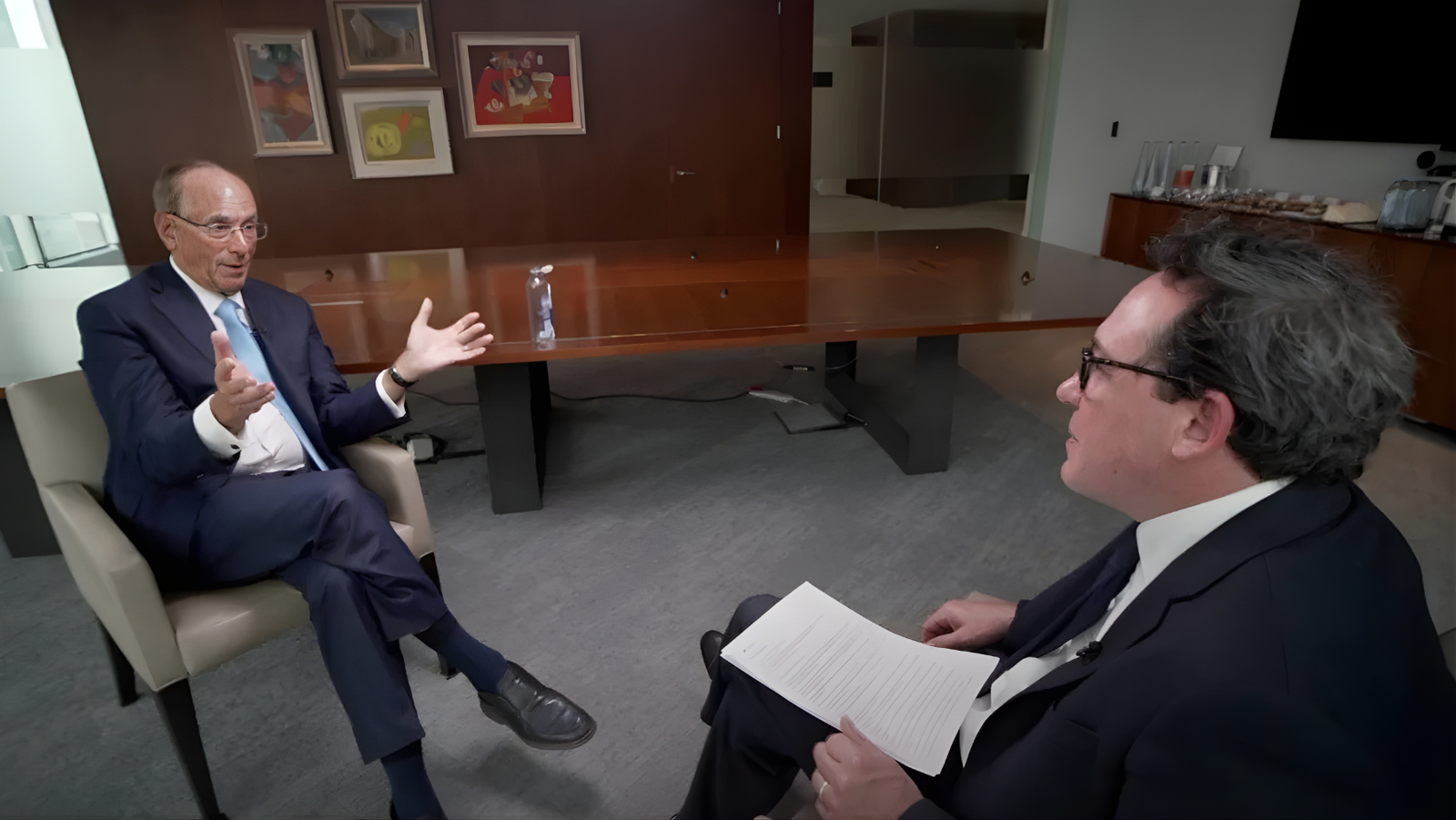
Larry Fink, chief executive of BlackRock, has raised concerns about the global recession risk if oil hits $150 per barrel. Speaking in an interview, Fink emphasized that persistent high energy costs could strain economies worldwide, affecting businesses, consumers, and government budgets. As the head of the world’s largest asset management firm, overseeing $14 trillion in investments, he highlighted that oil price spikes driven by geopolitical tensions, particularly in the Middle East, could trigger serious economic consequences if left unaddressed. Fink stressed that countries need to prepare strategically to prevent long-term financial instability.
Why the Global Recession Risk if Oil Hits $150 Matters
According to Fink, the current geopolitical situation could maintain oil prices at historically high levels for years. If Iran continues to face international tensions, the cost of crude could remain above $100 and potentially climb to $150 per barrel. He explained that this scenario represents a tangible global recession risk if oil hits $150, as rising energy expenses reduce consumer spending, slow industrial output, and increase inflation. Lower-income households are particularly vulnerable to these surges, making energy price stability essential for maintaining economic balance.
Fink outlined two potential outcomes. In a positive scenario, improved diplomatic relations in the Middle East could ease oil supply pressures and reduce global prices. In a less favorable scenario, sustained conflict would keep oil prices elevated, forcing countries to navigate prolonged economic stress. He warned that governments and businesses must plan for both possibilities to avoid significant financial disruption.
Strategies to Reduce the Global Recession Risk if Oil Hits $150
Fink recommended that countries diversify their energy sources to mitigate the global recession risk if oil hits $150. While fossil fuels remain critical for immediate energy needs, investment in renewable alternatives like solar and wind energy is necessary for long-term stability. Affordable energy, he said, is vital for economic growth, job creation, and living standards. Nations that rely on a single energy source are more exposed to global shocks, while balanced energy strategies provide protection against unexpected price swings.
Fink also noted that prolonged high oil prices could accelerate the shift toward renewable energy adoption. Countries with strong investment in alternative energy would be better prepared to maintain economic stability, even if fossil fuel prices remain volatile. He urged policymakers to combine short-term energy needs with long-term sustainability measures to reduce risk and improve resilience.
Lessons from Past Economic Crises
Some commentators have drawn parallels between today’s market and the 2007-08 financial crisis. Fink rejected these comparisons, stating that modern financial institutions are stronger, more capitalized, and capable of handling market volatility. While high energy costs present challenges, he believes systemic financial collapse is unlikely. Issues affecting a few investment funds today represent only a small part of the broader market, and institutional investment remains robust. This structure provides a buffer against the global recession risk if oil hits $150, ensuring that a spike in energy prices does not automatically translate into widespread economic collapse.
Energy Costs and Technological Growth
Fink highlighted the link between energy availability and technological advancement. High operational costs can limit AI development and infrastructure expansion, particularly in regions dependent on expensive power. China, for example, is investing heavily in solar and nuclear energy to support technological growth, while other regions must increase their focus on affordable energy solutions to remain competitive. Controlling energy costs is critical for maintaining innovation and reducing the broader economic impact, including the global recession risk if oil hits $150.
He added that long-term energy policies will shape not only industrial productivity but also national competitiveness. Countries that fail to invest in sustainable, low-cost energy solutions may struggle to attract investment and maintain innovation in high-tech sectors, making strategic energy planning essential for economic stability.
Workforce Implications
Fink also discussed employment implications. Advances in technology and AI are expected to create demand for skilled trades such as electricians, plumbers, and welders, while traditional office-based roles may face reduced demand. He emphasized that education and workforce development need to balance technical training with academic instruction to prepare for changing economic conditions. Developing a workforce with practical skills can help reduce inequality and provide stability, even if energy costs rise, further reducing the global recession risk if oil hits $150.
Preparing for Energy and Economic Volatility
Fink concluded that proactive energy and economic planning is crucial. Nations must diversify energy sources, invest in renewable infrastructure, and prepare businesses and households for potential oil price surges. Rising energy costs could increase living expenses, slow industrial growth, and create economic uncertainty if governments and industries do not plan strategically. For ongoing updates on energy policies, citizens and businesses should refer to official resources such as the UK’s energy department. For continuous news and analysis on global economic developments, readers can visit Time of Gulf, which covers economic trends, market insights, and energy-related updates.
What is the global recession risk if oil hits $150?
Sustained oil prices at this level could slow global growth, increase costs for consumers, and create inflationary pressures.
Why does Iran affect oil prices?
Geopolitical tensions in Iran influence global oil supply and can significantly impact worldwide energy markets.
Could this trigger a crisis like 2007-08?
Modern financial systems are more resilient; a repeat of the 2008 crisis is unlikely.
How can countries reduce the impact of high oil prices?
By diversifying energy sources, investing in renewables, and strengthening domestic production.
One thought on “Global Recession Risk if Oil Hits $150, Warns BlackRock CEO”