Trump Iran peace talks 15 point plan update
Trump Iran peace talks 15 point plan update signals shift in US Iran war update
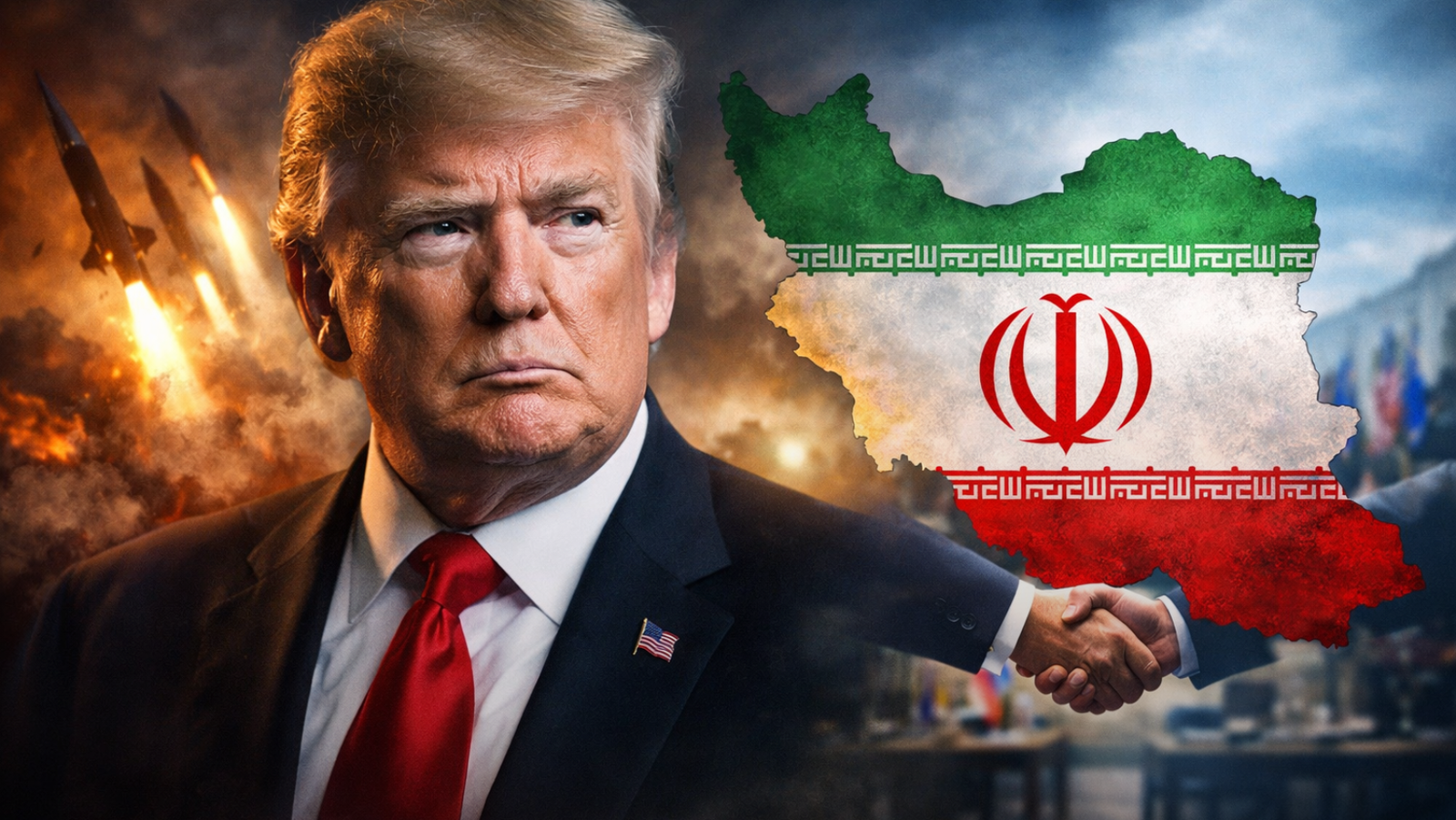
Tensions between the United States and Iran have entered a critical phase as Washington pushes forward with a diplomatic approach aimed at ending ongoing hostilities. Recent statements from US President Donald Trump suggest that efforts to resolve the conflict are gaining momentum, with a structured peace proposal now at the center of negotiations.
The situation remains complex, with mixed signals coming from both sides. While the United States claims progress in discussions, Iranian officials continue to deny direct engagement. This contrast highlights the fragile nature of the current geopolitical environment and raises questions about the actual stage of diplomacy.
According to official briefings and international coverage, the United States has presented a detailed 15-point plan intended to bring stability to the region. This development has become a key part of the broader US Iran war update, attracting global attention from policymakers, analysts, and the public.
Details of Trump Iran negotiations and peace proposal
The proposed plan reportedly outlines several conditions aimed at reducing tensions and moving toward a long-term settlement. These include limits on Iran’s nuclear activities, reduced involvement in regional conflicts, and reopening critical trade routes such as the Strait of Hormuz.
While exact details have not been officially published in full, credible reports indicate that the proposal is being treated as a serious framework for dialogue. The United States has expressed confidence that progress is possible, especially after what it described as a “valuable concession” from Tehran.
However, Iranian leadership has taken a different stance. Officials in Tehran have publicly dismissed claims of direct talks, calling them inaccurate. A military spokesperson even suggested that Washington is “negotiating with itself,” reflecting deep skepticism toward US intentions.
For verified international diplomatic updates, organizations like the United Nations Security Council continue to monitor developments and provide official statements on regional stability.
US Iran war update and military developments in the region
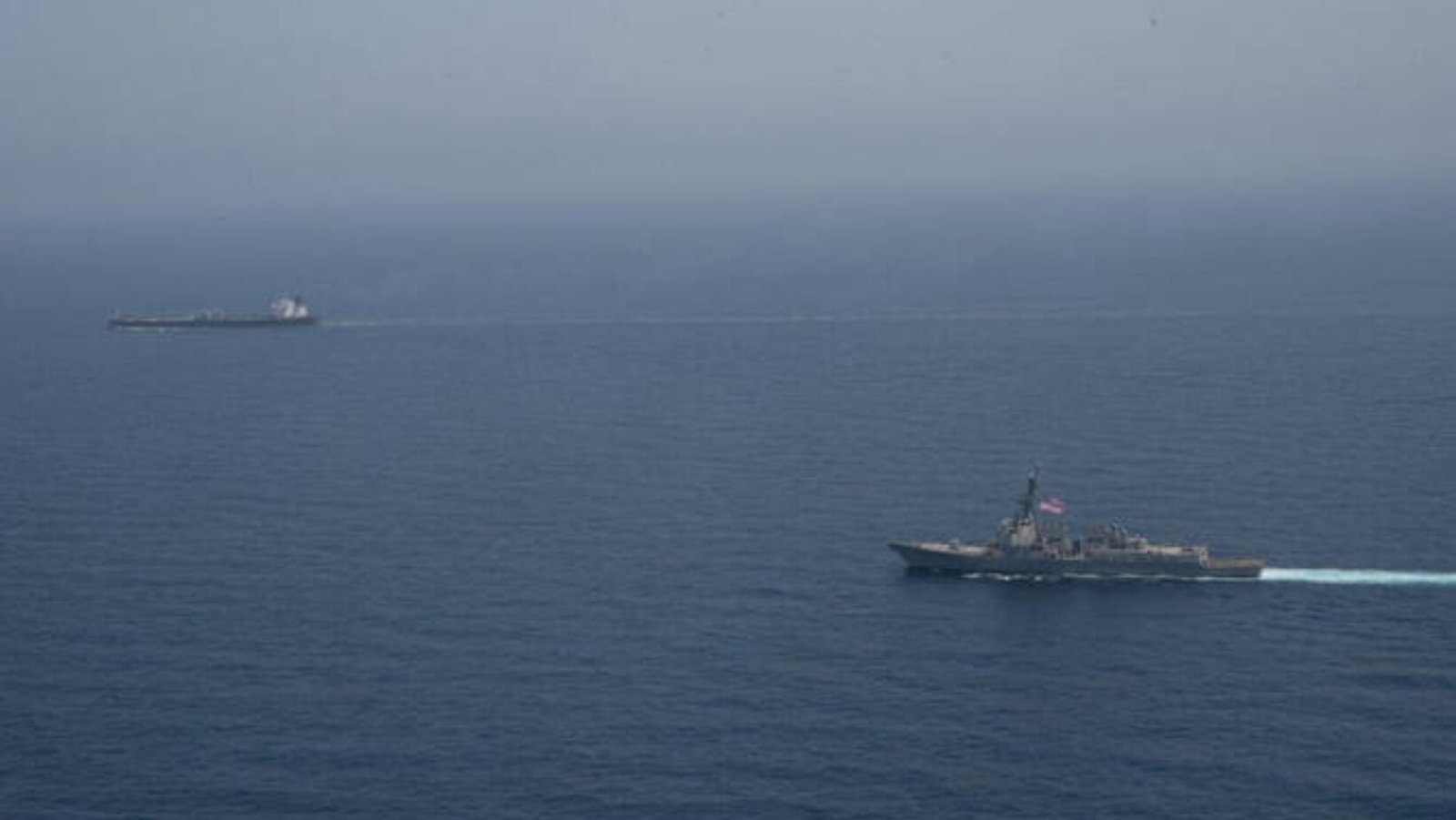
Despite ongoing diplomatic efforts, military activity in the region has not slowed. Reports indicate that the United States is preparing to increase its presence by deploying additional troops, including members of the elite 82nd Airborne Division.
This move is seen as part of a broader strategy to maintain pressure while negotiations continue. Currently, tens of thousands of US troops are already stationed in the Middle East, and any further buildup could influence the direction of talks.
The conflict, which has now extended into multiple weeks, has also disrupted global energy markets. The partial closure of the Strait of Hormuz, a critical oil transit route, has caused significant supply concerns and rising fuel prices worldwide.
Official maritime and trade guidance is being coordinated through bodies like the International Maritime Organization, which works to ensure safe navigation during periods of conflict.
Iran US peace talks and diplomatic responses from global players
International reaction to the situation has been swift. Several countries have expressed concern about the potential for escalation, while also encouraging dialogue between the two sides.
Pakistan has emerged as a potential mediator, offering to host talks aimed at resolving the conflict. This development reflects growing international interest in preventing further instability in the region.
Diplomatic experts believe that third-party involvement could play a crucial role in bridging communication gaps. With both sides maintaining strong public positions, neutral platforms may help facilitate more meaningful discussions.
The ongoing Iran US peace talks remain uncertain, but the introduction of a structured proposal suggests that both conflict and compromise are still possible outcomes.
Trump Middle East war plan and strategic implications
President Trump’s approach appears to combine diplomatic outreach with strategic pressure. By proposing a detailed plan while simultaneously strengthening military readiness, the United States is attempting to influence negotiations from multiple angles.
This dual strategy is often used in international relations, especially in high-stakes conflicts where trust between parties is limited. The aim is to create conditions where dialogue becomes more favorable than continued confrontation.
The broader Trump Middle East war plan also reflects concerns about regional security, energy supply, and global economic stability. Any prolonged conflict in this area has far-reaching consequences beyond the immediate region.
Analysts suggest that the success of this approach will depend heavily on Iran’s willingness to engage and the ability of both sides to find common ground on key issues.
US Iran ceasefire proposal and what happens next
One of the central elements of the current effort is a proposed temporary ceasefire. Reports indicate that the United States is considering a short-term halt in hostilities to allow discussions on the 15-point plan to move forward.
This US Iran ceasefire proposal could serve as a confidence-building measure, helping reduce immediate tensions while creating space for negotiation. However, its success will depend on mutual agreement and strict adherence from both sides.
At the same time, continued military actions suggest that trust remains low. Strikes and counter-strikes have not completely stopped, indicating that both diplomacy and conflict are unfolding simultaneously.
Global observers continue to monitor the situation closely, as the coming days are expected to be critical in determining whether the region moves toward de-escalation or further confrontation.
Conclusion
The latest developments in the Trump Iran peace talks 15 point plan update highlight a turning point in the ongoing conflict. While diplomatic efforts are gaining attention, the situation remains uncertain due to conflicting narratives and continued military activity.
With a detailed proposal on the table, international involvement increasing, and pressure building on both sides, the path forward will depend on how effectively negotiations can translate into real action. The world now watches closely as the next phase of this conflict unfolds.
For more updates on global conflicts and international politics, you can also read our detailed coverage on https://timeofgulf.com/