Qatar Supports Diplomatic Efforts to End Iran Conflict
Doha Encourages Dialogue to Stabilize Region and Global Energy
Doha, March 24, 2026 – Qatar has voiced its support for diplomatic efforts aimed at reducing tensions between the United States and Iran, highlighting the importance of dialogue as a means to prevent further escalation in the Middle East. The announcement follows remarks by US President Donald Trump, who confirmed that preliminary communication has taken place with Tehran to explore potential solutions.
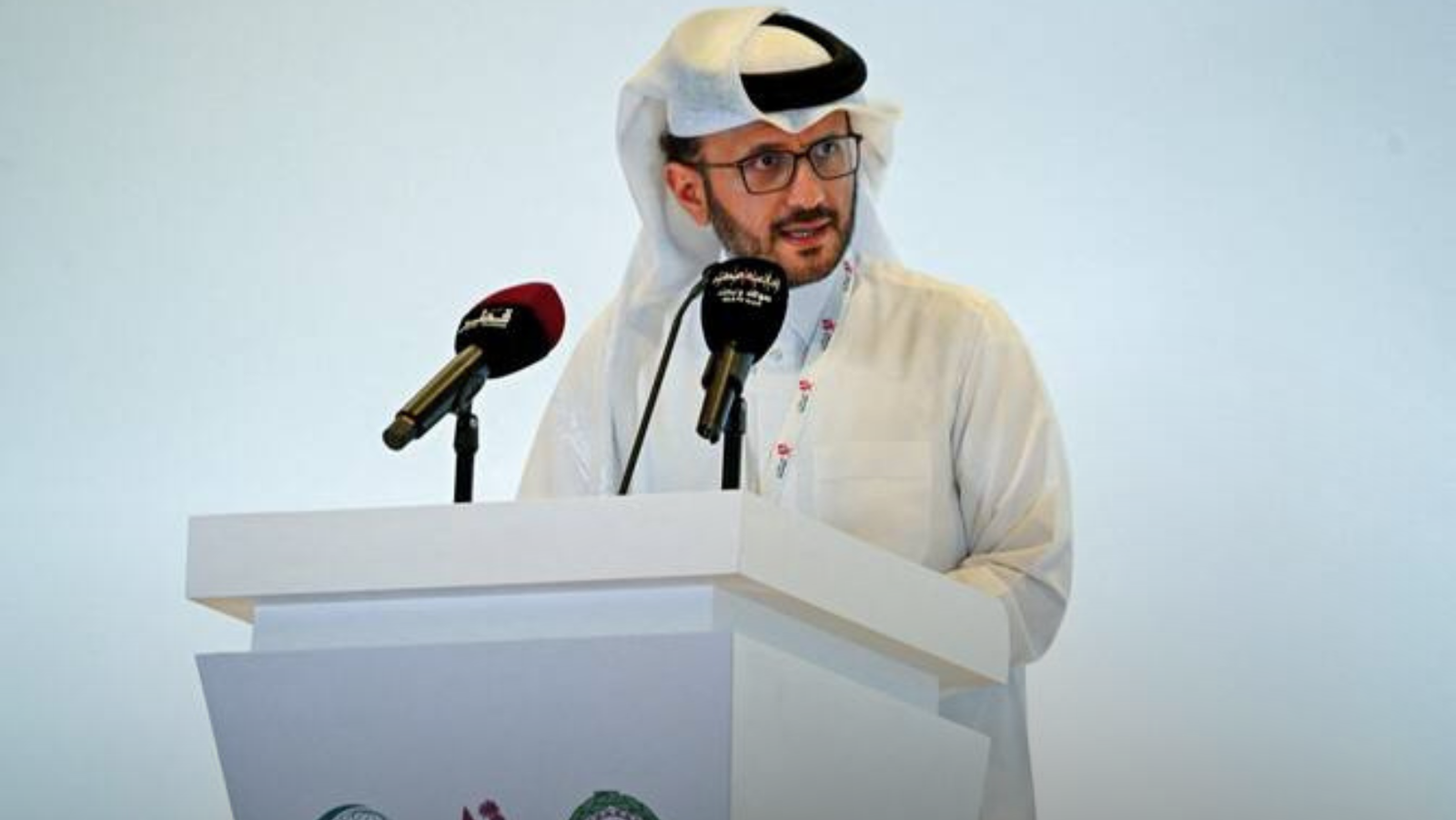
A representative from Qatar’s Ministry of Foreign Affairs emphasized that the country is encouraging communication channels but is not directly mediating between the US and Iran.
Qatar emphasized that it is encouraging both sides to communicate and explore peaceful options, while clarifying that it is not actively negotiating on behalf of either government.
Regional Security Under Scrutiny
The ongoing situation in the Middle East has raised significant concerns over both local security and international energy stability. Critical maritime routes used for oil transportation face potential disruptions, which could have immediate consequences for global markets. Countries dependent on Middle Eastern energy supplies are closely monitoring the situation to anticipate any impact on their economies.
Security analysts note that even temporary instability in key regions can have far-reaching consequences. Hassan Al-Mufti, a Middle East analyst, said, “Interruptions in essential transport routes could ripple through global energy markets. Encouraging dialogue and reducing tensions are necessary to avoid wider disruption.”
Economic Impact and Energy Markets
The announcement from Qatar comes at a time of heightened volatility in global energy markets. Oil and gas prices have been fluctuating due to uncertainty surrounding supply continuity. European gas markets, in particular, have responded sharply to news of potential supply risks, while crude oil prices have remained sensitive to geopolitical developments.
Energy price increases can influence broader economic indicators. Rising transportation and production costs may lead to higher inflation, impact corporate planning, and affect household budgets. Central banks must balance the need to maintain economic stability while responding to price pressures.
Leila Haddad, an economist based in Doha, noted, “Ensuring steady energy supplies from the region is critical for global economic confidence. Even short-term disruptions can affect multiple sectors and investor sentiment.”
Qatar’s Neutral Stance
Qatar has a long-standing reputation for maintaining neutrality in regional conflicts and promoting dialogue without taking sides. By publicly supporting negotiation efforts while avoiding direct mediation, Doha reinforces its commitment to peaceful conflict resolution.
Political observers note that indirect support for diplomatic initiatives can help create an environment conducive to negotiation. Rami Nasser, a political consultant, said, “Highlighting the importance of discussion signals to all parties that peaceful solutions are preferable to conflict, while also reassuring the international community.”
Humanitarian Considerations
The ongoing conflict has significant humanitarian implications. Civilians in affected regions face disruption to essential services, limited access to food and medicine, and the risk of displacement. International organizations continue to call for the protection of non-combatants and adherence to humanitarian standards.
By advocating for diplomacy, Qatar underscores the importance of minimizing civilian suffering. Negotiated solutions can provide both security and relief for communities affected by the conflict.
Global Market Response
International markets are reacting cautiously to news of diplomatic support. Energy companies, traders, and multinational firms are adjusting risk strategies to account for potential supply fluctuations. While investors welcome any move toward dialogue, uncertainty remains about the pace and effectiveness of negotiation.
Jakub Rochlitz, an international market strategist, explained, “Businesses are preparing for short-term volatility while considering long-term opportunities that may arise from diplomatic progress. Planning and risk management are critical during these uncertain times.”
Companies reliant on Middle Eastern energy are also examining alternative supply chains and contingency strategies to protect operations. This approach allows for flexibility and reduces exposure to sudden disruptions.
Wider Economic Implications
The conflict could influence multiple sectors beyond energy. Rising fuel costs affect shipping, manufacturing, and logistics, which may then impact inflation and consumer spending across countries. Economies with heavy reliance on imported energy are especially vulnerable to prolonged instability.
Global trade and supply chains are also at risk. Delays in transport, higher operational costs, and disruptions in production could extend beyond the region, highlighting the interconnected nature of Middle Eastern stability and worldwide economic health.
Future Outlook
Experts predict that the situation will remain sensitive until meaningful progress is achieved in dialogue. Key factors influencing the outcome include:
- The continuation of communication between the US and Iran
- Reactions from neighboring countries and regional powers
- Stability of energy supplies and market adjustments
- Humanitarian developments and international support
While uncertainty persists, Qatar’s public support for diplomatic efforts may encourage other nations to prioritize negotiation over confrontation, potentially contributing to long-term regional stability.
Conclusion
Qatar’s endorsement of diplomatic initiatives highlights the vital role of negotiation in reducing tensions with Iran. By promoting dialogue and peaceful engagement, Doha emphasizes that both regional stability and global energy security are closely linked.
The international community, businesses, and governments continue to monitor the situation closely. Developments in the Middle East have wide-ranging consequences for energy markets, economic planning, and civilian welfare. Qatar’s position demonstrates that diplomacy, strategic engagement, and proactive conflict management are essential tools for minimizing escalation and safeguarding global interests.