
Denmark Early Election Over Greenland Crisis
Denmark Early Election Over Greenland Crisis Shapes Political Future
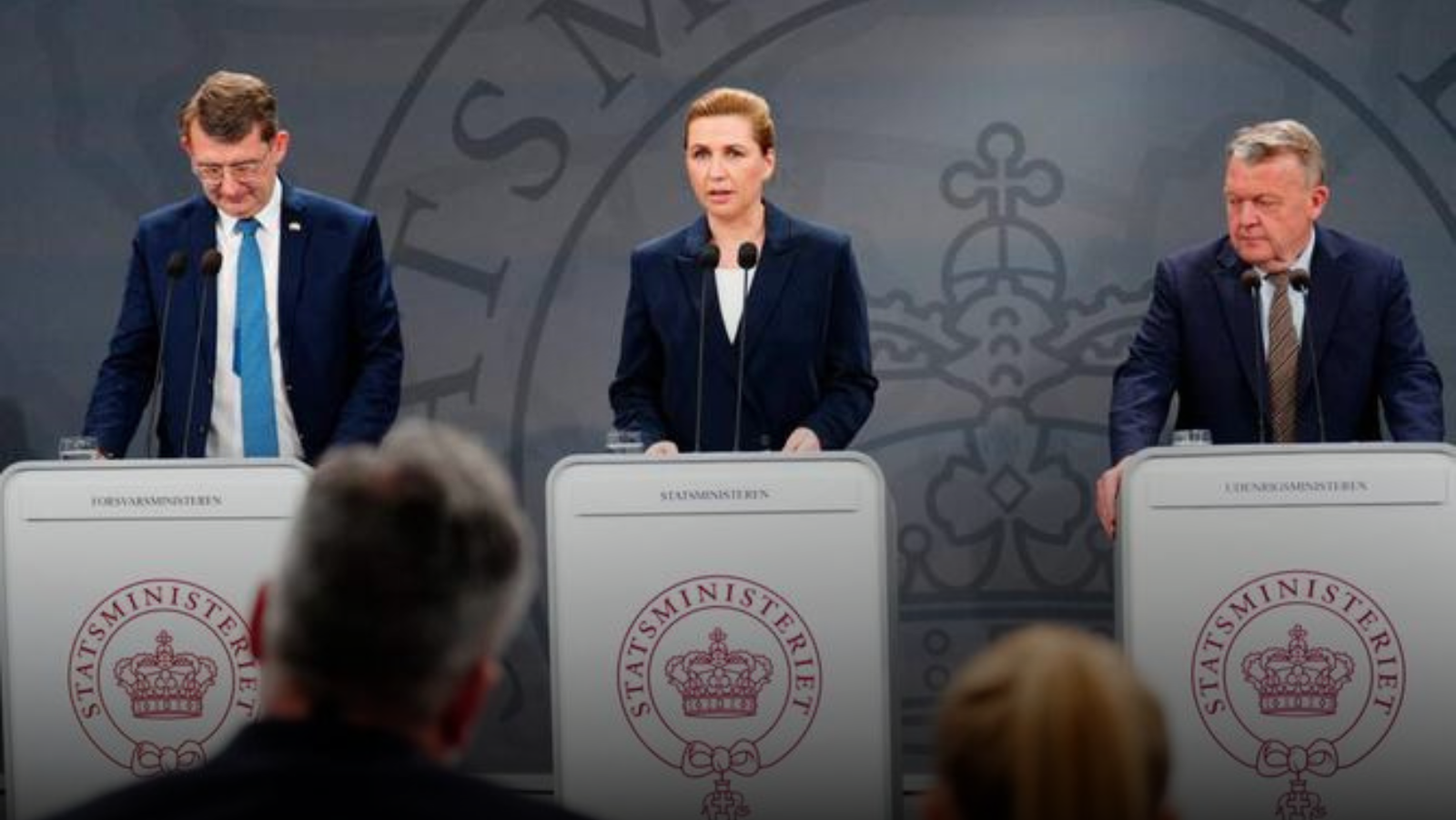
Denmark has entered a decisive political phase as voters head to the polls in an early general election influenced by both domestic concerns and recent geopolitical tensions. The vote, held on March 24, 2026, comes at a time when the country is navigating economic pressures and the aftereffects of a diplomatic dispute involving Greenland. Prime Minister Mette Frederiksen is seeking to secure another term, presenting her leadership during recent challenges as a reason for voters to support continuity.
More than four million eligible voters are participating in the election, which will determine the composition of Denmark’s parliament. The early vote was called ahead of schedule, a move widely seen as an effort to strengthen political positioning during a moment of heightened national attention. However, the outcome remains uncertain, as no single party is expected to gain a majority, making coalition negotiations highly likely.
Key Political Leaders and Election Competition
The election features a competitive political landscape, with multiple parties presenting different visions for the country’s future. Mette Frederiksen leads a center-left agenda focused on welfare, economic management, and security. Despite her experience, her government has faced criticism over rising living costs and public concerns about economic stability.
Among her challengers is Troels Lund Poulsen, representing a center-right approach that emphasizes economic reform and defense priorities. Another significant contender is Alex Vanopslagh, who promotes lower taxes, reduced bureaucracy, and changes in energy policy. The diversity of political positions reflects a fragmented environment, where forming alliances after the election will be essential.
Economic Challenges and Cost of Living Debate
Economic issues have taken center stage during the campaign, with rising living expenses becoming a major concern for voters. Inflation, pensions, and taxation policies have been widely discussed, as citizens look for solutions to maintain financial stability. The government has proposed measures aimed at balancing social support with economic responsibility, but critics argue that more decisive action is needed.
Voters are closely examining how different parties plan to address these challenges. Economic performance is expected to play a key role in shaping the election outcome, as it directly affects daily life and long-term financial security.
Greenland Dispute and International Relations Impact
The recent diplomatic tension surrounding Greenland has also influenced the political environment. The territory holds strategic importance, particularly in the Arctic region, and disagreements over its future raised concerns about sovereignty and international cooperation.
Denmark’s leadership has emphasized the importance of maintaining control over its territories while engaging constructively with global partners. Although the issue has eased in intensity, it remains an important backdrop to the election, shaping perceptions of leadership and national security.
Immigration Policy and National Security Debate
Immigration remains a key issue in Danish politics, with parties offering different approaches to managing border control and asylum policies. Mette Frederiksen has proposed stricter measures aimed at strengthening oversight and maintaining order. These proposals reflect a broader trend in Danish policy, where immigration has been a consistent topic of debate for many years.
Opposition parties have presented alternative strategies, focusing on balancing security with humanitarian considerations. The discussion continues to influence voter decisions, as it connects to broader concerns about social integration and economic impact.
Coalition Government Likely After Election Results
Denmark’s political system is based on proportional representation, which typically results in coalition governments. This means that even after the election, negotiations between parties will be necessary to form a functioning administration.
Both left-leaning and right-leaning blocs are preparing for discussions, while centrist parties are expected to play a crucial role in determining the final outcome. The ability to build consensus will be essential for ensuring stability and effective governance in the coming years.
Role of Smaller Parties and Voter Influence
Smaller political parties are expected to have significant influence in this election. In a closely contested race, even minor shifts in voter support can impact the overall balance of power. These parties often become key partners in coalition governments, giving them an important role in shaping policy decisions.
Voter turnout will also be a critical factor, as public participation determines the direction of the country’s political future. The election provides an opportunity for citizens to express their views on economic issues, security concerns, and international relations.
Future Direction of Denmark’s Political Landscape
The outcome of the election will have far-reaching implications for Denmark’s domestic and international policies. The next government will need to address economic challenges, manage immigration, and maintain strong diplomatic relationships.
The evolving global environment, including Arctic interests and security concerns, adds complexity to political decision-making. Leaders will need to balance national priorities with international responsibilities, ensuring that Denmark remains stable and competitive.
Conclusion: A Defining Election for Denmark’s Future
The Denmark early election over Greenland crisis represents a critical moment in the country’s political journey. With multiple issues shaping the campaign, including economic pressures, immigration debates, and geopolitical tensions, the election outcome remains uncertain.
As voters cast their ballots, the focus is on leadership, stability, and the ability to respond effectively to current challenges. The results will determine the direction of Denmark’s policies and its role on the global stage. With coalition negotiations expected to follow, the coming weeks will be crucial in shaping the country’s future and ensuring a stable and effective government.