Trump Postpones Military Strikes on Iranian Power Plants
Trump Postpones Military Strikes on Iranian Power Plants Amid Rising Tensions
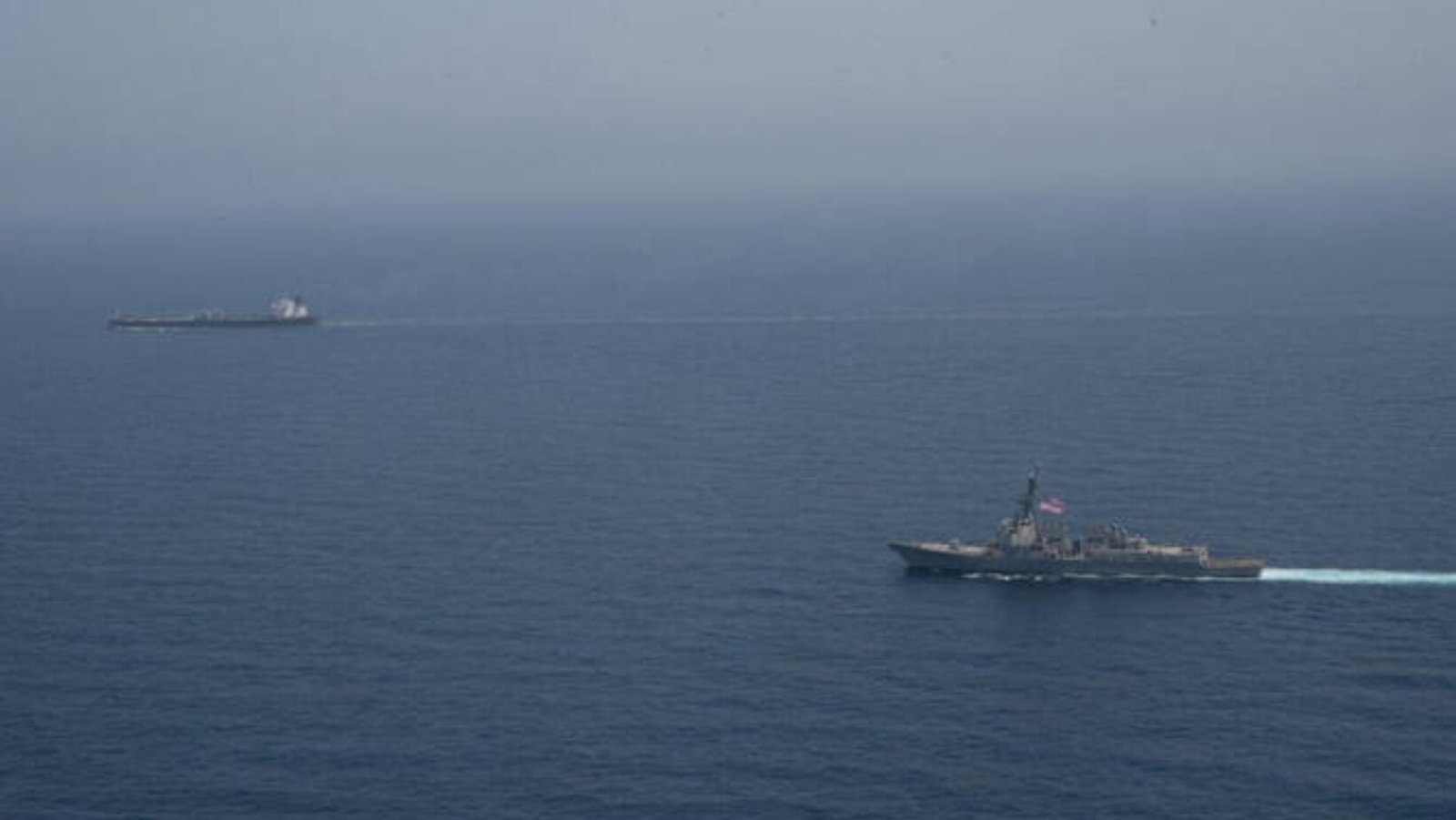
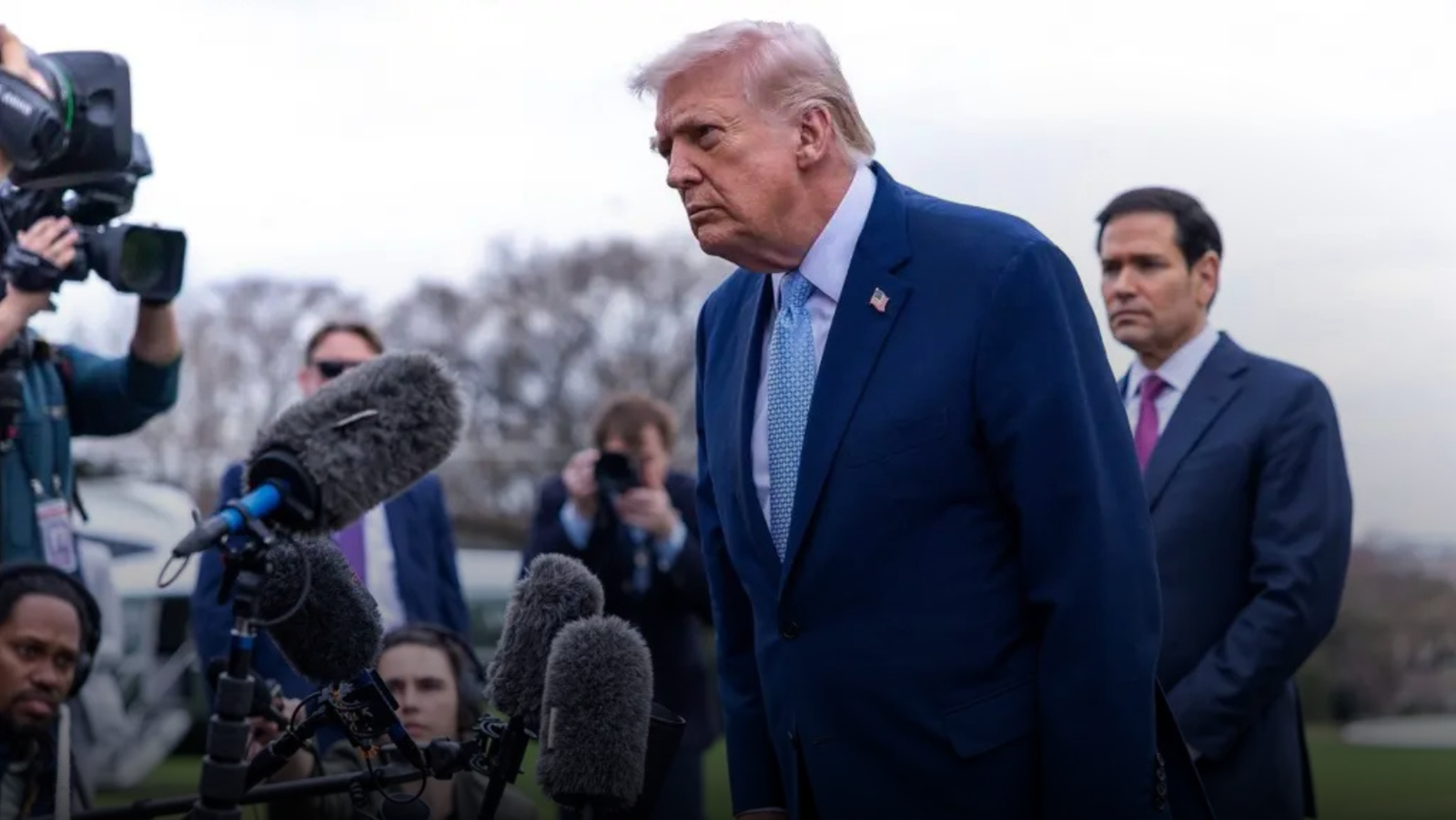
U.S. President Donald Trump announced that he had instructed the Department of War to temporarily postpone all planned military strikes on Iranian power plants. The decision comes amid heightened tensions in the Middle East and limited diplomatic engagement between Washington and Tehran. Iran’s energy infrastructure, including major power plants, is essential for domestic electricity generation and is closely linked to regional energy security. Any attack on these facilities could have far-reaching consequences, disrupting regional stability, international trade, and global energy markets. The postponement reflects a calculated approach, balancing military readiness with a strategic opportunity to pursue diplomatic solutions while reducing immediate risks of escalation.
Reasons Behind the Delay in U.S. Military Action on Iranian Energy Facilities
The postponement of strikes follows weeks of escalating tension between the United States and Iran. Officials had previously warned that aggressive actions by Iran could provoke targeted military responses against energy infrastructure. In response, Iranian authorities emphasized that any attacks on their power plants would be met with proportional retaliation, potentially affecting regional shipping routes and energy exports. President Trump clarified that the delay is intended to allow diplomatic discussions to continue in a structured and measured manner. Analysts suggest that the decision also reflects concern over the consequences of military action, including civilian harm, global energy market disruption, and potential escalation of regional hostilities. Economically, even the threat of strikes had already caused uncertainty in oil and energy markets. The postponement provides temporary stability while signaling that the United States is open to dialogue alongside maintaining military deterrence.
Strategic Importance of Iran’s Power Plants and Regional Stability
Iran’s power plants are vital to both domestic consumption and broader economic operations. Targeting these facilities could trigger regional instability and disrupt international energy supply chains. The Persian Gulf, a critical corridor for global oil transportation, is particularly sensitive to potential conflict. By delaying strikes, the U.S. provides a window for markets to stabilize while maintaining strategic influence in the region. Military experts note that the postponement allows time to reassess risk, explore alternative strategies, and prepare for contingencies. This balanced approach demonstrates a combination of caution and preparedness, ensuring that diplomacy is possible without compromising national security objectives.
Iran’s Response and Regional Reactions
Iran has publicly stated that its energy infrastructure is a cornerstone of national security. Officials warned that any attacks would prompt retaliation targeting foreign military assets in the region. While Tehran acknowledges the temporary pause as an opportunity for dialogue, skepticism remains regarding long-term U.S. intentions. Regional governments and international stakeholders have cautiously welcomed the postponement, urging both sides to continue de-escalation and diplomacy. Stability in the Persian Gulf is essential not only for energy security but also for economic and political balance. The temporary halt signals that both nations are weighing the consequences of escalation and may prefer a controlled approach to avoid broader conflict.
Impact on Global Energy and Oil Markets
The U.S. postponement has immediate implications for global energy markets. Prior to the announcement, the threat of strikes on Iranian power plants contributed to volatility in oil prices and uncertainty among investors. With the delay in action, energy markets have stabilized temporarily, though analysts caution that the situation remains fragile. Should tensions rise again or diplomatic efforts fail, potential attacks on energy infrastructure could disrupt oil supply chains and cause significant price fluctuations. Even a short-term escalation could affect transportation costs, global manufacturing, and energy-dependent industries worldwide. The temporary postponement allows markets to adjust and provides short-term relief to energy stakeholders, though vigilance remains essential.
Possible Scenarios Following the Postponement
Several outcomes may develop following this decision. The first scenario involves productive diplomacy, where discussions lead to agreements that reduce the risk of renewed hostilities and stabilize regional relations. The second scenario is a tactical pause, allowing both sides to reassess conditions, refine strategies, and maintain strategic leverage without escalating conflict. The third scenario is renewed military action if negotiations fail, which could provoke Iranian retaliation and increase regional instability. The outcome will depend on the willingness of both parties to engage in constructive dialogue and manage tensions responsibly, while balancing the need for strategic preparedness.
Strategic Implications for Global Security and Diplomacy
The postponement highlights the complex interplay of military, economic, and diplomatic considerations in international conflict. Iran’s power plants play a central role in regional energy security, and attacks could ripple across markets worldwide. The U.S. decision to delay action mitigates immediate risk while keeping military options open. Regional stability is essential for global trade and energy supply chains, and the ability to navigate conflict through diplomacy reduces the likelihood of unintended consequences. Analysts note that careful balancing of military readiness and negotiation is key to preventing civilian harm and economic disruption while maintaining strategic influence.
Conclusion: Balancing Military Readiness and Diplomacy
President Trump’s decision to postpone military strikes on Iranian power plants represents a critical moment in U.S.–Iran relations. The delay provides an opportunity for diplomacy while maintaining strategic military leverage. By stabilizing energy markets and reducing immediate risks, the postponement signals that the United States prefers a controlled and cautious approach to conflict management. While underlying tensions remain, the pause offers a chance for dialogue that could lead to de-escalation and greater regional stability. Global observers are closely monitoring developments, as the consequences of these decisions extend beyond the Middle East, influencing international energy security, trade, and geopolitical balance for the months ahead.