
Trump warns US retaliation if Iran attacks Qatar
US President’s warning highlights risks to Gulf energy infrastructure
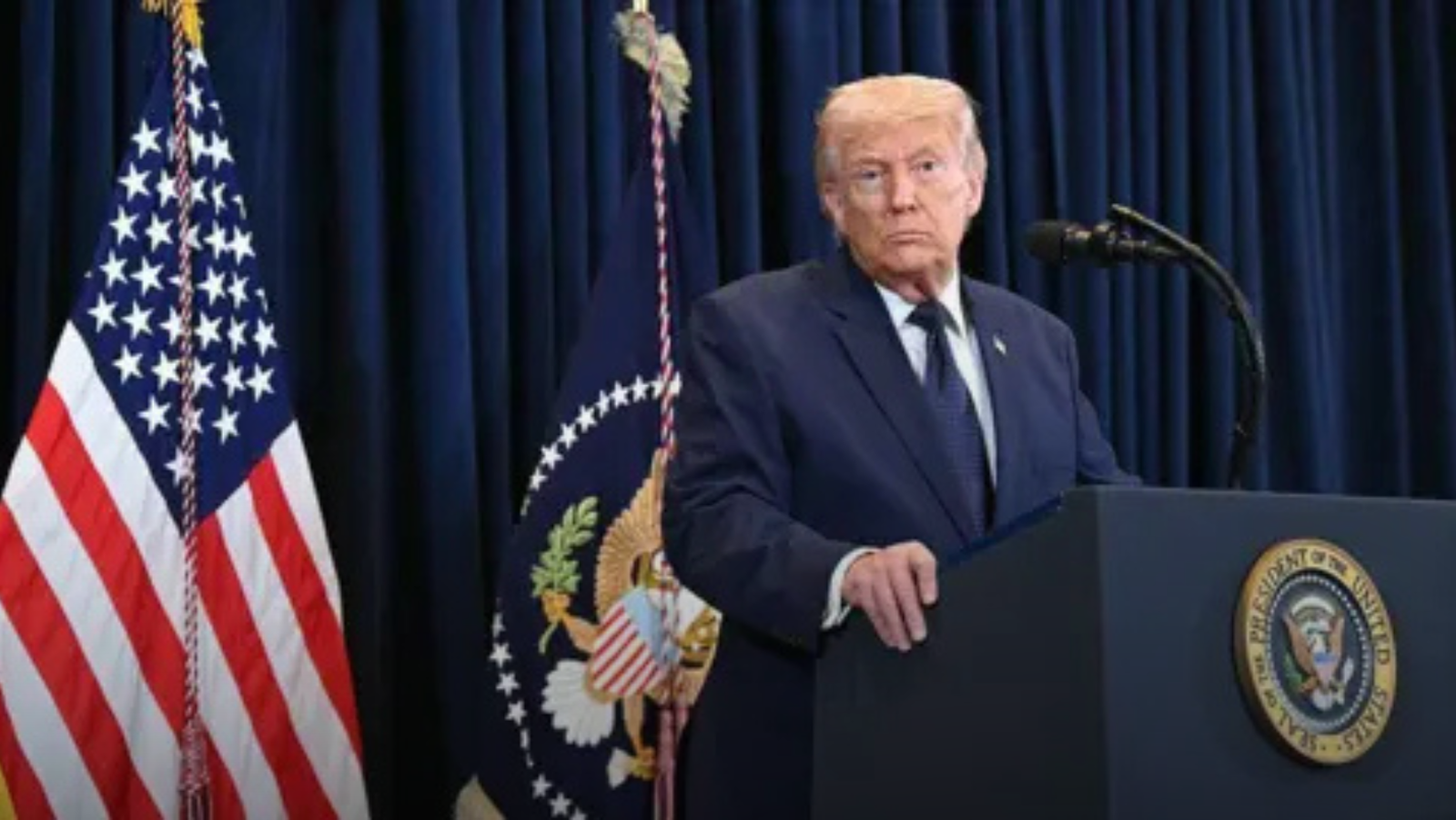
US President Donald Trump issued a forceful warning on Wednesday, signaling that the United States would respond decisively to any further Iranian attacks on Qatar. The warning specifically targets Qatar’s Ras Laffan gas facility, one of the nation’s most important energy installations. The president’s announcement underscores both the strategic significance of Qatar’s energy infrastructure and the broader geopolitical stakes in the Gulf region.
Trump emphasized that attacks on Qatar’s facilities would trigger a substantial US military response, potentially including Iran’s South Pars gas field, a critical energy resource shared with Qatar. His statement reflects heightened concerns over the security of the Gulf’s natural gas production and the potential global impact of disruptions to energy supplies.
Background of the Gulf escalation and regional tensions
The warning comes after reports that Israel struck Iran’s South Pars gas field, an action reportedly unknown to the United States prior to the strike. Following this, Iran retaliated by targeting Qatar’s Ras Laffan gas plant. While the attack did not cause catastrophic damage, it heightened tensions in an already sensitive region, prompting international concern about the potential for further escalation.
The South Pars field is one of the world’s largest natural gas reserves and is crucial for Iran’s economy. Any attack or damage to this site could have immediate consequences for global energy markets. President Trump’s public warning is a strategic move to deter Iran from any additional attacks, emphasizing that the United States will act independently if necessary to protect Qatar and regional stability.
Strategic importance of Qatar’s gas facilities
Qatar’s Ras Laffan facility is central to the nation’s energy production and export strategy. It supplies liquefied natural gas (LNG) to multiple global markets, including Europe and Asia. The facility’s security is vital not only to Qatar’s economy but also to international energy supply chains. Disruptions could lead to significant price volatility and shortages in energy markets worldwide.
Trump’s warning sends a clear message that the United States prioritizes the protection of allied energy infrastructure. Gulf Cooperation Council (GCC) nations closely monitor these developments, recognizing the potential consequences for regional security and global economic stability.
Implications for US foreign policy and regional security
The announcement reflects a broader US strategy to maintain influence and stability in the Gulf region. By publicly committing to a strong response, Trump reinforces the United States’ role as a key security guarantor for its allies. This approach aims to prevent Iran from considering additional aggressive actions and to ensure the uninterrupted flow of energy resources from the region.
Experts note that the US presence in the Gulf, combined with military and diplomatic initiatives, serves as a deterrent against hostile actions. Trump’s warning highlights the delicate balance between demonstrating strength and encouraging diplomatic engagement to prevent further escalation.
Trump’s deterrence strategy and message to Iran
President Trump was unequivocal in his warning. He stated that no further attacks on Qatar would be tolerated and that the United States was prepared to take unprecedented action against Iran’s South Pars gas field if provoked. The language of the statement underscores a deliberate strategy of deterrence, aiming to prevent future aggression through the threat of overwhelming retaliation.
Analysts explain that such a message serves both tactical and psychological purposes. It signals to Iran that any attempt to target Gulf energy facilities will result in a decisive and potentially catastrophic response. At the same time, it reassures Qatar and other allies that the US will actively protect regional security interests.
Regional and international reactions to the US warning
Gulf nations have expressed cautious support for the United States’ position, recognizing the importance of preventing further escalation. Officials in the region stress that energy security is paramount, and that continued aggression by Iran could destabilize both local and global markets.
The warning also draws attention from international energy analysts, who highlight the potential impact on global LNG supplies if conflicts escalate. Disruptions to Qatar’s production or Iran’s South Pars field would have wide-ranging economic implications, particularly for nations dependent on imported natural gas.
Possible consequences of military retaliation
A US retaliation against Iran’s South Pars gas field would carry serious consequences. In the short term, it could disrupt gas exports, creating ripple effects in global energy markets. Diplomatic tensions could also intensify, as other regional and international actors respond to military action.
However, proponents argue that a firm response is necessary to prevent further Iranian aggression. Maintaining credibility in protecting Gulf allies and energy infrastructure is seen as critical to long-term regional stability. By issuing a public warning, the United States seeks to mitigate the risk of ongoing attacks while avoiding immediate escalation.
Diplomacy and conflict prevention efforts
While Trump’s warning underscores the potential for military action, officials stress that diplomatic channels remain open. The United States continues to consult with Gulf allies to explore strategies for de-escalation and conflict prevention.
Experts note that a combination of diplomacy and deterrence is essential for maintaining stability. Engaging Iran through dialogue while signaling readiness to act if necessary aims to reduce the likelihood of further attacks. Cooperation among international partners, including Gulf nations, is key to sustaining peace in a volatile region.
Future stability in the Gulf depends on restraint and cooperation
President Trump’s statement makes clear that attacks on Qatar’s energy facilities will not go unanswered. The focus on South Pars highlights the strategic stakes involved, as well as the interconnected nature of Gulf security and global energy markets.
Ensuring stability in the region requires careful management of military, economic, and diplomatic tools. Gulf nations, supported by the United States, must exercise restraint while pursuing collaborative solutions to prevent escalation. The continued safety of Qatar’s energy infrastructure is central to maintaining confidence in regional security and the global energy supply.
As tensions persist, the international community remains alert to developments in the Gulf. The balance between deterrence, diplomacy, and energy security will shape the region’s future, emphasizing the importance of proactive engagement and strategic foresight. President Trump’s warning serves as both a clear deterrent to Iran and a reaffirmation of the United States’ commitment to regional stability.
Unquestionably believe that which you stated. Your favorite justification appeared to be on the internet the simplest thing to be aware of. I say to you, I certainly get annoyed while people think about worries that they just do not know about. You managed to hit the nail upon the top and defined out the whole thing without having side-effects , people can take a signal. Will likely be back to get more. Thanks
fantastic post, very informative. I wonder why the other specialists of this sector do not realize this. You should continue your writing. I’m sure, you’ve a great readers’ base already!