
Iran Qatar LNG Attack Escalation Raises Global Energy Concerns
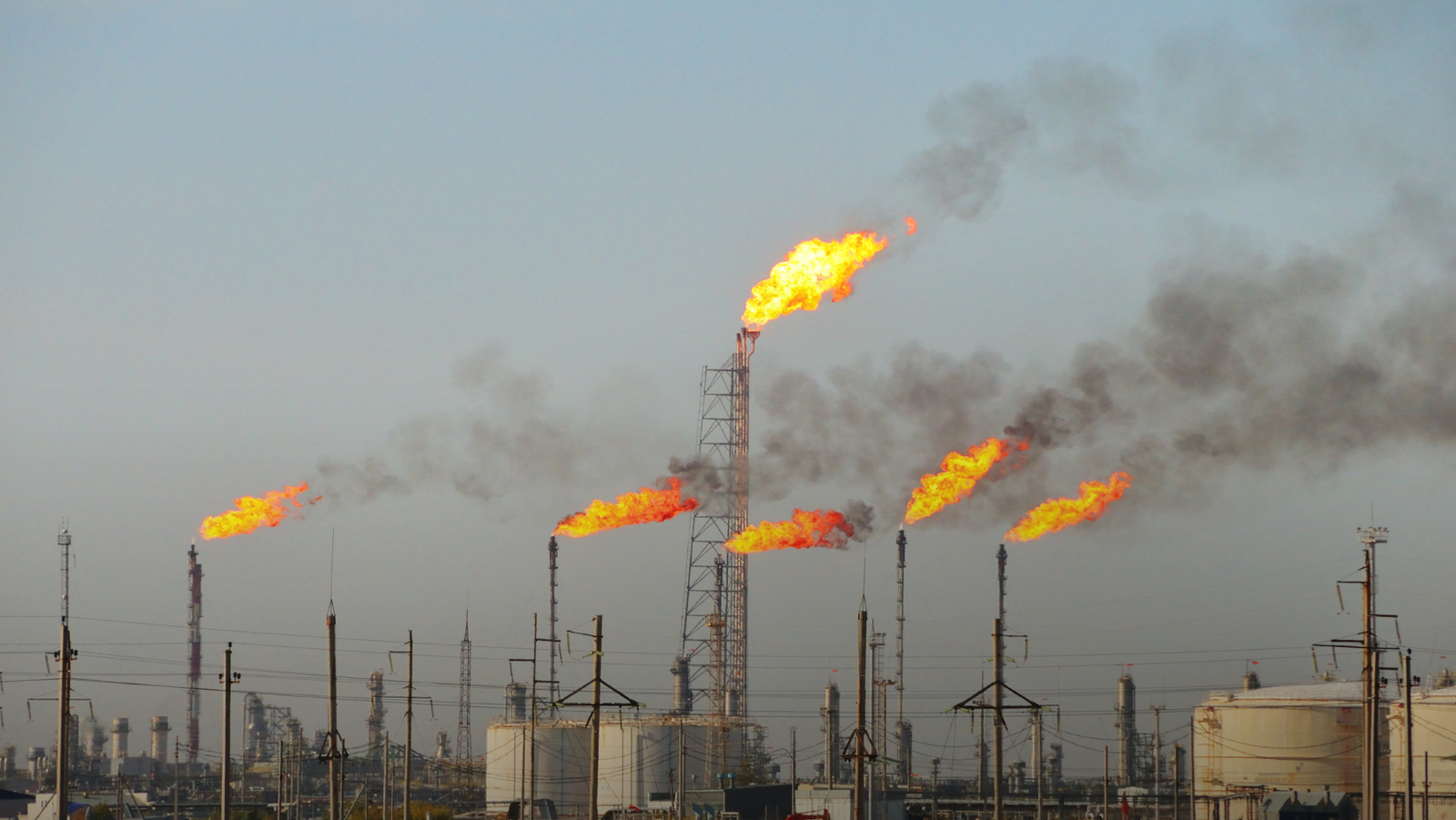
Iran Qatar LNG attack escalation damages Ras Laffan energy hub
Iran’s missile attacks have caused extensive damage to Ras Laffan Industrial City in Qatar, one of the world’s most critical liquefied natural gas (LNG) production centers. The strike prompted QatarEnergy to deploy its emergency response team to control fires and secure facilities.
While all personnel were accounted for and no casualties reported, the incident disrupted operations at multiple LNG plants, including the Pearl gas-to-liquids facility. Ras Laffan hosts several international companies, including Shell, which has investments in both active and planned LNG facilities. Analysts warn that the destruction could have immediate effects on regional energy production.
Iran Qatar LNG attack escalation threatens global gas supply stability
The attack comes at a sensitive time for the global energy market. Qatar produces 77 million metric tons of LNG annually, making it the world’s second-largest exporter. Disruptions at Ras Laffan could create temporary shortages in LNG supply to Europe, Asia, and other key markets.
Even small-scale production delays could trigger price fluctuations. Traders are monitoring the situation closely, as the Gulf region supplies a significant portion of the world’s energy demand. The attack highlights the vulnerability of major energy hubs to regional conflicts.
Iran Qatar LNG attack escalation impacts Shell and international operations
Shell has begun evaluating the potential impact on its 30% stake in a 7.8 million-metric-tons-a-year LNG facility at Ras Laffan. The company also operates the Pearl gas-to-liquids plant, which processes up to 1.6 billion cubic feet per day of wellhead gas.
The damage to infrastructure and fires triggered by the missile strikes may affect both current output and future LNG projects. International energy companies operating in Qatar now face operational and financial uncertainties, adding pressure on regional energy markets.
Iran Qatar LNG attack escalation draws strong US response
Donald Trump issued a stern warning, stating that repeated attacks on Qatari LNG facilities could provoke severe retaliation. He specifically threatened Iran’s South Pars gas field, signaling high-stakes geopolitical involvement.
The US response emphasizes the strategic importance of the Gulf’s energy infrastructure. Any disruption could trigger not only economic consequences but also escalate military tensions in the region.
Iran Qatar LNG attack escalation prompts Qatar diplomatic action
In response, Qatar expelled Iranian military and security attachés within 24 hours, declaring them persona non grata. Officials condemned the missile strikes as a direct threat to Qatar’s national security.
This diplomatic move demonstrates Qatar’s intent to respond firmly to external threats while safeguarding critical energy assets. The action also underscores the fragility of Gulf relations amid ongoing regional tensions.
Iran Qatar LNG attack escalation coincides with UAE gas facility shutdowns
The Gulf-wide impact extends to the United Arab Emirates, where debris from intercepted missiles prompted temporary shutdowns at the Habshan gas complex and the Bab oil field. Both are key processing sites operated by ADNOC, one of the world’s largest gas producers with a capacity of 6.1 billion standard cubic feet per day.
While no injuries were reported, the incident disrupted normal operations. It also highlights the interconnectedness of Gulf energy infrastructure, where attacks in one country can directly affect neighboring states.
Iran Qatar LNG attack escalation heightens global energy security concerns
Energy analysts warn that repeated strikes on critical infrastructure could have long-term consequences for global markets. LNG supply interruptions may lead to higher energy costs, impacting industries and households worldwide.
The Gulf region plays a central role in ensuring energy security. Even temporary operational disruptions can ripple through international trade, affecting both energy-importing countries and global economic stability.
Iran Qatar LNG attack escalation and potential market implications
Market volatility is expected as traders factor in risks from the attacks. Prices for LNG could surge if production at Ras Laffan and other Gulf hubs is slowed. Countries heavily dependent on Gulf gas may seek alternative supply routes or increase imports from other regions.
Shipping companies may also face higher insurance costs and routing challenges due to security concerns. Analysts suggest that energy markets are likely to remain sensitive until the situation stabilizes.
Iran Qatar LNG attack escalation highlights strategic leverage in Gulf
The missile strikes underscore how energy infrastructure serves as both an economic and geopolitical tool. Iran’s actions signal the potential for using control over critical maritime and energy assets as leverage in regional disputes.
Observers note that energy hubs like Ras Laffan are not just production sites—they are strategic assets whose security is vital to global energy stability. This incident reinforces the need for protective measures and coordinated regional security.
Iran Qatar LNG attack escalation future outlook and risk management
The coming days will be critical in determining whether further attacks occur. Governments, energy companies, and market analysts are closely monitoring developments to mitigate risks.
Future stability will depend on regional diplomacy, strategic risk management, and continuous protection of vital energy infrastructure. Stakeholders are urging restraint to prevent further escalation and to secure the global LNG supply chain.

I am glad to be one of the visitors on this great website (:, regards for posting.