Arab and Islamic ministers urge Iran to halt attacks, Warn Future Relations at Risk
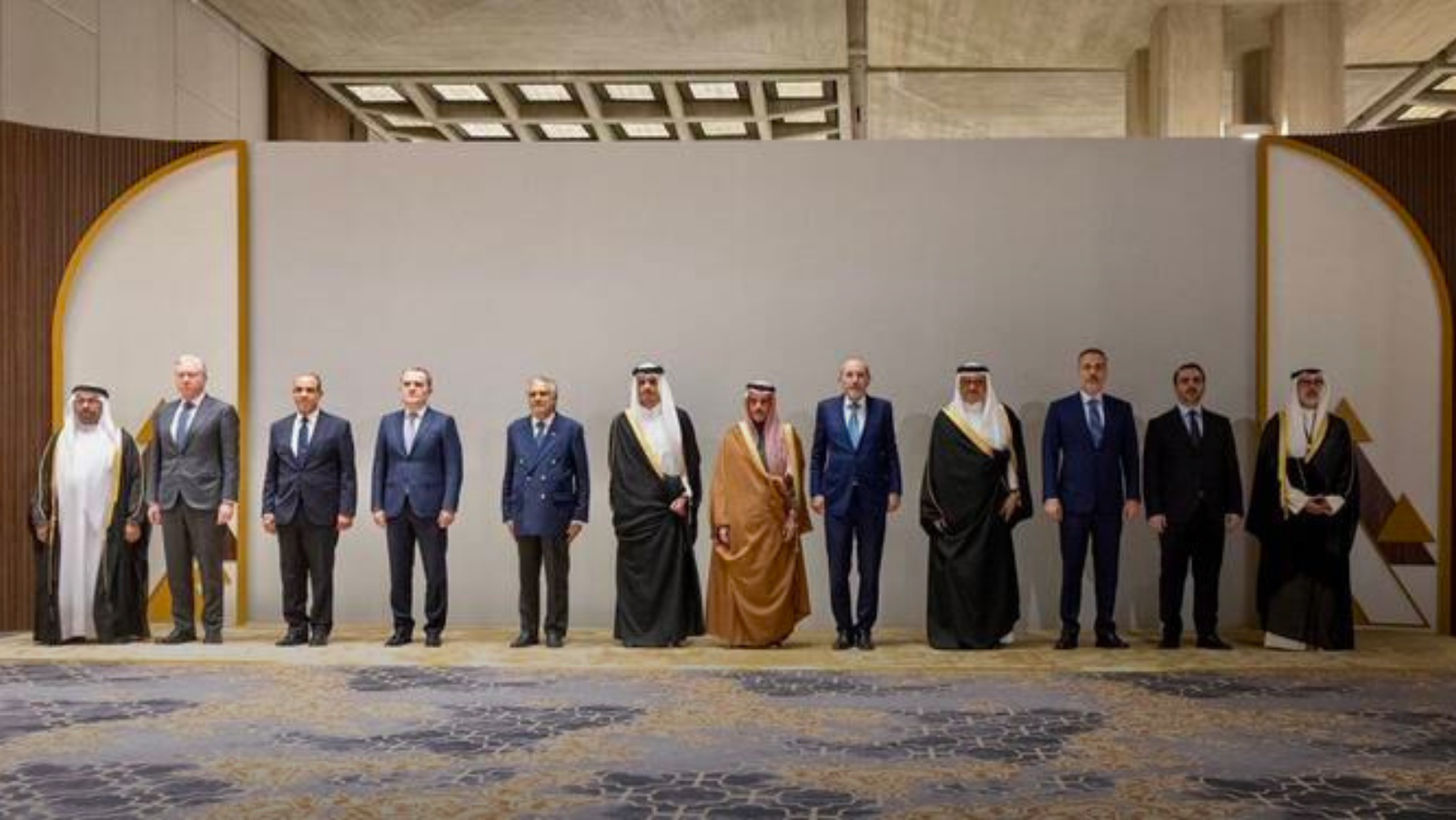
Middle Eastern Diplomats Unite Over Iranian Aggression
Foreign ministers from key Arab and Islamic nations have jointly called on Iran to immediately halt its military actions across the region. During a consultative meeting in Riyadh, officials emphasized that the future of diplomatic and economic ties with Tehran will depend on its willingness to respect the sovereignty of neighboring countries and refrain from interference in internal affairs.
The meeting included representatives from Azerbaijan, Bahrain, Egypt, Jordan, Kuwait, Lebanon, Pakistan, Qatar, Saudi Arabia, Syria, Türkiye, and the United Arab Emirates. Leaders gathered to coordinate regional security efforts amid rising tensions stemming from missile and drone attacks reportedly supported or orchestrated by Iran.
Ministers Highlight Regional Security Threats
In a coordinated statement released after the session, the ministers expressed serious concern over Iran’s continued hostile activities, both directly and through allied groups. They warned that such actions undermine the prospects for diplomacy and pose a substantial threat to regional stability.
The ministers condemned targeted attacks on civilian infrastructure, including energy facilities, desalination plants, airports, residential areas, and diplomatic compounds across Gulf nations. They stressed that these actions cannot be justified under any circumstances and affirmed the affected states’ right to defend themselves in accordance with Article 51 of the United Nations Charter.
Urgent Call for De-escalation and Compliance
Officials urged Iran to immediately reduce tensions and comply with international law, including humanitarian standards and principles of good neighborliness. Such measures are considered vital for rebuilding trust and promoting diplomatic solutions in the Middle East.
The statement also referenced UN Security Council Resolution 2817, which calls for the immediate cessation of attacks and prohibits support, financing, or arming of militias in Arab countries. Groups such as the Houthi movement in Yemen and Hezbollah in Lebanon were specifically mentioned as entities allegedly supported by Tehran, which contribute to ongoing regional instability.
Protecting Maritime Security and Global Trade
The ministers warned Iran against threatening key international shipping routes. They emphasized that actions disrupting navigation through the Strait of Hormuz and the Bab el-Mandeb could have severe consequences for global trade and energy security.
These critical maritime chokepoints serve as conduits for a substantial portion of the world’s oil and gas supply, making their protection a priority not only for regional states but also for international economic stability.
Supporting Lebanon’s Sovereignty and Stability
The meeting also focused on Lebanon, with ministers reaffirming their support for the country’s sovereignty, stability, and territorial integrity. They praised the Lebanese government’s efforts to maintain control over weapons within state authority, emphasizing the importance of state oversight in maintaining peace and preventing escalation.
Additionally, the ministers criticized Israeli military actions in Lebanon, calling for balanced approaches that protect civilians while addressing security threats. This dual focus underscores the ministers’ commitment to promoting stability across the broader region.
Strengthening Coordination Among Arab and Islamic Nations
The officials pledged ongoing collaboration to monitor developments and respond collectively to threats. They committed to developing unified policies and taking any legitimate measures necessary to safeguard their nations’ security and sovereignty.
This collective approach aims to create a deterrent against further aggression and ensures that diplomatic engagement is supported by regional consensus. By acting together, Arab and Islamic states hope to present a strong front that promotes stability while reducing the likelihood of unilateral escalation.
Iran’s Regional Influence Under Scrutiny
The Riyadh meeting highlighted concerns about Iran’s regional strategy, particularly its support for proxy groups and militias. Diplomats noted that Tehran’s actions have intensified conflicts, posing risks to civilian infrastructure and increasing the potential for wider confrontation with neighboring countries.
The ministers stressed that adherence to international norms is essential to prevent destabilization. Iran’s influence in regional conflicts, they noted, must be balanced with accountability to international law to safeguard both security and economic stability.
Upholding International Law and Security Norms
The ministers underlined that all nations must respect international law, particularly regarding sovereignty, non-interference, and civilian protection. By reaffirming the legitimacy of self-defense under UN principles, the statement conveys that while diplomacy is preferred, defensive measures are justified if attacks persist.
They also stressed that compliance with UN resolutions is critical to restoring stability, emphasizing that regional security policies should be guided by universally recognized rules and obligations.
Humanitarian and Political Implications
Beyond security, the ministers highlighted the humanitarian impact of ongoing attacks. Civilian lives, housing, infrastructure, and regional economies are all affected by the escalation. Ministers called for security measures to be balanced with humanitarian considerations to reduce civilian suffering.
Politically, the coordinated statement delivers a clear message: Tehran’s actions will directly influence future diplomatic and economic engagement. By linking regional relations with compliance, Arab and Islamic nations are setting clear expectations for behavior and accountability.
Ensuring Regional Unity and Stability
The Riyadh meeting demonstrated the importance of unity among Arab and Islamic states in addressing shared security challenges. Officials reaffirmed their commitment to protecting sovereignty, adhering to international law, and pursuing diplomatic solutions where possible.
Experts suggest that sustained regional cooperation will be crucial to maintaining security, monitoring Iran’s actions, and preventing further escalation. The ministers’ statement serves both as a warning and a framework for stabilizing the Middle East.
Diplomacy as the Preferred Path Forward
While the ministers issued strong warnings to Tehran, they emphasized diplomacy as the primary tool for resolving tensions. Coordinated monitoring of proxy activities, engagement through multilateral channels, and preventive measures are intended to maintain peace while protecting civilian populations.
The meeting highlighted the growing influence of Arab and Islamic states in regional security matters and their proactive approach in addressing threats while prioritizing collaboration and lawful conduct.
Future Relations Depend on Iran’s Actions
In closing, ministers called on Iran to immediately halt its attacks and respect the sovereignty of its neighbors. They stressed that the continuation of aggressive actions would force affected nations to take necessary steps to ensure their security, while constructive behavior could preserve the opportunity for renewed dialogue and stable relations.