
Trump Slams NATO Over Iran Conflict Amid Growing Tensions in the Middle East
WASHINGTON, March 18, 2026 – U.S. President Donald Trump sharply criticized NATO on Tuesday, calling the alliance’s refusal to provide direct support in the ongoing military operations against Iran a “very foolish mistake.” The president’s comments, made during a press briefing with visiting Irish Prime Minister Micheál Martin, highlight rising tensions between Washington and its European allies as the U.S.-Israeli campaign in the Middle East enters its third week.
Trump explained that most NATO members had informed the United States that they did not wish to become directly involved in the Iran conflict. While he acknowledged that allies generally supported the goals of the operation, he expressed frustration at their unwillingness to contribute troops, naval assets, or logistical assistance. Trump expressed frustration with NATO, calling their hesitation a major error, and added that although the allies agreed with the U.S. goals, they declined to provide help. He added that the United States must take note of this stance, emphasizing how surprising and unexpected it is.
This public rebuke comes amid longstanding concerns over burden-sharing within NATO. Historically, Trump has repeatedly criticized the alliance for relying too heavily on U.S. military strength while contributing insufficiently to collective defense efforts. This latest dispute, however, centers on an ongoing U.S.-Israeli offensive against Iran, in which the United States is seeking allied participation to stabilize key regional chokepoints, particularly the Strait of Hormuz.
Strait of Hormuz and Strategic Implications
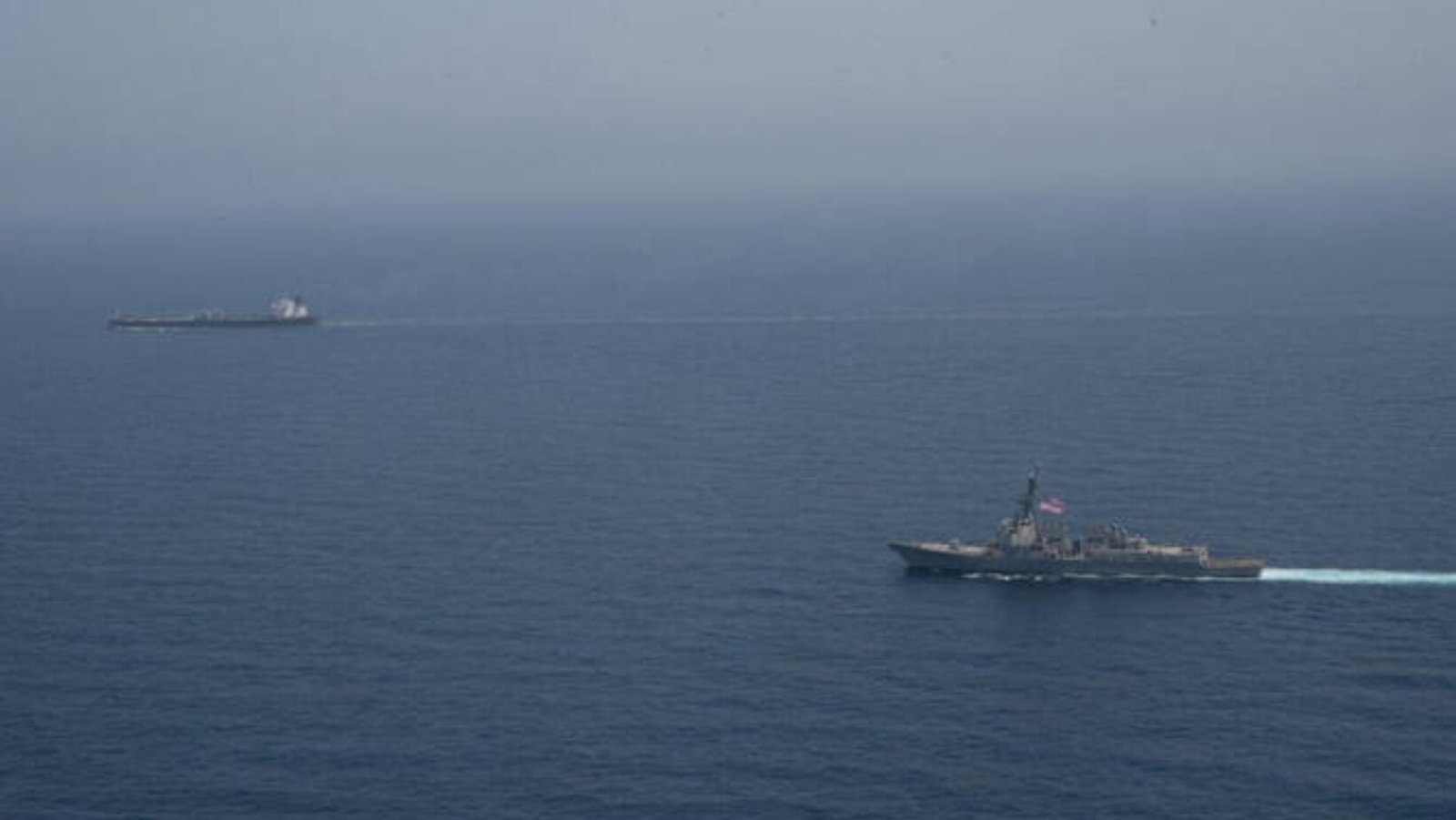
The Strait of Hormuz, a narrow maritime passage connecting the Persian Gulf to the Gulf of Oman, is of vital global importance. Approximately 20 percent of the world’s oil supply passes through the strait, and Iran’s recent use of drones, missiles, and naval mines has temporarily disrupted tanker traffic. President Trump emphasized that NATO assistance could help reopen this critical trade route and reduce the risk of global energy instability.
Despite the president’s appeal, European capitals have shown caution. Germany, France, and the United Kingdom have signaled reluctance to commit naval or military assets to the conflict, citing the risks of direct engagement in a volatile regional war. Officials have stressed the need for diplomatic solutions alongside defensive measures rather than offensive operations. These positions underscore the growing divide between the U.S. approach, which emphasizes rapid military action, and European caution, which prioritizes long-term regional stability.
Trump’s Unilateral Messaging
While expressing disappointment at NATO’s stance, Trump simultaneously suggested that the United States does not necessarily require allied intervention. Through Truth Social, the president emphasized that the United States no longer required NATO’s support because of its own military achievements. He singled out Japan, Australia, and South Korea, underlining America’s superior defense capabilities.
Analysts note that this dual messaging — publicly rebuking allies while asserting U.S. self-reliance — serves multiple purposes. Domestically, it reinforces Trump’s image as a strong leader capable of unilateral action, while internationally it pressures NATO members to reconsider their position without committing to direct confrontation. However, some experts warn that such rhetoric may strain transatlantic relationships and complicate future cooperation on broader security issues.
NATO’s Position and Collective Defense Limits
NATO, founded in 1949 as a collective defense alliance, has traditionally focused on defending member states rather than engaging in offensive operations beyond Europe. The refusal of allies to participate in the Iran operation reflects adherence to the alliance’s defensive mandate and a cautious approach to conflicts outside the North Atlantic area. Many NATO members support U.S. objectives in principle but prefer non-combat roles, such as logistical support, intelligence sharing, or diplomatic coordination.
European governments have also voiced concerns about escalation. Deploying military forces into an active conflict with Iran could potentially broaden hostilities, draw in additional regional actors, and risk casualties. Consequently, NATO leaders are treading carefully, balancing alliance solidarity with the strategic imperative to avoid direct involvement in an expanding war.
Domestic and Global Reactions
Trump’s remarks have elicited varied responses both in the United States and internationally. Domestically, some political commentators applauded the president’s firm stance, arguing that NATO’s hesitation exposes weaknesses in allied commitment to U.S. initiatives. Others criticized the comments as unnecessarily provocative, warning that public rebukes of long-standing allies could erode trust and diplomatic cohesion at a critical time.
Globally, analysts note that Trump’s statements could influence perceptions of NATO’s relevance and the U.S. role in Middle Eastern security. Countries in the Gulf region, including Saudi Arabia, the United Arab Emirates, and Oman, are closely monitoring the situation, concerned about the potential for prolonged disruption in oil markets and regional trade. Meanwhile, Iran has continued retaliatory strikes, targeting maritime routes and strategic infrastructure, further complicating efforts to stabilize the region.
Implications for NATO and Future Engagements
The dispute over involvement in Iran highlights underlying tensions within NATO regarding burden-sharing and the scope of collective defense. For years, U.S. administrations have urged European allies to increase military contributions and take a more active role in global security. Trump’s criticism underscores that these issues remain unresolved, particularly in crises outside the alliance’s traditional geographic focus.
Moving forward, NATO faces a challenging balancing act. Leaders must maintain unity and credibility while respecting the preferences and limitations of member states. The president’s emphasis on rapid action differs significantly from European caution, suggesting potential challenges for collaboration in upcoming conflicts.
Conclusion
President Trump’s sharp rebuke of NATO over its refusal to assist in the Iran conflict reflects both long-standing tensions over alliance obligations and the immediate pressures of an escalating regional crisis. By calling NATO’s stance a “very foolish mistake,” Trump has publicly highlighted divisions between the United States and its European allies, while simultaneously asserting U.S. military self-sufficiency.
As the conflict continues and Iran maintains its strategic pressure on the Strait of Hormuz, the need for coherent international coordination has become more urgent. Whether NATO’s cautious approach proves prudent or detrimental remains to be seen, but Trump’s comments have undeniably intensified debate over the alliance’s role in global security and the United States’ ability to act unilaterally in critical conflicts.
The coming weeks are likely to test NATO’s cohesion, U.S.-European relations, and the broader international community’s capacity to manage tensions in the Middle East without escalation. For now, Trump’s statements serve as a stark reminder that disagreements within alliances can have real-world consequences, not just for diplomatic relations but for global stability and energy security.

Hi my friend! I wish to say that this post is awesome, nice written and include approximately all significant infos. I would like to see more posts like this.